
Teeth Whitening Safety: How to Achieve a Brighter Smile Without Risks
- Understanding Teeth Whitening Risks
- Safe Ways to Whiten Teeth at Home
- Professional Teeth Whitening Options
- How to Choose Safe Whitening Products
- Real-Life Experiences and Cases
- Get Expert Recommendations
1. Understanding Teeth Whitening Risks
Teeth whitening has become a popular cosmetic treatment, but it’s essential to understand the risks involved. While whitening products are generally safe when used correctly, improper use can lead to adverse effects. These risks include tooth sensitivity, gum irritation, and enamel damage. It’s important to choose safe whitening methods and follow the instructions carefully to minimize these risks.
How Whitening Products Work
Most whitening products contain hydrogen peroxide or carbamide peroxide, which break down the stains on your teeth. When used excessively or incorrectly, these chemicals can cause irritation to your gums or damage to your enamel, leading to long-term dental issues.
2. Safe Ways to Whiten Teeth at Home
Whitening your teeth at home is convenient and affordable, but safety should always be a priority. Here are some effective and safe methods for whitening your teeth:
- Whitening Toothpaste: A great first step for gentle whitening. These contain mild abrasives that help remove surface stains.
- Whitening Strips: Over-the-counter strips with a peroxide base can be effective but should be used as per instructions to avoid sensitivity.
- Natural Whitening Remedies: Ingredients like baking soda and activated charcoal may provide minimal whitening benefits but should be used cautiously to avoid damage.
Important Tips for Home Teeth Whitening
It’s essential to follow product instructions carefully and avoid overuse. Over-the-counter whitening products should only be used for the recommended duration to prevent damaging your teeth and gums.
3. Professional Teeth Whitening Options
If you’re looking for more effective results, professional teeth whitening performed by a dentist can be a great option. Dentists use stronger bleaching agents than those available over-the-counter, and they can customize the treatment to minimize risks. Here are some options:
- In-Office Bleaching: This is the most effective method, using high-concentration bleaching agents to lighten teeth in a single visit.
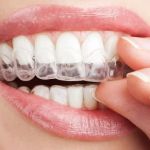
- Take-Home Kits: Dentists can also provide custom-fitted trays and professional-grade whitening gel for at-home use, ensuring better results with reduced risk.
Benefits of Professional Whitening
Professional whitening ensures you’re using the right products in the right amounts, reducing the risks associated with DIY whitening methods. Plus, your dentist can monitor the process and adjust treatments as needed for optimal results.
4. How to Choose Safe Whitening Products
When selecting teeth whitening products, it’s essential to choose those that are both effective and safe. Here are a few tips to help you pick the right one:
- Look for ADA Seal of Acceptance: Products approved by the American Dental Association (ADA) have been tested for safety and effectiveness.
- Read Reviews and Research Ingredients: Always read product reviews and check for ingredients that are known to be safe for your teeth and gums.
- Avoid Overuse: More is not always better. Stick to the recommended usage to avoid overuse and unnecessary damage.
5. Real-Life Experiences and Cases
Many people have had great success with teeth whitening treatments, but it’s crucial to understand that results can vary. For example, Sarah, a 32-year-old from California, shared her experience with professional whitening, stating that she achieved a noticeably brighter smile in just one visit without any sensitivity. However, her friend Mike tried a home whitening strip and experienced significant tooth sensitivity afterward. This highlights the importance of selecting the right method and understanding your own dental health.
6. Get Expert Recommendations
If you’re unsure about which teeth whitening method to choose, it's always best to consult with a dental professional. Dentists can assess your oral health, discuss your goals, and recommend the safest and most effective whitening options for you.
To learn more about safe teeth whitening practices or to explore safe whitening products, visit Dentistry Toothtruth.






 7 Day Dental4.0 (134 review)
 Castle Dental & Orthodontics4.0 (249 review)
 Holbert Family Orthodontics5.0 (467 review)
 Open Door Family Medical Center- Sleepy Hollow4.0 (215 review)
 Safari Dental & Orthodontics4.0 (1362 review)
 Aspen Dental4.0 (503 review)
 The Importance of Oral Health Education During Pregnancy for a Healthy Pregnancy
 Best Tips for Brushing Your Teeth Properly for Healthy Gums: Essential Techniques for Oral Health
 Why Skipping Dental Checkups Can Lead to Bigger Oral Health Problems
 Advantages of Porcelain Dental Restorations
 How Can Diabetes Cause Tooth and Gum Problems? Preventing and Managing Oral Health Issues
 Healthy Habits for Promoting Good Oral Health and Hygiene: Tips for a Healthy Smile