
- Importance of Tooth Cleaning Tools
- Types of Tooth Cleaning Tools
- Choosing the Right Tooth Cleaning Tools
- Benefits of Using Tooth Cleaning Tools
- Where to Buy Tooth Cleaning Tools
1. Importance of Tooth Cleaning Tools
Tooth cleaning tools are an essential part of maintaining oral hygiene. Regular cleaning is crucial for preventing cavities, gum disease, and other oral health problems. While brushing with a toothbrush is the most common method, the use of various specialized tools can improve the effectiveness of your oral care routine. Whether you’re dealing with plaque buildup or simply want to ensure your mouth stays fresh, incorporating additional tools into your routine can make a noticeable difference.
2. Types of Tooth Cleaning Tools
There are several tooth cleaning tools available to help you maintain a clean mouth and healthy teeth. Here’s a breakdown of some of the most commonly used tools:
- Toothbrushes: The most basic and essential tool for cleaning teeth. Electric toothbrushes can offer enhanced plaque removal, while manual toothbrushes are still widely used.
- Dental Floss: A key tool for removing food particles and plaque from between the teeth and along the gum line, areas where a toothbrush can’t reach effectively.
- Interdental Brushes: Smaller than regular toothbrushes, these are designed to clean between teeth and are especially useful for people with braces or wider spaces between teeth.
- Water Flossers: These devices use a stream of pulsating water to clean between teeth and along the gum line, helping remove debris and reduce plaque buildup.
- Dental Scalers: Often used by dental professionals, these tools can help remove tartar and plaque buildup, but some home versions are available for careful use.
- Tongue Scrapers: These tools help clean the surface of your tongue, where bacteria can accumulate and contribute to bad breath.
Each of these tools serves a different purpose, but when used together, they can provide a comprehensive oral care routine that helps keep your teeth and gums in top condition.
3. Choosing the Right Tooth Cleaning Tools
With so many tooth cleaning tools available, it can be overwhelming to choose the right ones for your needs. Here are a few tips to help guide your decision:
- Consider Your Needs: If you have braces or specific dental concerns like gum disease, tools such as interdental brushes or water flossers may be particularly beneficial.
- Opt for Quality: Not all dental tools are made the same. Choose products that are approved by dental professionals and have a reputation for quality.
- Consult Your Dentist: If you’re unsure which tools will work best for you, consult with your dentist. They can recommend specific products based on your oral health.
- Look for Convenience: Electric toothbrushes and water flossers, for example, can make the process easier and more effective. But manual tools can also be efficient when used properly.
It’s important to use the right tool for your specific needs to ensure you’re getting the most out of your oral hygiene routine.
4. Benefits of Using Tooth Cleaning Tools
Using the right tooth cleaning tools offers several benefits beyond just keeping your teeth clean. Here’s why incorporating these tools into your routine is so important:
- Prevention of Oral Diseases: Regular use of proper tooth cleaning tools helps prevent cavities, gum disease, and other oral health issues.
- Better Plaque Removal: Specialized tools like dental floss and interdental brushes can remove plaque from areas that a toothbrush can’t reach, improving overall oral health.
- Improved Breath Freshness: Tongue scraping and flossing can remove bacteria that contribute to bad breath, leaving your mouth feeling fresh.
- Cost-Effective: Maintaining good oral hygiene with proper tools can help avoid expensive dental procedures in the future.
These benefits highlight the importance of incorporating effective tooth cleaning tools into your daily routine for long-term oral health.
5. Where to Buy Tooth Cleaning Tools
If you're looking to purchase high-quality tooth cleaning tools, there are several places where you can find them:
- Online Retailers: Websites like Dentistry Toothtruth offer a wide range of trusted oral care products.
- Pharmacies and Supermarkets: Local stores typically carry essential tooth cleaning tools such as toothbrushes, dental floss, and mouthwash.
- Specialty Dental Stores: These stores often carry high-end tools such as electric toothbrushes, water flossers, and dental scalers.
Before purchasing, it’s essential to research the product and make sure it’s right for your oral care needs. Check for reviews and professional recommendations to ensure you're investing in high-quality tools.






 West Covina Dental Group and Orthodontics4.0 (274 review)
 Prism Dental Care4.0 (82 review)
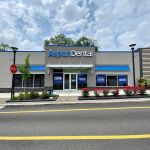 Aspen Dental - Philadelphia, PA4.0 (326 review)
 Ozarks Preferred Dental4.0 (49 review)
 Doc Bresler's Cavity Busters4.0 (363 review)
 Raritan Bay Oral & Maxillofacial Surgery4.0 (4 review)
 The Importance of Oral Health Education During Pregnancy for a Healthy Pregnancy
 Best Tips for Brushing Your Teeth Properly for Healthy Gums: Essential Techniques for Oral Health
 Why Skipping Dental Checkups Can Lead to Bigger Oral Health Problems
 Advantages of Porcelain Dental Restorations
 How Can Diabetes Cause Tooth and Gum Problems? Preventing and Managing Oral Health Issues
 Healthy Habits for Promoting Good Oral Health and Hygiene: Tips for a Healthy Smile