
- Recognizing a Healthy Smile
- The Role of Gums and Teeth in Oral Health
- Daily Habits That Contribute to Good Oral Health
- How to Maintain Good Oral Health for Life
Recognizing a Healthy Smile
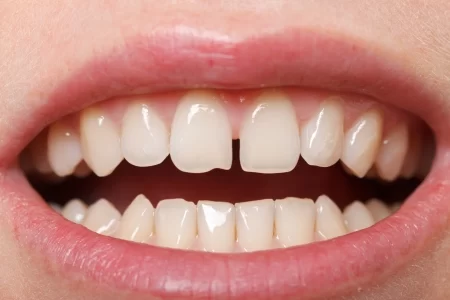
A good indicator of oral health starts with a healthy smile. Healthy teeth are free from cavities, staining, or damage, and they should appear white or slightly off-white, depending on your natural tooth color. If your smile is bright and confident, it often means your dental care is on point. However, don’t just rely on how your teeth look – your mouth should also feel comfortable. Healthy teeth don’t cause discomfort or sensitivity. If you're smiling with confidence and without pain, you're likely showing signs of good oral health.
The Role of Gums and Teeth in Oral Health
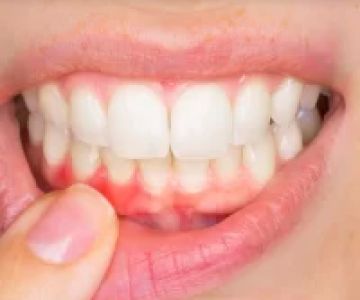
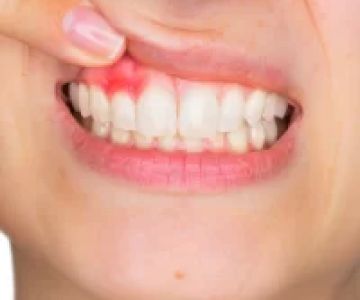
Your gums play an equally important role in oral health. Healthy gums should be pink, firm, and free from bleeding or swelling. If you notice that your gums are inflamed, red, or prone to bleeding when brushing or flossing, this may be an early sign of gum disease. Additionally, the condition of your teeth should be assessed regularly. Teeth that are well-aligned and show minimal signs of wear and tear indicate good oral hygiene. It's essential to visit a dentist regularly to ensure that your gums and teeth are healthy and that any potential issues are caught early.
Daily Habits That Contribute to Good Oral Health
Good oral health doesn’t happen by chance; it’s the result of consistent, daily habits. Brushing your teeth twice a day with fluoride toothpaste is the most essential practice. Additionally, flossing once daily helps remove food particles and plaque between your teeth where your toothbrush can't reach. A balanced diet that’s low in sugary foods and high in nutrients, such as fruits and vegetables, also promotes healthy teeth and gums. Avoiding tobacco and limiting alcohol consumption further ensures long-term oral health. These habits, combined with regular dental check-ups, form the foundation of a healthy mouth.
How to Maintain Good Oral Health for Life
To maintain good oral health throughout life, regular visits to the dentist are crucial. Even if your teeth and gums appear healthy, professional cleanings and exams help ensure that hidden issues, such as cavities or early signs of gum disease, are addressed promptly. Beyond routine dental visits, practicing proper brushing and flossing techniques, as well as using mouthwash, can further enhance oral health. A commitment to regular care and prevention is key to maintaining your smile for years to come.
For more expert advice on maintaining your oral health, visit Dentistry Toothtruth for helpful tips and services.


 Dr. David Plosky DMD5.0 (7 review)
 East Hills Dental Associates: Richard A. Sousa, DDS5.0 (89 review)
 Tri City Endodontics5.0 (4 review)
 McDonough Endodontic Center4.0 (333 review)
 Smile Bright Dental4.0 (80 review)
 Rosen Dental Transitions5.0 (5 review)
 The Importance of Oral Health Education During Pregnancy for a Healthy Pregnancy
 Best Tips for Brushing Your Teeth Properly for Healthy Gums: Essential Techniques for Oral Health
 Why Skipping Dental Checkups Can Lead to Bigger Oral Health Problems
 Advantages of Porcelain Dental Restorations
 How Can Diabetes Cause Tooth and Gum Problems? Preventing and Managing Oral Health Issues
 Healthy Habits for Promoting Good Oral Health and Hygiene: Tips for a Healthy Smile