
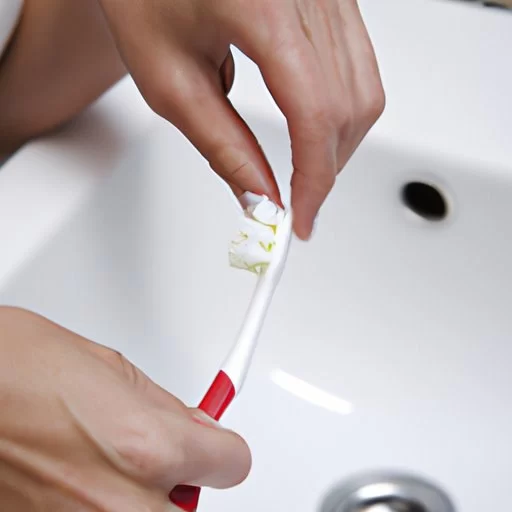
Should You Rinse After Brushing? What Dentists Recommend and Why
When it comes to brushing your teeth, there’s a common question that many people have: Should you rinse your mouth after brushing? This simple yet important aspect of your dental routine can have a significant impact on the health of your teeth and gums. While rinsing with water after brushing might seem like a good habit, many dentists recommend against it. In this article, we’ll dive into the science behind this practice and explore the reasoning behind the advice of dental professionals.
1. Why Rinsing After Brushing Might Not Be Ideal
While it’s common for many people to rinse with water or mouthwash after brushing their teeth, this could actually undo some of the benefits of brushing. Here’s why:
1.1. Rinsing Washes Away Fluoride
One of the most important benefits of toothpaste is fluoride. Fluoride helps to strengthen tooth enamel, prevent tooth decay, and fight cavities. After brushing, fluoride remains on the surface of your teeth, providing long-lasting protection. Rinsing with water or mouthwash immediately after brushing can wash away this fluoride, reducing its effectiveness.
Dental professionals recommend avoiding rinsing with water right after brushing to allow the fluoride to stay on your teeth for as long as possible. This gives the fluoride time to work and helps improve your dental health in the long term.
1.2. Mouthwash Can Overwhelm Your Oral Health
Many people use mouthwash after brushing to freshen their breath. While this can feel refreshing, certain types of mouthwash contain alcohol or other ingredients that may irritate the gums or dry out the mouth. Using mouthwash immediately after brushing can also interfere with the fluoride in your toothpaste, as the strong chemicals in mouthwash can dilute or remove the fluoride.
Instead of rinsing right after brushing, consider using mouthwash at a different time of day, such as after meals, to provide a clean, fresh feeling without affecting the fluoride’s benefits.
2. What Dentists Recommend: No Rinsing, Just Spit
The general advice from dentists is simple: after brushing, spit out the excess toothpaste but don’t rinse with water. Spitting removes the majority of the toothpaste, but leaving a small amount on your teeth allows the fluoride to continue working for longer periods. This is one of the most effective ways to ensure that your teeth receive the full benefits of fluoride.
2.1. How Long Should You Wait to Rinse?
If you’re used to rinsing after brushing, you may be wondering when you can rinse to maintain a clean mouth. Dentists recommend waiting at least 30 minutes after brushing to rinse with water or mouthwash. This gives the fluoride time to stay on your teeth and provide maximum protection.
2.2. When is It Okay to Rinse?
There are situations where rinsing may be necessary. For example, if you’ve consumed something sticky, like sugary foods or drinks, rinsing can help wash away residue. Additionally, if you have a condition like dry mouth or a medical need that requires specific oral hygiene practices, your dentist may recommend rinsing in certain circumstances. However, for the best dental health, avoid rinsing immediately after brushing, unless otherwise directed by a professional.
3. Additional Tips for Maintaining Optimal Oral Hygiene
While rinsing after brushing isn’t necessary, there are other habits and routines you can follow to keep your teeth and gums healthy:
3.1. Brush Twice a Day
Brushing your teeth twice daily is essential for preventing plaque buildup and cavities. Dentists recommend brushing for at least two minutes each time using fluoride toothpaste. Be sure to brush all surfaces of your teeth and gently clean your gums as well.
3.2. Use a Proper Brushing Technique
It’s not just about brushing, but how you brush. Use small, gentle circular motions to avoid damaging your gums and enamel. Avoid brushing too aggressively, as this can lead to gum recession or enamel wear. A soft-bristled toothbrush is often the best choice for most people.
3.3. Don’t Forget to Floss
Flossing is just as important as brushing for maintaining good oral hygiene. It helps to remove food particles and plaque from between your teeth, which a toothbrush can’t always reach. Aim to floss once a day to ensure your gums and teeth stay healthy.
3.4. Visit the Dentist Regularly
Even if you follow an excellent at-home dental care routine, it’s important to see a dentist for regular checkups and cleanings. Dentists can catch potential problems early, such as cavities, gum disease, or oral cancer, and provide treatments to prevent further issues.
4. Conclusion
While rinsing after brushing may seem like a normal practice, it’s actually not recommended by most dental professionals. By avoiding the rinse and allowing fluoride to remain on your teeth, you’re giving your teeth the best protection possible. For fresh breath, consider using mouthwash at a separate time, and follow the advice of your dentist to ensure your dental health is optimal.
For more tips on maintaining healthy teeth and gums, or to book your next appointment, visit Family Dentistry Online.

 Dr. Aziz Bohra, DDS | Avondale4.0 (10 review)
 Ahoyt Family Dental4.0 (619 review)
 Celebrate Dental & Braces5.0 (229 review)
 Children's Dental Specialists & Adult Dentistry - Chester5.0 (37 review)
 Summit Pediatric Dentistry4.0 (145 review)
 Dr. Sapna Patla, DDS4.0 (150 review)
 The Importance of Oral Health Education During Pregnancy for a Healthy Pregnancy
 Best Tips for Brushing Your Teeth Properly for Healthy Gums: Essential Techniques for Oral Health
 Why Skipping Dental Checkups Can Lead to Bigger Oral Health Problems
 Advantages of Porcelain Dental Restorations
 How Can Diabetes Cause Tooth and Gum Problems? Preventing and Managing Oral Health Issues
 Healthy Habits for Promoting Good Oral Health and Hygiene: Tips for a Healthy Smile