
- #when-to-see-a-dentist-immediately-for-tooth-extraction - When to See a Dentist Immediately for Tooth Extraction
- #what-to-expect-during-a-tooth-extraction - What to Expect During a Tooth Extraction
- #reasons-for-tooth-extraction-and-when-it’s-necessary - Reasons for Tooth Extraction and When It’s Necessary
- #aftercare-tips-for-tooth-extraction - Aftercare Tips for Tooth Extraction
- #tooth-extraction-vs-root-canal-treatment - Tooth Extraction vs Root Canal Treatment
- #how-to-prepare-for-a-tooth-extraction - How to Prepare for a Tooth Extraction
- #common-complications-after-tooth-extraction - Common Complications After Tooth Extraction
- #how-family-dentistry-can-help-with-tooth-extraction - How Family Dentistry Can Help with Tooth Extraction
1. When to See a Dentist Immediately for Tooth Extraction
Tooth extraction is often a necessary procedure when a tooth is severely damaged, decayed, or causing significant pain. While the idea of having a tooth pulled may seem daunting, it can often be the best option for preserving your overall oral health. If you're wondering when to see a dentist immediately for tooth extraction, it's important to recognize the signs that indicate the need for this procedure. Early intervention can prevent complications and improve your recovery process.
1.1 Signs You Need a Tooth Extraction
There are several circumstances that may require immediate tooth extraction. Some common signs include:
- Severe Tooth Decay: If a cavity has reached the pulp of the tooth, causing a painful infection, the tooth may need to be extracted.
- Impacted Wisdom Teeth: Wisdom teeth that are trapped in the jawbone or gum tissue can cause pain, infection, or damage to neighboring teeth.
- Advanced Gum Disease: If gum disease has led to loose teeth, extraction may be necessary to avoid further complications.
- Trauma or Injury: A tooth that is severely fractured or broken due to an accident may need to be extracted.
1.1.1 Recognizing the Urgency
If you're experiencing intense pain, swelling, or infection, it's important to see a dentist as soon as possible. Delaying treatment can lead to worsening symptoms and the potential spread of infection. In some cases, an emergency tooth extraction might be needed to prevent more serious health issues.
1.2 Why You Shouldn’t Delay Tooth Extraction
Delaying a tooth extraction when it is clearly needed can lead to a number of complications. For example, if an infected tooth is not removed in time, the infection can spread to other parts of the mouth or even to the bloodstream, leading to more serious health problems like sepsis. Additionally, waiting too long may result in more complex procedures, a longer recovery time, and higher treatment costs.
2. What to Expect During a Tooth Extraction
If your dentist has recommended a tooth extraction, you may be feeling a bit anxious about the process. Understanding what to expect during the procedure can help ease your concerns. Let’s break down the tooth extraction process so you know exactly what will happen:
2.1 The Initial Consultation
Before performing a tooth extraction, your dentist will conduct a thorough examination. This may include taking X-rays to assess the tooth’s position and the surrounding bone structure. The dentist will also discuss your medical history to ensure that you are a suitable candidate for the procedure.
2.1.1 Discussing Your Options
In some cases, the dentist may recommend a simple extraction, where the tooth can be removed easily, or a surgical extraction, where the tooth is more deeply embedded in the bone and may require cutting the gum. Your dentist will explain the options available to you based on the complexity of the extraction.
2.2 The Procedure
Once the dentist has reviewed all details, the extraction will proceed under local anesthesia to numb the area. For more complex extractions, you may be given sedation or general anesthesia to ensure you're comfortable throughout the procedure.
2.2.1 Removing the Tooth
During the extraction, the dentist will gently loosen the tooth from its socket and remove it. If it's a surgical extraction, the dentist may need to make a small incision in the gum to access the tooth, and possibly remove some bone or tissue to extract the tooth completely.
2.3 After the Procedure
Once the tooth is removed, the dentist will clean the area and may place a few stitches if necessary. They will then give you instructions on how to care for your mouth during the recovery process, including how to manage any bleeding and pain.
3. Reasons for Tooth Extraction and When It’s Necessary
Tooth extraction is not always the first solution, but it becomes necessary when other options, like fillings or root canals, are not viable. Below are some of the most common reasons why tooth extraction may be recommended:
3.1 Severe Tooth Decay
If tooth decay reaches the pulp (the inner part of the tooth) and causes infection, a root canal may be necessary. However, if the infection is too severe or the tooth is too damaged to save, extraction becomes the best option to prevent further complications.
3.1.1 Preventing Further Damage
Removing a decayed tooth helps to prevent the spread of infection to other teeth and structures in the mouth. It can also stop the pain and discomfort associated with severe decay.
3.2 Impacted Teeth
Wisdom teeth, or third molars, are often impacted, meaning they do not fully emerge from the gums and may become trapped under bone or tissue. This can cause pain, infection, or damage to surrounding teeth, making extraction necessary.
3.2.1 When to Consider Wisdom Tooth Removal
If your wisdom teeth are causing pain, infection, or other dental issues, it’s best to have them removed before they cause more significant problems.
4. Aftercare Tips for Tooth Extraction
Proper aftercare is essential for a smooth recovery following a tooth extraction. Here are some key tips to ensure you heal properly and avoid complications:
4.1 Control Bleeding
After your tooth is extracted, it's normal to experience some bleeding. Your dentist will likely place a gauze pad on the extraction site to help control this. Bite down gently on the gauze to promote clotting and stop the bleeding. Make sure to replace the gauze as directed by your dentist.
4.1.1 Avoid Spitting and Rinsing
Avoid spitting or vigorously rinsing your mouth right after the procedure, as this can dislodge the blood clot and lead to dry socket, a painful condition where the bone is exposed. Follow your dentist’s instructions for cleaning your mouth gently.
4.2 Manage Pain
Pain following a tooth extraction is common but manageable. Your dentist will likely prescribe pain medication to help alleviate discomfort. Over-the-counter medications like ibuprofen can also help reduce swelling and pain.
4.2.1 Ice Packs for Swelling
Apply an ice pack to the outside of your cheek near the extraction site to reduce swelling. Do this for 20-minute intervals during the first 24 hours after the procedure.
4.3 Watch for Complications
While most tooth extractions heal without issues, it’s important to keep an eye out for potential complications. If you notice excessive bleeding, severe pain, fever, or signs of infection, contact your dentist immediately.
5. Tooth Extraction vs Root Canal Treatment
When dealing with a severely damaged or infected tooth, you may be wondering whether to opt for a tooth extraction or a root canal. Both procedures aim to resolve issues with a tooth, but they differ significantly in approach and purpose.
5.1 Root Canal Treatment
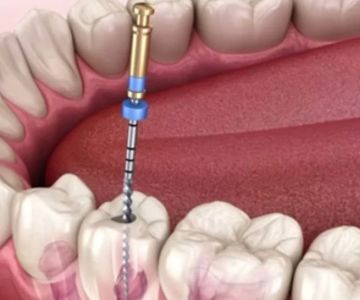
A root canal is a procedure designed to save a tooth by removing the infected pulp and sealing the tooth. It’s often recommended when the tooth is still viable but has become infected. After a root canal, the tooth is typically restored with a crown to ensure it functions properly.
5.1.1 Benefits of Root Canal
Root canal treatment allows you to keep your natural tooth, which is generally preferable for preserving your smile and bite. It is a good option if the tooth is not severely decayed or damaged beyond repair.
5.2 Tooth Extraction
If a tooth is too damaged or infected to save, extraction is the best option. This may be the case if a root canal is not possible or if the tooth is severely decayed or infected.
5.2.1 When to Choose Extraction
Tooth extraction may be the best choice if the tooth is severely fractured, if there’s extensive infection, or if the tooth cannot be restored with a crown or filling.
6. How Family Dentistry Can Help with Tooth Extraction
Family dentists play a key role in managing tooth extractions, especially for patients with families who need comprehensive dental care. A trusted family dentist can assess your situation, offer the best treatment options, and guide you through the entire extraction process.
6.1 Comprehensive Care for All Ages
Family dentistry offers a range of services, from routine cleanings to more complex procedures like tooth extractions. Whether you need a simple extraction or a more complicated surgical procedure, a family dentist can provide the expertise and personalized care needed for your specific situation.
6.1.1 Personalized Guidance
At Family Dentistry Online, we help families find the right dental care providers who can guide them through procedures like tooth extractions and provide long-term care to maintain their oral health.





 Maya Dental3.0 (6 review)
 Wilmington Pediatric Dentistry5.0 (103 review)
 Comfort Dental North Powers4.0 (914 review)
 Bio Dental4.0 (450 review)
 Mortenson Family Dental4.0 (413 review)
 Henry J. Austin Health Center at Ewing Street3.0 (33 review)
 The Importance of Oral Health Education During Pregnancy for a Healthy Pregnancy
 Best Tips for Brushing Your Teeth Properly for Healthy Gums: Essential Techniques for Oral Health
 Why Skipping Dental Checkups Can Lead to Bigger Oral Health Problems
 Advantages of Porcelain Dental Restorations
 How Can Diabetes Cause Tooth and Gum Problems? Preventing and Managing Oral Health Issues
 Healthy Habits for Promoting Good Oral Health and Hygiene: Tips for a Healthy Smile