
Understanding the Role of Mouthwash in Oral Hygiene
Mouthwash has long been promoted as an essential part of oral care, but is it truly necessary to include it regularly in your hygiene routine? Many Americans wonder if rinsing with mouthwash daily improves dental health or if it's simply a marketing gimmick. The answer depends on various factors including your individual oral health needs, the type of mouthwash used, and how it complements brushing and flossing.
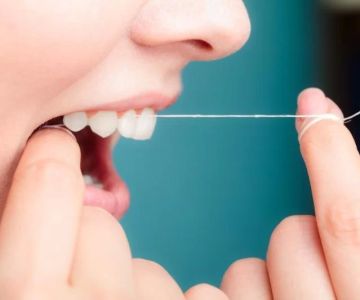
Dental experts agree that while mouthwash can be beneficial, it should never replace brushing or flossing. Instead, it acts as an adjunct to help reduce bacteria, freshen breath, and sometimes deliver specific treatments such as fluoride or antiseptics.
1. How Mouthwash Works and Its Different Types
Mouthwashes generally fall into two main categories: cosmetic and therapeutic. Cosmetic mouthwashes primarily mask bad breath but do not address underlying issues. Therapeutic mouthwashes contain active ingredients that help reduce plaque, gingivitis, cavities, and bad breath.
Common active ingredients include chlorhexidine, cetylpyridinium chloride, essential oils, fluoride, and hydrogen peroxide. Each serves a distinct purpose—chlorhexidine, for example, is prescribed to control severe gum disease but is typically used short-term due to side effects like tooth staining.
2. Benefits of Including Mouthwash in Daily Oral Care
Adding mouthwash to your routine can provide several benefits beyond brushing and flossing:
- Enhanced plaque control: Therapeutic mouthwashes can reach areas brushing misses, reducing plaque buildup and lowering the risk of cavities.
- Reduction of gum inflammation: Certain formulations help control gingivitis, promoting healthier gums.
- Fresh breath: Mouthwash temporarily masks bad odors and reduces bacteria responsible for halitosis.
- Additional fluoride protection: Fluoride mouthwashes strengthen tooth enamel, especially useful for those prone to decay.
For example, a recent case study in a dental clinic in California showed patients who incorporated fluoride mouthwash after brushing had significantly fewer cavities over a 12-month period compared to those who did not use mouthwash.
3. Potential Downsides and Risks of Overusing Mouthwash
While mouthwash can be helpful, overuse or improper use may cause issues:
- Oral tissue irritation: Alcohol-based mouthwashes can cause dryness or irritation, especially for sensitive mouths.
- Masking symptoms: Mouthwash may temporarily conceal bad breath or discomfort caused by underlying dental problems that need professional care.
- Disruption of oral microbiome: Excessive antibacterial use might upset the natural balance of oral bacteria, potentially affecting overall oral health.
Experts advise using mouthwash as directed and not relying on it as a standalone solution. In some cases, especially with children or people with certain medical conditions, alcohol-free or milder alternatives are recommended.
4. When Should Mouthwash Be a Regular Part of Your Routine?
Mouthwash is particularly beneficial for people who:
- Have a history of gum disease or cavities
- Wear braces or dental appliances that make cleaning difficult
- Experience dry mouth due to medications or health conditions
- Are prone to bad breath despite good brushing habits
- Want extra fluoride protection
However, for generally healthy individuals with good oral hygiene, mouthwash might be more of a supplementary luxury than a necessity. Consulting your dentist is the best way to tailor your oral care to your needs.
5. Practical Tips for Using Mouthwash Effectively
To maximize benefits and minimize risks, follow these guidelines:
- Use mouthwash after brushing and flossing, not before, to avoid washing away fluoride from toothpaste.
- Follow the recommended duration on the product label, typically 30 seconds to 1 minute.
- Avoid swallowing mouthwash and store it out of children’s reach.
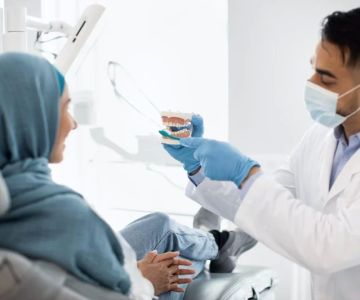
- Choose a product appropriate for your specific needs—ask your dentist for recommendations.
- Consider alcohol-free versions if you have sensitive gums or experience dryness.
6. Real-Life Experience: How Mouthwash Changed One Family’s Oral Health
The Garcia family from Texas used to struggle with persistent gum inflammation and occasional bad breath despite regular brushing and flossing. After their dentist recommended adding an antimicrobial mouthwash to their routine, they noticed significant improvements within weeks. The family’s daughter, who had braces, especially benefited from the additional plaque control the mouthwash provided, reducing her risk of cavities around brackets. This experience highlights how mouthwash can be a game-changer when integrated thoughtfully.
7. Final Thoughts on Mouthwash in Your Oral Hygiene Routine
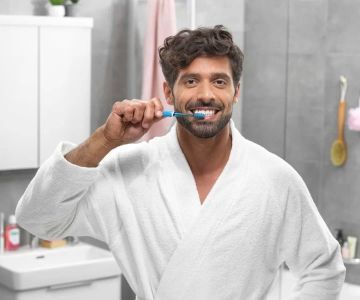
Mouthwash is a valuable tool when used correctly and suited to individual oral health needs. It complements daily brushing and flossing, helping to keep your mouth cleaner, fresher, and healthier. Americans looking to enhance their oral care should consider mouthwash as part of a comprehensive routine rather than a quick fix.
For personalized advice and access to trusted oral care products, visit Dentistry Toothtruth, where experts guide you to the most suitable solutions for your dental health journey.

 iSmile Orthodontics - Yonkers4.0 (1032 review)
 The Modern Endodontist: Yarah Beddawi DDS | Root Canal Specialist in Mountain View and Los Altos4.0 (200 review)
 Dentlife Dental Care4.0 (15 review)
 Holistic Dental Wellness Center - Iman Abdeshahian, DMD4.0 (166 review)
 NorthShore Health Centers4.0 (153 review)
 Village Dentistry4.0 (130 review)
 The Importance of Oral Health Education During Pregnancy for a Healthy Pregnancy
 Best Tips for Brushing Your Teeth Properly for Healthy Gums: Essential Techniques for Oral Health
 Why Skipping Dental Checkups Can Lead to Bigger Oral Health Problems
 Advantages of Porcelain Dental Restorations
 How Can Diabetes Cause Tooth and Gum Problems? Preventing and Managing Oral Health Issues
 Healthy Habits for Promoting Good Oral Health and Hygiene: Tips for a Healthy Smile