
1. Introduction
Recovering from an eating disorder involves many challenges, and one often overlooked area is dental health. Eating disorders, whether anorexia, bulimia, or binge eating, can take a significant toll on oral health. In this article, we will discuss safe dental hygiene practices that are essential for people recovering from eating disorders. Maintaining good oral hygiene not only ensures a brighter smile but is also vital for overall health during the recovery process.
2. The Impact of Eating Disorders on Oral Health
Eating disorders can cause a variety of dental issues, including tooth erosion, cavities, gum disease, and dry mouth. The effects on the teeth and gums depend on the type of eating disorder and the severity of the behaviors. Understanding these impacts can help you take appropriate steps to protect your oral health during recovery.
2.1 How Bulimia Affects Oral Health
People with bulimia may experience frequent vomiting, which exposes their teeth to stomach acid. This acid can erode the enamel, leading to sensitivity, discoloration, and cavities. Additionally, the dehydration caused by purging can reduce saliva production, further increasing the risk of cavities and gum disease.
2.2 Effects of Anorexia on Teeth and Gums
Individuals with anorexia may experience malnutrition, which can weaken their immune system and affect their oral tissues. This can result in gum disease, tooth decay, and delayed healing of oral tissues. Anorexia can also lead to dry mouth due to dehydration, which decreases the protective function of saliva.
2.3 Binge Eating and Dental Health
Binge eating can also contribute to dental problems. Consuming large quantities of food, especially sugary or acidic foods, can increase the risk of cavities and enamel erosion. Binge eating often leads to poor dietary habits, which can negatively impact oral health over time.
3. Safe Dental Hygiene Practices During Recovery
Recovering from an eating disorder requires a careful approach to dental hygiene. Here are some safe practices to ensure you maintain good oral health while navigating the challenges of recovery.
3.1 Gentle Brushing and Fluoride Toothpaste
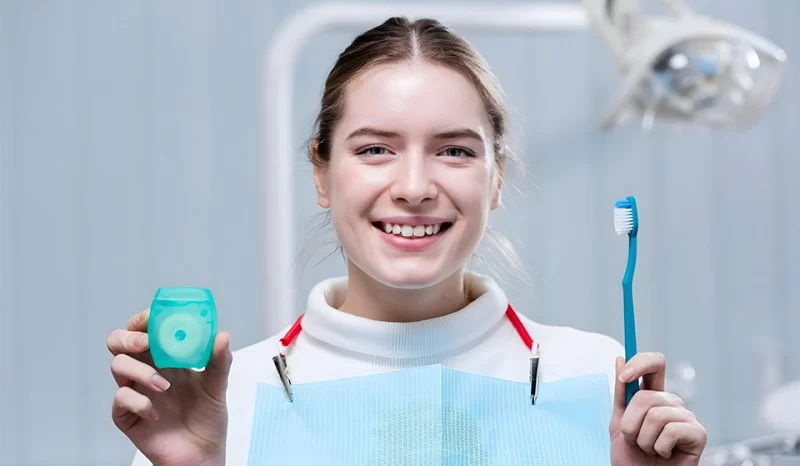
Brushing your teeth is essential, but it’s important to do so gently, especially if you have weakened enamel from vomiting or poor nutrition. Use a soft-bristled toothbrush and fluoride toothpaste to help remineralize the enamel. Avoid brushing immediately after vomiting, as this can further damage the enamel. Wait at least 30 minutes to allow your saliva to neutralize the acid before brushing.
3.2 Use a Mouth Rinse
Rinsing your mouth with a fluoride mouthwash or a neutralizing mouth rinse after meals or vomiting can help protect your teeth. These rinses can help remove acids and food particles without causing further harm to the enamel. Additionally, fluoride mouthwash helps to strengthen teeth and prevent cavities.
3.3 Drink Plenty of Water
Hydration is crucial for overall health, including oral health. Drinking water helps wash away food particles and bacteria, which reduces the risk of cavities. It also helps keep your mouth moist, combating dry mouth—a common issue for people recovering from eating disorders. Sipping water throughout the day is a simple yet effective way to protect your teeth.
3.4 Avoid Acidic and Sugary Foods
During recovery, it’s important to be mindful of your diet. Acidic foods like citrus fruits and tomatoes can erode tooth enamel, while sugary foods can contribute to cavities. Try to limit the consumption of these foods, and if you do eat them, rinse your mouth with water afterward. Focusing on a balanced, nutrient-rich diet will not only aid in recovery but also promote better oral health.
3.5 Regular Dental Checkups
Visiting a dentist regularly is crucial for monitoring your oral health during recovery. Your dentist can help identify early signs of tooth damage, gum disease, or other oral health issues. They can also provide personalized advice on how to maintain good oral hygiene, as well as recommend treatments to address any dental concerns.
4. Real-Life Case: How One Woman Took Charge of Her Oral Health During Recovery
Sarah, a 28-year-old woman recovering from bulimia, shared her experience of taking care of her dental health during recovery. "I didn’t realize how much my eating disorder had affected my teeth until my dentist pointed it out," she said. "But with the right dental hygiene routine, I was able to prevent further damage. I used fluoride toothpaste, started rinsing with a mouthwash, and made sure to stay hydrated. My dentist also recommended regular checkups, which gave me peace of mind as I recovered." Sarah’s story highlights the importance of proactive care and regular visits to the dentist for individuals in recovery.
5. Conclusion
Maintaining proper dental hygiene during recovery from an eating disorder is crucial to preserving your oral health and overall well-being. By following safe and gentle dental care practices, including using fluoride toothpaste, drinking water, and avoiding acidic and sugary foods, you can prevent further damage to your teeth. Regular dental visits will help ensure that your teeth remain healthy as you continue on your recovery journey. If you’re looking for more guidance on dental hygiene or need professional support, visit Family Dentistry Online for expert advice and services tailored to your needs.


 Absolute Dental - Aliante4.0 (910 review)
 Dental Crown in an Hour: Naples4.0 (121 review)
 The Smile Institute Advanced Dentistry & Orthodontics4.0 (256 review)
 Virginia Family Dentistry Brandermill - Woodlake4.0 (724 review)
 Equitas Health Short North Medical Center3.0 (96 review)
 DentalWorks & Orthodontics Schaumburg4.0 (367 review)
 The Importance of Oral Health Education During Pregnancy for a Healthy Pregnancy
 Best Tips for Brushing Your Teeth Properly for Healthy Gums: Essential Techniques for Oral Health
 Why Skipping Dental Checkups Can Lead to Bigger Oral Health Problems
 Advantages of Porcelain Dental Restorations
 How Can Diabetes Cause Tooth and Gum Problems? Preventing and Managing Oral Health Issues
 Healthy Habits for Promoting Good Oral Health and Hygiene: Tips for a Healthy Smile