
What is Root Canal Therapy and Why is it Necessary?
- 1. What is Root Canal Therapy?
- 2. Why is Root Canal Therapy Necessary?
- 3. Symptoms Indicating You Might Need a Root Canal
- 4. What Happens During a Root Canal Procedure?
- 5. Real-Life Case: How Root Canal Saved a Tooth
1. What is Root Canal Therapy?
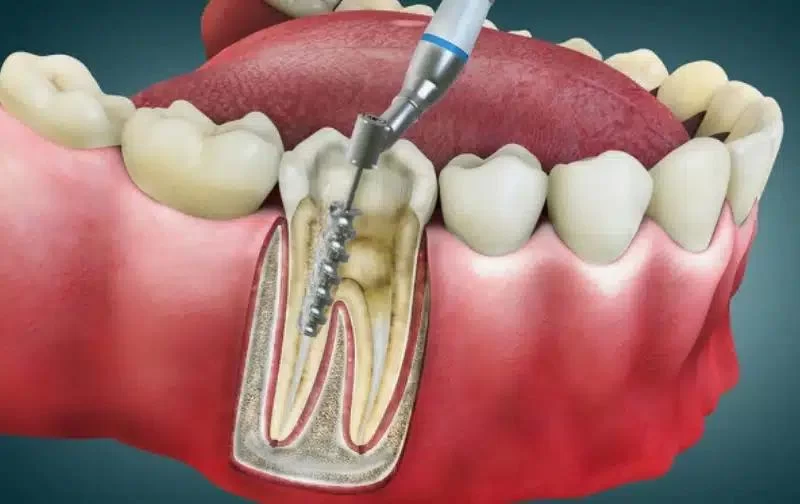
Root canal therapy, often simply called a root canal, is a dental procedure used to treat infection at the center of a tooth (the root canal system). The goal of the procedure is to save a tooth that might otherwise need to be removed. The infection is usually caused by bacteria that enter the tooth due to untreated cavities, cracks, or trauma.
During a root canal, the dentist or endodontist removes the infected pulp from inside the tooth, cleans the area, and then seals it. Afterward, a crown or filling is often placed over the tooth to restore its function and appearance.
2. Why is Root Canal Therapy Necessary?
Root canal therapy becomes necessary when the pulp (the soft tissue inside the tooth that contains nerves and blood vessels) becomes infected or inflamed. Without treatment, the infection can spread to the surrounding tissues, causing severe pain, abscess formation, or even tooth loss.
Root canals are one of the most effective ways to save a tooth from extraction. By removing the infection and sealing the tooth, it allows patients to preserve their natural tooth structure and avoid the need for more complex restorative procedures like implants or bridges.
In many cases, a root canal can be a cost-effective solution compared to tooth extraction, as it can prevent future complications and the need for more extensive dental work down the line.
3. Symptoms Indicating You Might Need a Root Canal
If you're experiencing any of the following symptoms, it may be a sign that you need a root canal:
- Persistent tooth pain: A constant ache, especially when chewing or applying pressure, could indicate an infection deep within the tooth.
- Sensitivity to hot or cold: Prolonged sensitivity to temperature changes that lingers even after the stimulus is removed may point to nerve damage inside the tooth.
- Swelling or tenderness: Swelling of the gums around a tooth, sometimes with a pimple-like bump, is often a sign of infection.
- Discoloration: A tooth that becomes darkened or discolored may suggest that the pulp is dying or has already died.
- Foul taste or odor: This can indicate the presence of infection or a developing abscess at the root.
If you experience any of these symptoms, it's crucial to see your dentist or endodontist promptly to assess the need for a root canal. Early treatment can help prevent further damage to the tooth and surrounding structures.
4. What Happens During a Root Canal Procedure?
Root canal therapy is typically performed in one or two visits, depending on the complexity of the case. Here's an overview of what happens during the procedure:
- Step 1 - Diagnosis: The dentist will take X-rays to determine the extent of the infection and examine the tooth's structure.
- Step 2 - Anesthesia: Local anesthesia is administered to numb the affected area, ensuring the procedure is pain-free.
- Step 3 - Pulp Removal: The dentist creates a small opening in the crown of the tooth to access the infected pulp. The infected tissue is then carefully removed.
- Step 4 - Cleaning and Shaping: The hollow space is cleaned, disinfected, and shaped to prepare it for filling.
- Step 5 - Filling and Sealing: Once cleaned, the empty root canal is filled with a biocompatible material to prevent reinfection. The tooth is sealed with a temporary or permanent filling.
- Step 6 - Restoration: After the root canal is complete, a crown may be placed over the tooth to restore its strength and appearance.
While the procedure itself is relatively simple, some patients may require a follow-up appointment to ensure that the tooth heals properly and remains free of infection.
5. Real-Life Case: How Root Canal Saved a Tooth
Consider the story of Tom, a 45-year-old who was experiencing severe pain in his upper molar. After visiting his dentist, he learned that his tooth had an infected pulp, likely due to an untreated cavity that had progressed deeper into the tooth.
Tom's dentist recommended a root canal to save the tooth and prevent further infection. Although initially apprehensive about the procedure, Tom was relieved to find that it was far less painful than he had anticipated. The treatment not only alleviated his pain but also allowed him to keep his natural tooth instead of opting for an extraction and implant.
Today, Tom's tooth is fully restored with a durable crown, and he feels more confident in his smile. His experience highlights the importance of seeking early treatment for dental infections and how a root canal can preserve your natural teeth for years to come.
If you think you might need a root canal or have questions about the procedure, visit Dentistry Toothtruth for more information on treatments, cost, and finding a specialist near you.






 Deem Thomas E DDS5.0 (4 review)
 ForwardDental Madison East4.0 (165 review)
 Nevada Dentistry & Braces4.0 (573 review)
 St. Paul Oral Surgery - Mendota Heights4.0 (214 review)
 Lakes Orthodontics4.0 (250 review)
 Aspen Dental - Naples, FL4.0 (420 review)
 The Importance of Oral Health Education During Pregnancy for a Healthy Pregnancy
 Best Tips for Brushing Your Teeth Properly for Healthy Gums: Essential Techniques for Oral Health
 Why Skipping Dental Checkups Can Lead to Bigger Oral Health Problems
 Advantages of Porcelain Dental Restorations
 How Can Diabetes Cause Tooth and Gum Problems? Preventing and Managing Oral Health Issues
 Healthy Habits for Promoting Good Oral Health and Hygiene: Tips for a Healthy Smile