
What Are the Risks of Dental Implant Surgery? Key Complications You Should Know
- 1. Understanding Dental Implant Surgery
- 2. Common Risks of Dental Implant Surgery
- 3. How to Minimize the Risks of Dental Implant Surgery
- 4. Real-Life Case Studies: Dental Implant Risks
- 5. What to Expect During Recovery
- 6. Managing Complications During Recovery
- 7. When to Contact Your Dentist About Implant Complications
- 8. Dentistry Toothtruth Recommendations for Safe Implant Surgery
1. Understanding Dental Implant Surgery
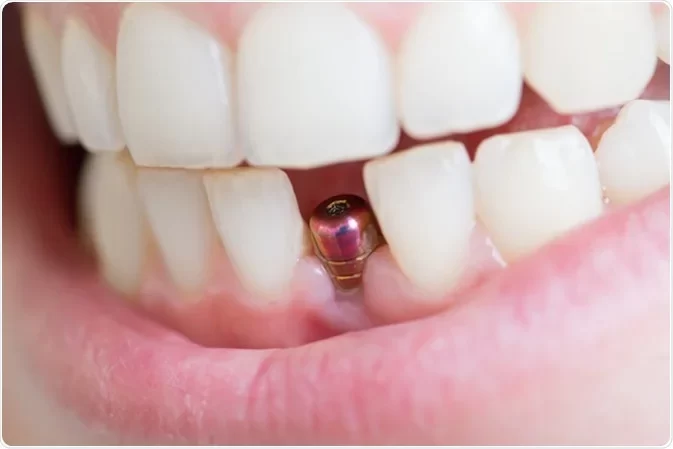
Dental implant surgery is a procedure that replaces missing or damaged teeth with artificial ones. The implant, usually made of titanium, is inserted into the jawbone to provide a secure foundation for the artificial tooth. While the procedure has become increasingly popular due to its success rate and effectiveness, it is important to understand the potential risks involved. Every surgical procedure comes with a certain level of risk, and dental implants are no exception.
2. Common Risks of Dental Implant Surgery
While dental implants are generally safe and effective, there are several risks and complications that patients should be aware of. These can include:
- Infection: One of the most common risks associated with dental implant surgery is infection at the implant site. This can occur during the procedure or in the healing phase. Infections can lead to pain, swelling, and even implant failure if not treated promptly.
- Implant Failure: In some cases, the dental implant may not properly fuse with the bone (a process known as osseointegration). This can result in implant failure, which may require removal and replacement.
- Nerve Damage: Although rare, nerve damage can occur during dental implant surgery. This can lead to numbness, tingling, or pain in the gums, lips, chin, or tongue.
- Sinus Problems: For implants placed in the upper jaw, there is a risk of sinus complications. If the implant protrudes into the sinus cavity, it can cause sinus infections or other issues.
- Injury to Surrounding Teeth or Structures: If the implant is not placed correctly, it can affect nearby teeth or structures, potentially causing damage to the bone, gums, or nerves.
3. How to Minimize the Risks of Dental Implant Surgery
While the risks mentioned above are possible, they can be minimized with careful planning, skilled surgeons, and proper aftercare. Here are some ways to reduce the chances of complications:
- Choose an Experienced Surgeon: Selecting a qualified and experienced dental implant specialist is crucial. They will have the knowledge and skills necessary to perform the surgery successfully and minimize risks.
- Follow Pre-Surgery Instructions: Your dentist will likely give you specific instructions to follow before surgery, such as avoiding certain foods or medications. These instructions should be followed carefully to reduce the risk of complications.
- Proper Aftercare: After the procedure, follow all post-surgery care instructions. This will include keeping the surgical site clean, taking any prescribed antibiotics, and attending follow-up appointments to monitor healing.
- Good Oral Hygiene: Maintaining good oral hygiene can prevent infections and complications related to dental implants. Brush and floss regularly, and avoid smoking, which can slow down the healing process.
4. Real-Life Case Studies: Dental Implant Risks
Case studies can help illustrate the potential risks of dental implant surgery. Consider the experience of Michael, a 45-year-old man who had dental implants placed after losing a tooth due to an accident. Despite following all pre- and post-surgery instructions, Michael experienced an infection in the surgical site. Fortunately, with prompt treatment, the infection was resolved, and his implant remained intact.
On the other hand, Lisa, a 60-year-old woman, faced complications with her implant after it failed to integrate with her bone. She needed the implant removed and replaced, but after additional bone grafting, she successfully received a new implant. These cases highlight that while risks exist, most complications are manageable with the right intervention.
5. What to Expect During Recovery
The recovery period after dental implant surgery varies depending on the individual and the complexity of the procedure. In general, you can expect some swelling and discomfort in the first few days. Most patients can return to work within a few days, but strenuous activities should be avoided for at least a week. It is also important to eat soft foods and avoid chewing on the implant site during the early stages of recovery.
6. Managing Complications During Recovery
While the majority of dental implant surgeries result in a smooth recovery, some patients may experience complications. If you notice persistent pain, swelling, or any unusual symptoms during recovery, it’s important to contact your dentist immediately. Infections or implant failure may require further procedures, such as antibiotics or replacement of the implant.
7. When to Contact Your Dentist About Implant Complications
If you experience any of the following symptoms, it’s important to reach out to your dentist right away:
- Persistent or severe pain beyond a few days after surgery
- Uncontrolled swelling or bleeding
- Signs of infection, such as fever or pus around the implant
- Implant mobility or discomfort when chewing
8. Dentistry Toothtruth Recommendations for Safe Implant Surgery
At Dentistry Toothtruth, we recommend seeking care from an experienced, board-certified dental implant specialist. Our team is committed to providing comprehensive consultations to ensure you understand all the risks and benefits of dental implant surgery. For more information on safe dental implant procedures or to schedule a consultation, visit Dentistry Toothtruth.






 Dental Solutions of Roxborough4.0 (219 review)
 Dental365 - Throgs Neck4.0 (554 review)
 Children's Dentistry of Maine3.0 (23 review)
 Palo Alto Orthodontics5.0 (249 review)
 Plaza Dentistry5.0 (612 review)
 Chesterfield Family and Cosmetic Dental Center4.0 (266 review)
 The Importance of Oral Health Education During Pregnancy for a Healthy Pregnancy
 Best Tips for Brushing Your Teeth Properly for Healthy Gums: Essential Techniques for Oral Health
 Why Skipping Dental Checkups Can Lead to Bigger Oral Health Problems
 Advantages of Porcelain Dental Restorations
 How Can Diabetes Cause Tooth and Gum Problems? Preventing and Managing Oral Health Issues
 Healthy Habits for Promoting Good Oral Health and Hygiene: Tips for a Healthy Smile