
Restoring Teeth with Bonding: An Effective and Affordable Cosmetic Dentistry Solution
- 1. What is Tooth Bonding?
- 2. Benefits of Restoring Teeth with Bonding
- 3. How is the Bonding Procedure Done?
- 4. Real-Life Examples of Successful Teeth Restoration with Bonding
- 5. Is Restoring Teeth with Bonding Right for You?
1. What is Tooth Bonding?
Tooth bonding is a common cosmetic dental procedure that can restore teeth and improve their appearance. It involves applying a tooth-colored resin material to damaged or discolored teeth, which is then hardened using a special light. The resin bonds to the tooth, making it look natural and well-contoured. Bonding is often used to repair chips, cracks, and gaps between teeth, providing an effective solution without the need for extensive treatments like crowns or veneers.
2. Benefits of Restoring Teeth with Bonding
Restoring teeth with bonding offers numerous advantages for those seeking cosmetic improvements. Some of the key benefits include:
- Cost-Effective: Compared to other dental restoration methods, bonding is typically more affordable.
- Quick Procedure: Tooth bonding usually takes 30 to 60 minutes per tooth, making it a quick and convenient solution.
- Natural Appearance: The composite resin can be easily shaped to match the color and contour of your natural teeth.
- Minimal Tooth Removal: Unlike crowns or veneers, bonding requires little to no removal of tooth enamel.
- Versatility: Bonding can fix a variety of cosmetic dental issues, from filling cavities to altering the shape of a tooth.
3. How is the Bonding Procedure Done?
The tooth bonding procedure is relatively simple and non-invasive. Here's how it typically works:
- Preparation: Your dentist will clean the tooth and choose a resin color that matches your natural tooth shade.
- Shaping the Resin: The composite resin is applied to the tooth and shaped to fill in any cracks or gaps.
- Hardening: A special curing light is used to harden the resin, ensuring it bonds securely to the tooth surface.
- Finishing Touches: Once the resin has hardened, your dentist will smooth and polish it to match the natural appearance of your tooth.
4. Real-Life Examples of Successful Teeth Restoration with Bonding
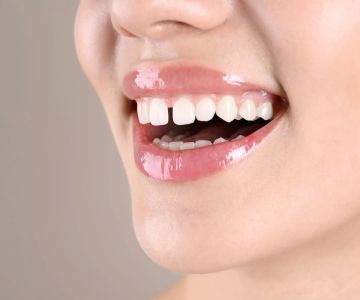
Real-life success stories highlight the transformative effects of dental bonding. For example, one patient named Emily had a noticeable gap between her front teeth. After a simple bonding procedure, the gap was eliminated, and her smile was completely transformed. In another case, John had a chipped tooth from an accident. With bonding, the tooth was restored, and the damage was virtually undetectable. These stories reflect how bonding can enhance not only the function but also the confidence of individuals seeking a brighter, healthier smile.
5. Is Restoring Teeth with Bonding Right for You?
If you have minor cosmetic issues like chips, cracks, or discoloration, tooth bonding might be a perfect solution. However, it's important to consider the durability of bonding material. While it's an excellent choice for many people, it may not be ideal for those with extensive dental damage or those who grind their teeth frequently. Consulting with a skilled dentist is key to determining whether bonding is the best option for your unique needs.
Are you interested in restoring your smile with bonding? Visit Dentistry Toothtruth to learn more about the procedure and discover the best bonding options for your teeth!

 Klooster Family Dentistry4.0 (974 review)
 Evenly Orthodontics5.0 (1 review)
 Central Park Dental4.0 (519 review)
 Dalessandro Implants and Periodontics4.0 (59 review)
 Arnold J. Fischler, DMD4.0 (4 review)
 Dr. Jared Hoover, DDS5.0 (337 review)
 The Importance of Oral Health Education During Pregnancy for a Healthy Pregnancy
 Best Tips for Brushing Your Teeth Properly for Healthy Gums: Essential Techniques for Oral Health
 Why Skipping Dental Checkups Can Lead to Bigger Oral Health Problems
 Advantages of Porcelain Dental Restorations
 How Can Diabetes Cause Tooth and Gum Problems? Preventing and Managing Oral Health Issues
 Healthy Habits for Promoting Good Oral Health and Hygiene: Tips for a Healthy Smile