
Restorative Dentistry for People with Missing Teeth: Restore Your Smile and Function
- What is Restorative Dentistry?
- Common Causes of Missing Teeth
- Treatment Options for Missing Teeth
- Dental Implants for Missing Teeth
- Dentures and Bridges
- Benefits of Restorative Dentistry for Missing Teeth
1. What is Restorative Dentistry?
Restorative dentistry refers to the field of dentistry focused on restoring damaged or missing teeth. It involves a variety of techniques and procedures to repair or replace teeth that have been lost due to decay, injury, or other factors. The goal is not only to restore the tooth’s function but also its appearance, helping patients regain confidence in their smile.
For people with missing teeth, restorative dentistry offers several solutions to replace lost teeth, restore oral function, and improve overall health. Whether through dental implants, bridges, or dentures, restorative dentistry helps people return to a normal lifestyle, allowing them to eat, speak, and smile comfortably again.
At Dentistry Toothtruth, we specialize in restoring smiles and improving quality of life through effective and personalized restorative treatments for missing teeth.
2. Common Causes of Missing Teeth
Teeth may be lost for a variety of reasons. Understanding the underlying causes can help you take preventative measures to maintain good oral health. Below are the most common reasons people experience tooth loss:
- Tooth Decay: Severe cavities that are not treated can lead to the need for tooth extraction.
- Gum Disease: Advanced gum disease (periodontitis) can cause tooth loss due to the weakening of the supporting bone and tissue.
- Trauma or Injury: Accidents, falls, or sports injuries can cause teeth to be knocked out or severely damaged.
- Age: As people age, their teeth may naturally wear down, weaken, or become brittle, leading to extraction or loss.
Regardless of the cause, restorative dentistry offers various solutions to replace missing teeth and restore a healthy smile.
3. Treatment Options for Missing Teeth
When it comes to replacing missing teeth, there are several options to choose from, depending on your needs, preferences, and oral health. Restorative dentistry provides a range of treatments that can be customized to suit each patient. Here are the most common options for replacing missing teeth:
- Dental Implants: Dental implants are one of the most effective and long-lasting solutions for replacing missing teeth. They involve the placement of a titanium post into the jawbone, which acts as a replacement root for a new tooth.
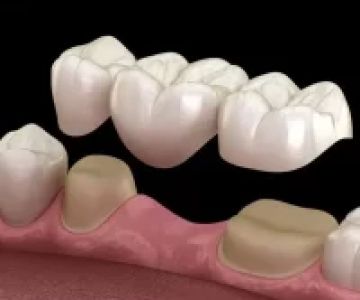
- Dental Bridges: Bridges are used to fill the gap left by one or more missing teeth. They consist of artificial teeth anchored to adjacent natural teeth or implants.
- Dentures: Full or partial dentures are removable appliances that can replace multiple missing teeth. They are typically made of acrylic and provide a functional and affordable option for patients with extensive tooth loss.
Each option offers unique benefits, and your dentist can help determine which one is the best fit for your needs. At Dentistry Toothtruth, we offer comprehensive consultations to guide you through these choices and recommend the most suitable treatment for your smile.
4. Dental Implants for Missing Teeth
Dental implants are widely considered the gold standard for replacing missing teeth. This advanced procedure involves inserting a titanium post into the jawbone, which fuses with the bone over time, creating a stable foundation for an artificial tooth or crown. Dental implants offer several key benefits for people with missing teeth:
- Long-Lasting: Dental implants can last for decades or even a lifetime with proper care.
- Natural Look and Feel: Once the implant is placed, it looks and feels like a natural tooth, providing a seamless and comfortable solution for tooth replacement.
- Preservation of Bone Health: Implants help preserve the jawbone structure by stimulating bone growth, preventing the bone from deteriorating, which often happens when teeth are lost.
While dental implants are a more expensive option upfront, their durability, functionality, and aesthetic appeal make them a highly recommended choice for many patients seeking long-term restoration solutions.
5. Dentures and Bridges
If you are looking for a more affordable or immediate solution, dentures and dental bridges may be appropriate options. These restorations are more traditional methods of replacing missing teeth and offer their own set of benefits:
- Bridges: Bridges are an excellent choice for people missing one or more adjacent teeth. They are anchored onto natural teeth or implants, providing a stable and fixed solution to fill the gaps in your smile.
- Full and Partial Dentures: Dentures are removable appliances that replace missing teeth. Full dentures replace all teeth in the upper or lower jaw, while partial dentures fill in gaps when some natural teeth remain. Dentures offer an affordable solution for people with multiple missing teeth.
While dentures and bridges may not be as permanent as implants, they are still highly effective and can help restore both the function and appearance of your smile. Your dentist can help you choose the best option based on your dental needs and budget.
6. Benefits of Restorative Dentistry for Missing Teeth
Restorative dentistry provides numerous benefits for individuals with missing teeth, both physically and emotionally. Here are the key advantages of opting for restorative treatments:
- Improved Oral Health: Restoring missing teeth helps prevent further dental complications, such as shifting of remaining teeth, gum disease, and bone loss.
- Enhanced Functionality: Replacing missing teeth restores the ability to chew, speak, and smile confidently, improving your overall quality of life.
- Aesthetic Enhancement: Restorative dentistry treatments like implants, bridges, and dentures help improve the appearance of your smile, enhancing facial aesthetics and boosting self-esteem.
With the right treatment, restorative dentistry can help you regain a full, healthy smile and improve your quality of life. If you're considering restorative dentistry for missing teeth, reach out to Dentistry Toothtruth to explore your options and take the next step toward restoring your smile.

 Lake County Family Dental Care4.0 (449 review)
 E&S Orthodontics Phoenix4.0 (473 review)
 Virginia Family Dentistry Atlee4.0 (591 review)
 Todays Dental Of Joliet (formerly Hammes Family Dental)4.0 (130 review)
 The Orthodontic Studio5.0 (72 review)
 Red Dirt Orthodontics5.0 (912 review)
 The Importance of Oral Health Education During Pregnancy for a Healthy Pregnancy
 Best Tips for Brushing Your Teeth Properly for Healthy Gums: Essential Techniques for Oral Health
 Why Skipping Dental Checkups Can Lead to Bigger Oral Health Problems
 Advantages of Porcelain Dental Restorations
 How Can Diabetes Cause Tooth and Gum Problems? Preventing and Managing Oral Health Issues
 Healthy Habits for Promoting Good Oral Health and Hygiene: Tips for a Healthy Smile