
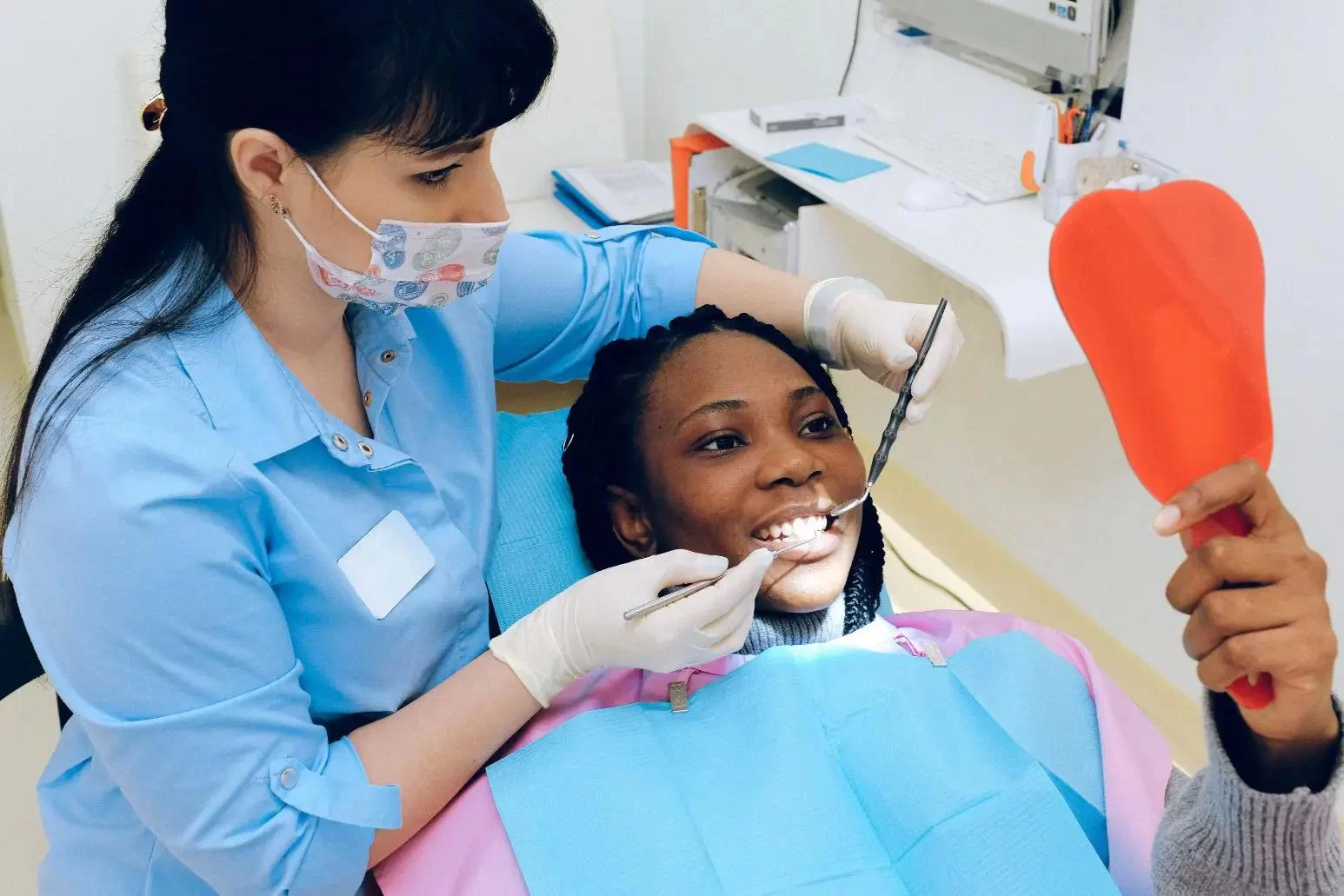
Preventive Dental Treatments: Essential Steps for Maintaining Oral Health
- 1. What Are Preventive Dental Treatments?
- 2. The Importance of Preventive Dental Treatments
- 3. Types of Preventive Dental Treatments
- 4. Benefits of Preventive Dental Treatments
- 5. Real-Life Examples of Preventive Dental Treatments
- 6. How to Incorporate Preventive Dental Care into Your Routine
1. What Are Preventive Dental Treatments?
Preventive dental treatments are measures taken to maintain good oral health and avoid dental problems before they occur. These treatments focus on stopping tooth decay, gum disease, and other oral health issues through regular care and professional interventions. By taking proactive steps, you can maintain a healthy smile and minimize the need for costly or invasive dental procedures later on.
Common preventive treatments include professional cleanings, fluoride treatments, sealants, and regular dental check-ups. These treatments are designed to help preserve the health of your teeth and gums, ensuring that any potential issues are caught early before they worsen.
2. The Importance of Preventive Dental Treatments
Preventive dental care plays a crucial role in overall health and wellness. Regular check-ups and treatments can help detect issues such as cavities, gum disease, and oral cancer at their earliest stages, when they are easier and less expensive to treat.
Moreover, preventive dental care is not just about maintaining a beautiful smile. It also contributes to better physical health, as poor oral health has been linked to various conditions like heart disease, diabetes, and even stroke. By investing in preventive treatments, you're taking care of more than just your teeth — you're protecting your overall health.
3. Types of Preventive Dental Treatments
1. Professional Cleanings
A professional cleaning involves the removal of plaque and tartar that builds up on your teeth over time. These cleanings are typically done every six months and are essential in preventing gum disease and cavities.
2. Fluoride Treatments
Fluoride treatments are applied to the teeth to help strengthen the enamel and make it more resistant to decay. This treatment is particularly beneficial for children and individuals who are at a higher risk of tooth decay.
3. Dental Sealants
Dental sealants are thin, protective coatings applied to the chewing surfaces of the back teeth. They help prevent cavities by protecting these areas from bacteria and plaque buildup.
4. Regular Check-Ups
Regular dental check-ups allow your dentist to examine your teeth, gums, and overall oral health. This helps catch any potential problems early, so they can be addressed before they cause significant damage.
4. Benefits of Preventive Dental Treatments
Preventive dental treatments provide numerous benefits, not just for your oral health but for your overall well-being. Here are some of the key advantages:
1. Reduces the Risk of Tooth Decay
By practicing preventive care, you significantly reduce the likelihood of developing cavities and tooth decay. Professional cleanings and fluoride treatments can help maintain the health of your teeth and gums, preventing costly and painful procedures later on.
2. Prevents Gum Disease
Gum disease is one of the leading causes of tooth loss, but it is entirely preventable with proper oral hygiene and regular dental visits. Preventive care helps keep your gums healthy and free from infection.
3. Saves Time and Money
Preventive dental treatments are generally less expensive than restorative treatments. By maintaining your oral health, you can avoid more complex procedures, saving both time and money in the long run.
4. Improves Overall Health
Good oral health is closely linked to overall health. By preventing oral health issues, you reduce the risk of developing serious systemic conditions such as heart disease, diabetes, and respiratory infections.
5. Real-Life Examples of Preventive Dental Treatments
Take the case of Jane, a 30-year-old woman who regularly visits her dentist for check-ups and cleanings. During a routine visit, her dentist identified early signs of gum disease, which was promptly treated with a deep cleaning. Thanks to her regular preventive care, Jane avoided more severe gum issues that could have led to tooth loss.
Another example is Tom, a 50-year-old man who decided to start using dental sealants to protect his back teeth. Over the years, Tom noticed fewer cavities and felt more confident about his oral health, proving the value of taking proactive steps to maintain a healthy mouth.
6. How to Incorporate Preventive Dental Care into Your Routine
Incorporating preventive dental care into your routine is easy and can be done in several ways:
1. Brush Twice a Day
Brushing your teeth twice a day with fluoride toothpaste is essential for removing plaque and preventing tooth decay.
2. Floss Daily
Flossing helps remove food particles and plaque from between your teeth and along the gum line, areas that are difficult to reach with a toothbrush.
3. Schedule Regular Check-Ups
Visit your dentist at least twice a year for professional cleanings and check-ups to detect potential problems early.
4. Use Mouthwash
Using an antimicrobial mouthwash can help reduce plaque buildup and keep your breath fresh.
5. Maintain a Healthy Diet
Eating a balanced diet that’s low in sugar and rich in vitamins can help promote good oral health and prevent cavities.
If you want to take control of your oral health and prevent future dental problems, consider incorporating these preventive treatments into your routine. For more information on maintaining a healthy smile, visit [Dentistry Toothtruth](https://familydentistryonline.net).






 Clove Dental Camarillo4.0 (225 review)
 Christopher Kragor, DMD5.0 (21 review)
 Dr. Susan E. Henrickson, DMD, FAGD0.0 (0 review)
 Smile Fixer RVA: Stacy Lukanuski DDS, D.B.A4.0 (249 review)
 Oral Surgery of Springfield3.0 (97 review)
 Shining Smiles Dentistry4.0 (433 review)
 The Importance of Oral Health Education During Pregnancy for a Healthy Pregnancy
 Best Tips for Brushing Your Teeth Properly for Healthy Gums: Essential Techniques for Oral Health
 Why Skipping Dental Checkups Can Lead to Bigger Oral Health Problems
 Advantages of Porcelain Dental Restorations
 How Can Diabetes Cause Tooth and Gum Problems? Preventing and Managing Oral Health Issues
 Healthy Habits for Promoting Good Oral Health and Hygiene: Tips for a Healthy Smile