
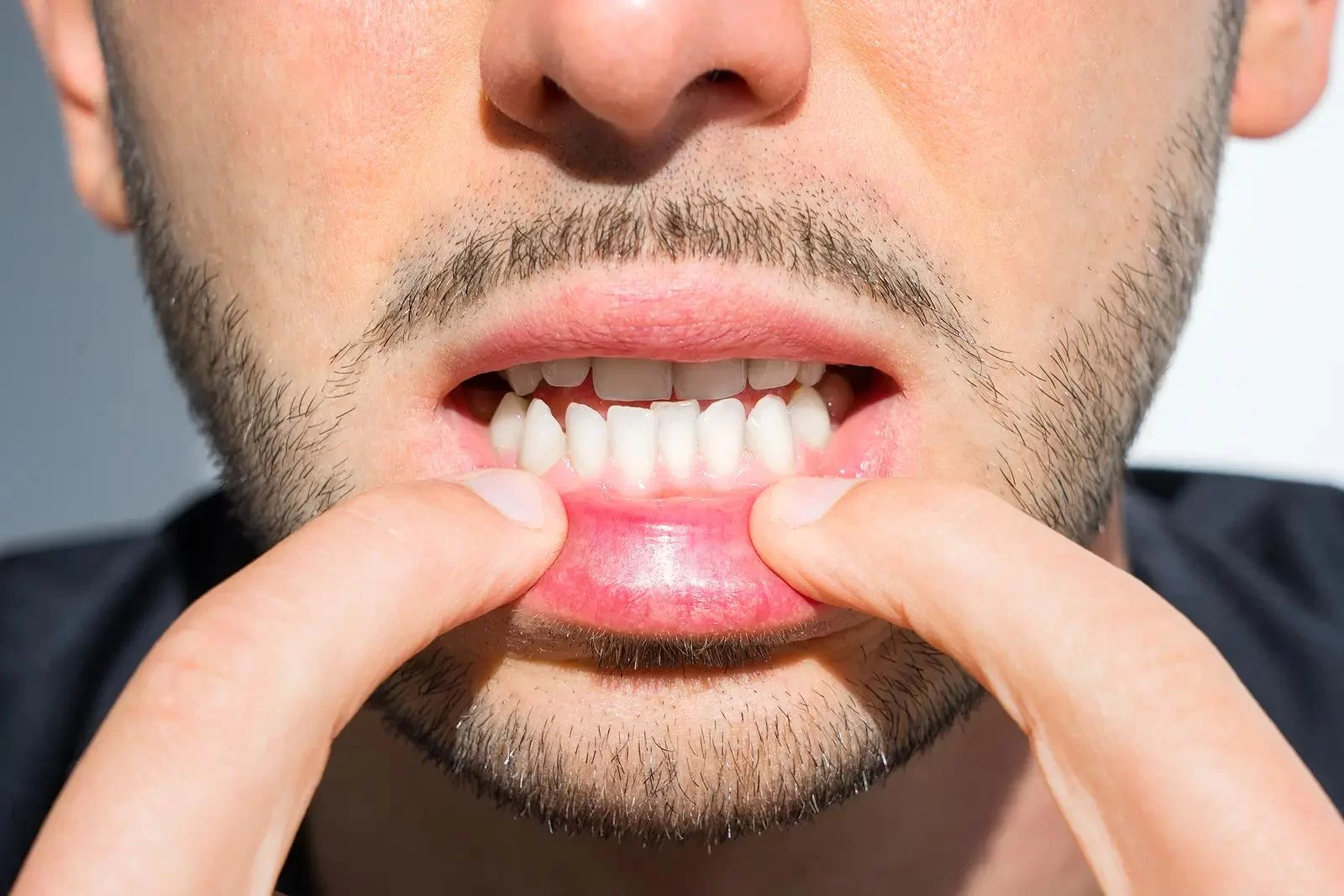
How to Prevent Tooth Loss Due to Gum Disease
- 1. Understanding Gum Disease and Its Impact on Tooth Loss
- 2. Early Signs of Gum Disease to Watch For
- 3. Importance of Proper Dental Hygiene in Preventing Tooth Loss
- 4. How to Treat Gum Disease Effectively Before It Leads to Tooth Loss
- 5. The Role of Professional Care in Gum Disease Prevention
- 6. Long-Term Care and Preventive Strategies for Healthy Teeth
1. Understanding Gum Disease and Its Impact on Tooth Loss
Gum disease, also known as periodontal disease, is a leading cause of tooth loss in adults. It starts as gingivitis, a mild form of gum disease, and can progress to a more severe infection that damages the soft tissue and bone supporting your teeth. If left untreated, gum disease can result in the loss of teeth, making it critical to understand how it affects your oral health.
The primary cause of gum disease is the buildup of plaque on teeth, a sticky, colorless film of bacteria. When plaque is not removed by brushing and flossing, it hardens into tartar, which irritates the gums and leads to inflammation. Over time, this can result in periodontal disease, which may result in tooth mobility and loss if not managed properly.
2. Early Signs of Gum Disease to Watch For
Recognizing the early signs of gum disease is crucial in preventing tooth loss. If caught early, gum disease can be treated effectively, preventing irreversible damage to your teeth and gums. Common early symptoms include:
- Red or swollen gums: Healthy gums should appear pink and firm, not red or swollen.
- Bleeding gums: Gums that bleed when you brush or floss can indicate gum disease.
- Bad breath: Persistent bad breath or a bad taste in your mouth could signal an infection.
- Receding gums: If your gums are pulling away from your teeth, it can indicate advanced gum disease.
If you notice any of these symptoms, it’s essential to take action immediately. Early intervention can help you prevent the progression to more severe gum disease, where tooth loss becomes a significant risk.
3. Importance of Proper Dental Hygiene in Preventing Tooth Loss
One of the most effective ways to prevent tooth loss due to gum disease is maintaining proper dental hygiene. Brushing, flossing, and regular dental visits are crucial in stopping the buildup of plaque and tartar, which are the primary culprits behind gum disease.
To keep your teeth and gums healthy, follow these best practices:
- Brush twice a day: Use fluoride toothpaste and a soft-bristled toothbrush to gently clean your teeth and gums.
- Floss daily: Flossing helps remove food particles and plaque from between your teeth and along the gum line, where a toothbrush might miss.
- Use an antimicrobial mouthwash: An antimicrobial rinse can help kill bacteria that cause gum disease.
- Eat a balanced diet: A healthy diet rich in vitamins and minerals supports gum health.
By committing to these habits, you can significantly reduce your risk of developing gum disease and the potential for tooth loss.
4. How to Treat Gum Disease Effectively Before It Leads to Tooth Loss
If you have already noticed symptoms of gum disease, it’s essential to seek treatment before the condition worsens. Professional cleanings, known as scaling and root planing, can remove tartar buildup and smooth the root surfaces to help your gums reattach to the teeth.
If your gum disease has progressed to a more severe stage, your dentist may recommend additional treatments such as:
- Antibiotics: These can be used to control infection and reduce bacteria in the mouth.
- Surgical procedures: In advanced cases, surgery may be necessary to restore damaged gums and bone structure.
- Laser therapy: Laser treatments can target infected tissues and promote healing with less discomfort than traditional surgery.
Early intervention is key, so don’t wait until your symptoms worsen. If left untreated, gum disease can progress to a stage where tooth loss becomes inevitable.
5. The Role of Professional Care in Gum Disease Prevention
Regular visits to the dentist play a significant role in preventing tooth loss due to gum disease. Professional cleanings allow your dentist to remove tartar and plaque that accumulate below the gumline, areas that are difficult to clean at home.
Your dentist will also check for signs of gum disease and offer personalized advice on maintaining your oral health. If necessary, your dentist can recommend additional treatments or refer you to a periodontist, a specialist in gum disease and its treatment.
By staying on top of your dental appointments, you can catch gum disease early and prevent tooth loss before it becomes a serious issue.
6. Long-Term Care and Preventive Strategies for Healthy Teeth
Preventing tooth loss due to gum disease is a long-term commitment that requires consistent care. Apart from daily brushing and flossing, consider these additional steps to maintain your oral health:
- Quit smoking: Smoking is a significant risk factor for gum disease. Quitting can drastically improve your gum health.
- Monitor your health: Conditions like diabetes can increase your risk for gum disease, so managing these health issues can help preserve your teeth.
- Stay hydrated: Drinking plenty of water can help wash away food particles and bacteria, supporting gum health.
By incorporating these habits into your lifestyle, you can enjoy healthy teeth and gums for years to come, significantly reducing your risk of tooth loss due to gum disease.






 California Dental4.0 (210 review)
 Worcester Dentist - Union Dental - MA4.0 (218 review)
 Peach Tree Dental4.0 (330 review)
 Kathleen Thieu, DDS, MS4.0 (16 review)
 Silvana Cumani DMD & Associates PC3.0 (64 review)
 Reflections Dental Care4.0 (231 review)
 The Importance of Oral Health Education During Pregnancy for a Healthy Pregnancy
 Best Tips for Brushing Your Teeth Properly for Healthy Gums: Essential Techniques for Oral Health
 Why Skipping Dental Checkups Can Lead to Bigger Oral Health Problems
 Advantages of Porcelain Dental Restorations
 How Can Diabetes Cause Tooth and Gum Problems? Preventing and Managing Oral Health Issues
 Healthy Habits for Promoting Good Oral Health and Hygiene: Tips for a Healthy Smile