
Post-Operative Care for Oral Surgery Patients
- 1. Preparing for Oral Surgery
- 2. Immediate Post-Surgery Care
- 3. Managing Pain and Swelling
- 4. Maintaining Oral Hygiene During Recovery
- 5. When to See a Dentist for Follow-up Care
1. Preparing for Oral Surgery
Before undergoing oral surgery, it's important to understand what to expect and prepare for your recovery. Ensure that you follow all the instructions provided by your dentist or oral surgeon for a smooth procedure and optimal healing.
- Dietary Restrictions: You may be advised to avoid certain foods or beverages before your surgery, depending on the type of procedure being performed. Clear liquids and soft foods might be recommended post-surgery.
- Medication: Inform your dentist of any current medications you’re taking. Your dentist may adjust prescriptions or provide antibiotics to prevent infection.
- Support: Arrange for someone to drive you home after surgery, as you might still feel groggy from anesthesia.
2. Immediate Post-Surgery Care
Once the procedure is over, proper care during the initial hours and days is critical for a successful recovery. Your oral surgeon will provide specific instructions, but here are some general guidelines:
- Rest: Take it easy and avoid strenuous activity. Resting helps your body focus on healing.
- Cold Compress: Apply a cold compress to the affected area to help reduce swelling and alleviate discomfort.
- Keep Your Head Elevated: Try to sleep with your head elevated to reduce swelling.
3. Managing Pain and Swelling
Managing pain and swelling is a key part of recovery after oral surgery. While some discomfort is normal, here are a few tips to make your recovery smoother:
- Pain Medication: Take the prescribed pain medication as directed. Don’t wait for pain to become severe before taking medication.
- Swelling: Ice packs should be applied for the first 24 hours to minimize swelling. Afterward, you can switch to a warm compress if needed.
- Hydration and Rest: Drink plenty of water and make sure to get enough rest to support your body’s healing process.
4. Maintaining Oral Hygiene During Recovery
Maintaining proper oral hygiene is crucial, even during the recovery period. However, you must be gentle to avoid irritating the surgical site:
- Brushing: Use a soft-bristled toothbrush and avoid brushing the surgical area for a few days.
- Saltwater Rinse: After the first 24 hours, rinse your mouth gently with a saltwater solution to help keep the area clean and promote healing.
- Avoid Straws: Do not use straws as the suction can disrupt the healing tissue.
5. When to See a Dentist for Follow-up Care
Regular follow-up appointments with your dentist are essential to ensure that your healing process is progressing well. Most patients will need to schedule a check-up about a week after surgery. However, there are signs that indicate you should seek help immediately:
- Excessive Bleeding: If bleeding doesn’t stop within a few hours or worsens, contact your dentist immediately.
- Severe Pain: While some discomfort is normal, severe pain that doesn’t respond to medication may indicate a complication.
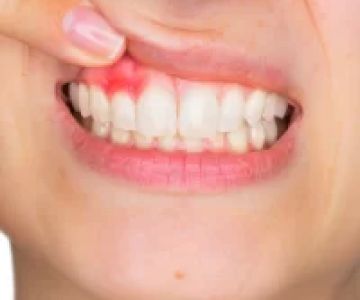
- Signs of Infection: Look for symptoms like fever, excessive swelling, or pus. These are signs that you may need an antibiotic treatment or further intervention.
Ensuring proper care after oral surgery is vital for the best possible outcome. If you're looking for more information on oral surgery recovery or need expert dental advice, visit Dentistry Toothtruth for further details.
OLD Keywords: Post-operative care for oral surgery patients, oral surgery recovery tips, dental post-op careSEO Title: Post-Operative Care for Oral Surgery PatientsSEO Keywords: Post-operative care for oral surgery patients, oral surgery recovery tips, dental post-op careSEO Description: Learn the essential post-operative care steps for oral surgery patients, including pain management, oral hygiene tips, and when to contact your dentist for follow-up care.
 Kellyn Hodges Orthodontics4.0 (301 review)
 Shiney Smiles Orthodontics5.0 (165 review)
 Da Vinci Dental Specialists4.0 (312 review)
 Dentists of South Pasadena4.0 (124 review)
 Manhattan Dental Arts4.0 (394 review)
 Dental Playground3.0 (35 review)
 The Importance of Oral Health Education During Pregnancy for a Healthy Pregnancy
 Best Tips for Brushing Your Teeth Properly for Healthy Gums: Essential Techniques for Oral Health
 Why Skipping Dental Checkups Can Lead to Bigger Oral Health Problems
 Advantages of Porcelain Dental Restorations
 How Can Diabetes Cause Tooth and Gum Problems? Preventing and Managing Oral Health Issues
 Healthy Habits for Promoting Good Oral Health and Hygiene: Tips for a Healthy Smile