
What is Periodontics?
Periodontics is a branch of dentistry focused on the prevention, diagnosis, and treatment of diseases that affect the gums and supporting structures of the teeth. The term 'periodontics' comes from the word "periodontium," which refers to the tissues that surround and support the teeth. These include the gums, the bone that holds the teeth in place, and the ligaments that connect the teeth to the bone.
Periodontics not only plays a crucial role in treating gum diseases like gingivitis and periodontitis but also helps in preventing issues like teeth shifting, which can be a common consequence of gum disease or other dental problems.
Causes of Teeth Shifting
Teeth shifting can occur due to a variety of factors. Here are some of the most common causes:
- Gum Disease: Gum disease can cause the gums to recede and the supporting bone to weaken, leading to teeth becoming loose and shifting.
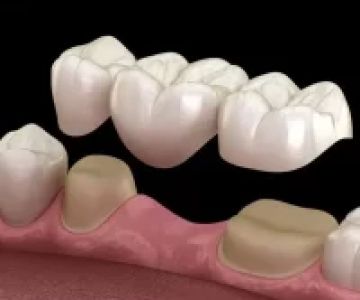
- Tooth Loss: When teeth are lost and not replaced, the surrounding teeth can shift to fill the gap.
- Bruxism (Teeth Grinding): Grinding your teeth can apply excessive pressure on the teeth and lead to shifting over time.
- Improper Bite: A misaligned bite can lead to uneven pressure on the teeth, which can cause them to shift.
The Role of Periodontics in Teeth Shifting Prevention
Periodontics plays a vital role in preventing teeth shifting by addressing the root causes of gum disease and maintaining the health of the supporting structures of the teeth. Here's how:
- Gum Health Maintenance: Periodontists provide treatments that ensure the gums remain healthy, preventing receding gums and subsequent tooth shifting.
- Bone Preservation: Periodontists can treat bone loss, which is crucial for maintaining a stable foundation for the teeth.
- Preventive Care: Periodontists help patients maintain optimal oral hygiene practices to prevent gum disease and tooth loss, which can lead to shifting teeth.
Effective Prevention Techniques in Periodontics
Preventing teeth shifting requires a combination of professional treatments and at-home care. Some of the most effective prevention techniques include:
- Regular Check-ups: Regular visits to the periodontist for professional cleanings and check-ups can help identify early signs of gum disease or other dental issues that may lead to shifting teeth.
- Proper Oral Hygiene: Brushing and flossing daily helps prevent gum disease and tooth decay, both of which can cause teeth to shift.
- Orthodontics: In cases of significant shifting, orthodontic treatment like braces or clear aligners can be used to realign the teeth and prevent further shifting.
- Night Guards: If bruxism is contributing to shifting, wearing a night guard can help protect the teeth from the damaging effects of grinding and clenching.
Real-life Examples and Case Studies
Many patients have successfully prevented teeth shifting through the guidance of their periodontist. For example, Sarah, a 32-year-old woman, noticed her teeth gradually shifting over time. After visiting a periodontist, she was diagnosed with gum disease and treated with scaling and root planing. Her dentist also recommended a custom-made night guard to prevent further damage from teeth grinding. With regular care, Sarah's shifting stopped, and her smile was restored to its original position.
These real-life examples show that with the right preventive care, it is possible to avoid the complications of teeth shifting and maintain a healthy smile for years to come.
Conclusion and How to Get Started
Preventing teeth shifting is crucial for maintaining both your oral health and the appearance of your smile. Periodontics offers effective solutions to prevent shifting by addressing the root causes such as gum disease, bone loss, and improper bite. By working with a periodontist, you can ensure your teeth stay stable and well-aligned.
If you're concerned about teeth shifting or want to learn more about preventive periodontic treatments, visit Dentistry Toothtruth to explore more solutions and find a periodontist near you who can help maintain your smile.

 American Family Care P.C4.0 (271 review)
 Dr. Eddie C. Chen, DMD & Associates5.0 (12 review)
 Dr. Aaron M. Shearman4.0 (14 review)
 Millennium Park Smiles4.0 (179 review)
 Dental Solutions of Northboro5.0 (36 review)
 Wasatch Dental & Surgical Center5.0 (311 review)
 The Importance of Oral Health Education During Pregnancy for a Healthy Pregnancy
 Best Tips for Brushing Your Teeth Properly for Healthy Gums: Essential Techniques for Oral Health
 Why Skipping Dental Checkups Can Lead to Bigger Oral Health Problems
 Advantages of Porcelain Dental Restorations
 How Can Diabetes Cause Tooth and Gum Problems? Preventing and Managing Oral Health Issues
 Healthy Habits for Promoting Good Oral Health and Hygiene: Tips for a Healthy Smile