
Oral Hygiene Recommendations: Effective Tips for Maintaining Healthy Teeth and Gums
- The Importance of Oral Hygiene
- Basic Oral Hygiene Tips
- Advanced Oral Hygiene Strategies
- Common Mistakes to Avoid in Oral Care
- How to Choose the Right Dental Products
The Importance of Oral Hygiene
Oral hygiene is crucial not only for maintaining healthy teeth and gums but also for overall health. Poor oral hygiene can lead to a variety of dental issues such as cavities, gum disease, and tooth loss. Additionally, there’s a growing body of evidence that suggests oral health is linked to broader health issues, including heart disease and diabetes.
By adopting good oral hygiene practices, you can significantly reduce your risk of developing these conditions and enjoy a healthy smile throughout your life. Regular brushing, flossing, and visits to the dentist are essential for keeping your mouth in top condition.
Basic Oral Hygiene Tips
Good oral hygiene starts with simple daily habits that ensure your teeth and gums stay clean and healthy. Here are some fundamental tips to incorporate into your routine:
- Brush twice a day: Brush your teeth for at least two minutes, using fluoride toothpaste. Make sure to brush all surfaces of your teeth and don't forget your tongue.
- Floss daily: Flossing helps remove plaque and food particles between your teeth that your toothbrush can’t reach. It’s essential for preventing gum disease.
- Use mouthwash: Mouthwash can help kill bacteria, freshen your breath, and provide extra protection against plaque buildup.
- Visit the dentist regularly: Regular dental checkups are key to catching potential issues early and ensuring your oral health is on track. Schedule an appointment every six months.
Advanced Oral Hygiene Strategies
While basic oral care is essential, there are also advanced strategies that can enhance your oral hygiene routine. These strategies are especially beneficial for individuals with specific dental concerns or for those looking to take their oral health to the next level:
- Electric toothbrushes: Using an electric toothbrush can be more effective at removing plaque than a manual toothbrush, especially for those who struggle with proper brushing technique.
- Interdental brushes: These small brushes are designed to clean between your teeth, which can be more effective than flossing for some people.
- Dental sealants: For extra protection, dental sealants can be applied to the chewing surfaces of your back teeth to prevent cavities.
- Fluoride treatments: If you're prone to cavities, fluoride treatments can help strengthen your enamel and protect your teeth from decay.
Common Mistakes to Avoid in Oral Care
Many people unknowingly make mistakes that can harm their oral health. Here are some common mistakes to avoid:
- Brushing too hard: Brushing your teeth with excessive force can damage your enamel and gums. Use gentle, circular motions instead.
- Skipping flossing: Neglecting to floss allows plaque to build up between your teeth, which can lead to cavities and gum disease.
- Using a worn-out toothbrush: A frayed toothbrush is less effective at cleaning your teeth. Replace your toothbrush every 3 to 4 months.
- Not visiting the dentist: Skipping regular dental checkups can allow problems to go unnoticed until they become more severe.
How to Choose the Right Dental Products
Choosing the right dental products is crucial for maintaining optimal oral hygiene. With so many options on the market, it can be overwhelming to know where to start. Here are some tips for selecting the best products for your oral health:
- Look for ADA approval: Always choose toothbrushes, toothpaste, and mouthwash that are approved by the American Dental Association (ADA) for quality and safety.
- Consider your needs: If you have sensitive teeth, choose toothpaste designed for sensitivity. If you’re prone to cavities, look for toothpaste with fluoride and enamel protection.
- Consult with your dentist: Your dentist can recommend products based on your specific oral health needs, such as electric toothbrushes or specialized flossing tools.
For more expert advice and product recommendations, visit Dentistry Toothtruth, where you can find detailed product reviews and dental care tips.






 Helene M. Dolce, DDS4.0 (136 review)
 Midwest Dental - Eagan4.0 (150 review)
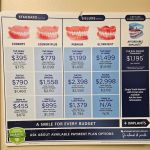 Affordable Dentures & Implants4.0 (757 review)
 Lightfoot Center for Laser Periodontics5.0 (69 review)
 Babylon Dental Care4.0 (388 review)
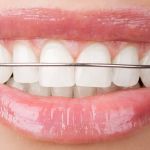 Ernstberger Orthodontics5.0 (326 review)
 The Importance of Oral Health Education During Pregnancy for a Healthy Pregnancy
 Best Tips for Brushing Your Teeth Properly for Healthy Gums: Essential Techniques for Oral Health
 Why Skipping Dental Checkups Can Lead to Bigger Oral Health Problems
 Advantages of Porcelain Dental Restorations
 How Can Diabetes Cause Tooth and Gum Problems? Preventing and Managing Oral Health Issues
 Healthy Habits for Promoting Good Oral Health and Hygiene: Tips for a Healthy Smile