
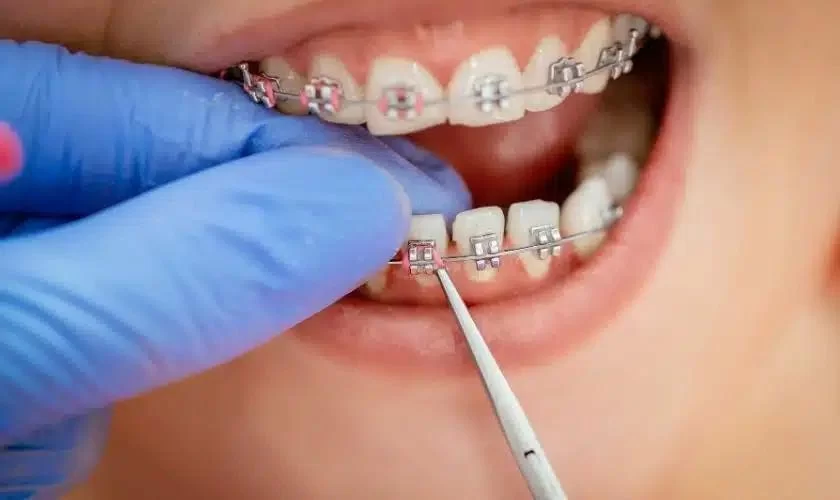
Oral Hygiene for Braces: Essential Tips for a Healthy Smile
- 1. The Importance of Oral Hygiene for Braces
- 2. Common Challenges with Braces Care
- 3. Effective Brushing and Flossing Techniques for Braces
- 4. Additional Tools for Maintaining Oral Hygiene
- 5. How to Avoid Complications with Braces
1. The Importance of Oral Hygiene for Braces
Maintaining proper oral hygiene is crucial for anyone with braces. Braces are a fantastic way to straighten your teeth and improve your smile, but they also come with additional responsibilities when it comes to oral care. The brackets and wires in braces can trap food particles and plaque, which can lead to tooth decay, gum disease, and other complications if not cleaned properly.
Not only do braces require extra effort, but poor oral hygiene can also slow down the progress of treatment. It's essential to prevent any delays in your orthodontic treatment by maintaining healthy gums and teeth. By following a good oral hygiene routine, you can ensure a healthier smile after your braces are removed.
2. Common Challenges with Braces Care
Braces introduce unique challenges for maintaining oral hygiene. Here are some common issues you might face:
1. Difficulty Reaching All Areas of the Teeth
The brackets and wires can make it more difficult to reach certain areas of your teeth, which means food particles and plaque can build up in those hard-to-reach spots. Without proper cleaning, this can lead to cavities or gum problems.
2. Increased Risk of Plaque Build-Up
The brackets themselves can trap plaque, which can harden into tartar if not properly cleaned. Plaque build-up is a major cause of gum disease and tooth decay, making it essential to follow a strict oral hygiene regimen.
3. Gum Irritation and Sensitivity
Braces can sometimes cause irritation to the gums, especially during the initial adjustment period. This can make it more challenging to brush and floss comfortably. However, this discomfort is temporary, and with consistent care, it will subside.
3. Effective Brushing and Flossing Techniques for Braces
To keep your teeth and gums healthy while wearing braces, it’s important to brush and floss effectively:
1. Brush Your Teeth After Every Meal
Brushing your teeth after every meal is essential for preventing food particles from getting trapped in your braces. Use a soft-bristled toothbrush and fluoride toothpaste, and make sure to brush gently but thoroughly. Pay extra attention to the areas around the brackets and wires.
2. Use an Interdental Brush
An interdental brush is a small brush designed to clean between the braces and along the gumline. This tool is especially helpful for getting into areas that are hard to reach with a regular toothbrush.
3. Floss Regularly with Special Tools
Flossing with braces can be a challenge, but it’s still an essential part of your oral hygiene routine. Use orthodontic floss threaders or floss picks to help you get underneath the wires. This will help you clean areas that are otherwise difficult to reach and remove plaque buildup.
4. Additional Tools for Maintaining Oral Hygiene
In addition to regular brushing and flossing, there are several other tools that can help you maintain oral hygiene with braces:
1. Mouthwash
Using a fluoride mouthwash can help reduce plaque and strengthen tooth enamel. Choose a mouthwash without alcohol to avoid irritating sensitive gums.
2. Water Bottle
Drinking water throughout the day can help rinse away food particles and bacteria. Carry a water bottle with you so you can keep your mouth fresh and clean between brushing sessions.
3. Orthodontic Wax
If your braces cause irritation to the inside of your cheeks or lips, orthodontic wax can provide relief. Simply apply the wax to any sharp edges of your braces to prevent discomfort.
5. How to Avoid Complications with Braces
Proper oral hygiene not only helps you maintain a healthy smile but also reduces the risk of complications like cavities, gum disease, and stained teeth. Here are some key strategies:
1. Avoid Sticky and Hard Foods
Sticky foods like caramel and chewy candy can get stuck in your braces, making it harder to clean your teeth effectively. Similarly, hard foods like nuts and popcorn can damage the brackets and wires. Stick to softer foods that are easier on your braces.
2. Stay Consistent with Your Routine
The key to maintaining oral hygiene with braces is consistency. Stick to your brushing and flossing schedule, and make sure to check in with your orthodontist for regular adjustments and cleanings.
3. Regular Check-Ups
Visit your orthodontist regularly to ensure your braces are in good condition and that your treatment is progressing as planned. If you experience any problems, such as discomfort or broken brackets, make an appointment as soon as possible.
Maintaining proper oral hygiene while wearing braces is essential for achieving a healthy and beautiful smile. For more expert advice on braces care, visit [Dentistry Toothtruth](https://familydentistryonline.net). We offer helpful tips and product recommendations to help you maintain optimal oral health throughout your orthodontic treatment.






 Clove Dental Camarillo4.0 (225 review)
 Christopher Kragor, DMD5.0 (21 review)
 Dr. Susan E. Henrickson, DMD, FAGD0.0 (0 review)
 Smile Fixer RVA: Stacy Lukanuski DDS, D.B.A4.0 (249 review)
 Oral Surgery of Springfield3.0 (97 review)
 Shining Smiles Dentistry4.0 (433 review)
 The Importance of Oral Health Education During Pregnancy for a Healthy Pregnancy
 Best Tips for Brushing Your Teeth Properly for Healthy Gums: Essential Techniques for Oral Health
 Why Skipping Dental Checkups Can Lead to Bigger Oral Health Problems
 Advantages of Porcelain Dental Restorations
 How Can Diabetes Cause Tooth and Gum Problems? Preventing and Managing Oral Health Issues
 Healthy Habits for Promoting Good Oral Health and Hygiene: Tips for a Healthy Smile