
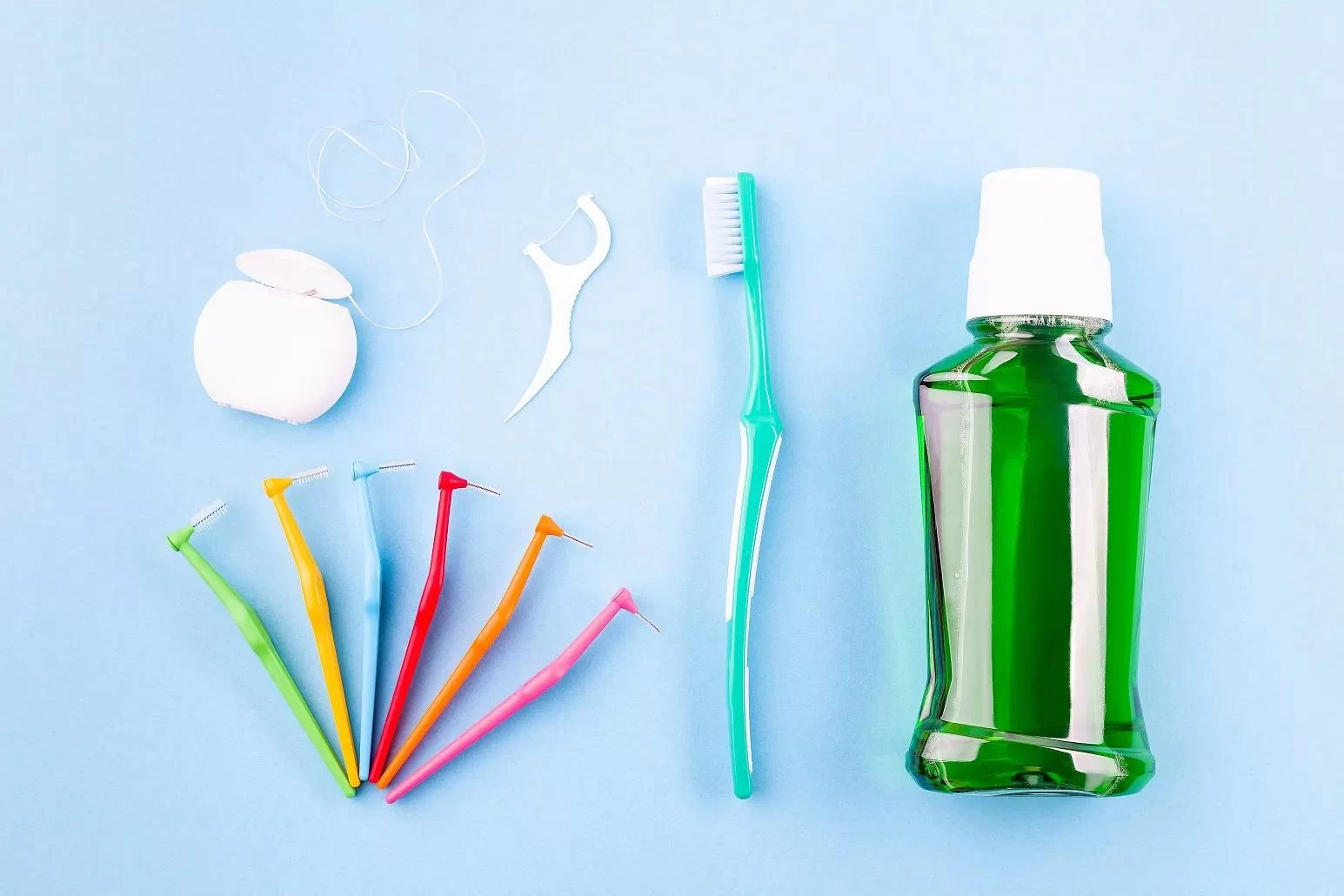
Oral Hygiene Equipment: Essential Tools for Maintaining a Healthy Smile
- 1. The Importance of Oral Hygiene
- 2. Types of Oral Hygiene Equipment
- 3. Choosing the Right Oral Hygiene Tools
- 4. Common Mistakes in Oral Hygiene
- 5. Maintaining an Effective Oral Health Routine
1. The Importance of Oral Hygiene
Good oral hygiene is the cornerstone of maintaining healthy teeth and gums. Brushing, flossing, and using the right oral hygiene equipment can significantly reduce the risk of dental problems, such as cavities, gum disease, and bad breath. The American Dental Association (ADA) recommends using the proper tools and techniques to keep your mouth clean and healthy. Oral hygiene not only affects your smile but also has a significant impact on your overall health.
Inadequate oral care can lead to severe consequences, including tooth loss and chronic infections. By investing in quality oral hygiene equipment and committing to a daily routine, you are setting yourself up for long-term dental success.
2. Types of Oral Hygiene Equipment
There are several essential tools for maintaining optimal oral hygiene. Here's a breakdown of the most common types of oral hygiene equipment:
1. Toothbrushes
A toothbrush is the most basic and essential tool for cleaning your teeth. Electric toothbrushes, with their vibrating or rotating heads, have been proven to remove plaque more effectively than manual brushes. If you prefer a manual brush, make sure to choose one with soft bristles to avoid damaging your gums.
2. Toothpaste
Choosing the right toothpaste is also crucial for effective oral care. Toothpaste with fluoride helps protect your teeth from cavities, while whitening toothpaste can help keep your smile bright. Consider consulting with your dentist to find the best toothpaste for your needs.
3. Dental Floss
Flossing is an essential step in removing plaque and food particles from between your teeth and along the gumline. Regular flossing helps prevent gum disease and cavities that can form in areas that a toothbrush can't reach.
4. Mouthwash
Mouthwash is a convenient and effective way to kill bacteria in your mouth, reduce plaque, and freshen your breath. It’s important to choose a mouthwash that suits your specific needs, such as one that targets gum disease or provides extra fluoride protection.
5. Tongue Scrapers
The tongue can harbor bacteria and food particles, which contribute to bad breath. A tongue scraper can help you remove these particles, ensuring your mouth stays fresh and clean.
3. Choosing the Right Oral Hygiene Tools
Choosing the right oral hygiene equipment is essential to maintain good oral health. When selecting your tools, consider the following factors:
1. Bristle Type
For toothbrushes, always opt for soft bristles. Hard bristles can irritate your gums and cause recession over time. Additionally, electric toothbrushes may offer more effective plaque removal, making them an excellent option for those looking to improve their brushing technique.
2. Personal Needs
Consider any personal dental needs, such as sensitive teeth or orthodontic appliances. If you have braces or other dental work, be sure to choose flossers and brushes that are specifically designed for those situations. You may also want to select a toothpaste formulated for sensitive teeth if that’s an issue for you.
3. ADA Seal of Approval
Look for oral hygiene products that bear the ADA Seal of Approval. This certification ensures that the product has been tested and meets the standards for safety and effectiveness.
4. Common Mistakes in Oral Hygiene
Even with the right equipment, many people make mistakes that hinder their oral health. Here are some common mistakes to avoid:
1. Brushing Too Hard
Brushing with excessive force can damage your gums and enamel. Instead, use gentle strokes and focus on brushing for at least two minutes, ensuring you reach all areas of your mouth.
2. Skipping Flossing
Flossing is often overlooked, but it’s essential for removing plaque from areas that a toothbrush can’t reach. Skipping this step increases your risk of gum disease and cavities between your teeth.
3. Using Expired Products
Check expiration dates on your oral hygiene products, such as toothpaste and mouthwash. Expired products may lose their effectiveness and could even harm your teeth and gums.
5. Maintaining an Effective Oral Health Routine
To ensure long-lasting oral health, it’s essential to follow a consistent and effective routine:
1. Brush Twice a Day
Brushing your teeth twice a day with fluoride toothpaste is the foundation of good oral hygiene. Be sure to brush in gentle circular motions to avoid damaging your gums.
2. Floss Daily
Flossing once a day is crucial for maintaining healthy gums and preventing cavities between your teeth. Be sure to use a gentle motion to avoid injuring your gums.
3. Regular Dental Visits
Schedule regular check-ups with your dentist to ensure your oral hygiene routine is working effectively. Your dentist can identify potential problems early and offer advice on improving your dental care routine.
For more information on oral hygiene equipment and expert advice on maintaining a healthy smile, visit [Dentistry Toothtruth](https://familydentistryonline.net). We offer a wide range of dental products and services to support your oral health journey.






 Implant and Comprehensive Dentistry of Naples0.0 (0 review)
 St. Bernard Hospital Dental Center3.0 (44 review)
 RiverRock Dental4.0 (157 review)
 Monarch Dental & Orthodontics4.0 (557 review)
 The Center for Pediatric Dental Care & Orthodontics4.0 (231 review)
 Total Care Dental4.0 (90 review)
 The Importance of Oral Health Education During Pregnancy for a Healthy Pregnancy
 Best Tips for Brushing Your Teeth Properly for Healthy Gums: Essential Techniques for Oral Health
 Why Skipping Dental Checkups Can Lead to Bigger Oral Health Problems
 Advantages of Porcelain Dental Restorations
 How Can Diabetes Cause Tooth and Gum Problems? Preventing and Managing Oral Health Issues
 Healthy Habits for Promoting Good Oral Health and Hygiene: Tips for a Healthy Smile