
Oral Health and Heart Disease: Understanding the Connection
- 1. What Is Oral Health?
- 2. The Link Between Oral Health and Heart Disease
- 3. How Poor Oral Health Can Affect Heart Health
- 4. Maintaining Good Oral Health for Heart Wellness
- 5. Recent Studies and Real-Life Cases on Oral Health and Heart Disease
1. What Is Oral Health?
Oral health refers to the overall health of your mouth, teeth, gums, and related structures. It involves maintaining clean teeth, healthy gums, and a well-functioning mouth. Proper oral health care includes regular brushing, flossing, professional dental check-ups, and avoiding harmful habits such as smoking or excessive alcohol consumption. Healthy teeth and gums not only contribute to a bright smile but also play an essential role in overall body health.
2. The Link Between Oral Health and Heart Disease
There is growing evidence suggesting a strong connection between oral health and heart disease. Studies have shown that poor oral hygiene and untreated dental issues, such as gum disease, can increase the risk of developing heart disease. The bacteria found in the mouth can enter the bloodstream, causing inflammation and potentially contributing to plaque buildup in the arteries, which is a key factor in heart disease.
The relationship between oral health and heart disease is still being studied, but researchers believe that the inflammation caused by gum disease may trigger processes that lead to heart problems. This connection highlights the importance of maintaining good oral hygiene for overall cardiovascular health.
3. How Poor Oral Health Can Affect Heart Health
Poor oral health can lead to a number of conditions that may affect heart health:
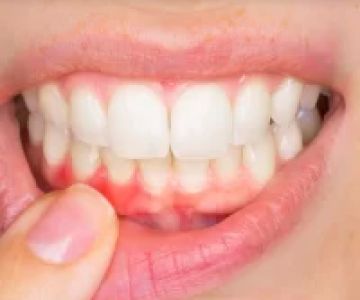
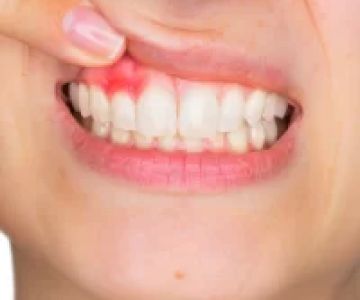
- Gum Disease: Gum disease, or periodontitis, is a chronic infection of the gums that can cause them to recede, leading to tooth loss. The bacteria responsible for gum disease can enter the bloodstream, potentially leading to inflammation in the heart's arteries, which may contribute to heart disease.
- Inflammation: The inflammation caused by oral bacteria can affect blood vessels and increase the risk of atherosclerosis, a condition where fatty deposits clog the arteries, leading to heart attacks or strokes.
- Increased Risk of Blood Clots: Bacteria from the mouth can contribute to blood clot formation, which can then travel to the heart, increasing the risk of a heart attack or other serious cardiovascular events.
Therefore, maintaining good oral health is an important step in reducing the risk of heart disease and ensuring overall well-being.
4. Maintaining Good Oral Health for Heart Wellness
To protect both your oral and heart health, it’s essential to incorporate healthy habits into your daily routine. Here are some key practices for maintaining good oral health:
- Brush and Floss Regularly: Brush your teeth at least twice a day and floss daily to remove plaque and prevent gum disease. Use fluoride toothpaste to help protect your teeth from decay.
- Visit the Dentist Regularly: Schedule regular dental check-ups to catch potential issues early and maintain a healthy mouth. Your dentist can also check for signs of gum disease or other oral health problems that may impact heart health.
- Avoid Tobacco and Limit Alcohol: Smoking and excessive drinking can contribute to oral health issues like gum disease and tooth decay, which in turn affect heart health. Reducing or eliminating these habits can greatly improve your overall health.
By following these practices, you can ensure that your oral health is in top condition, which may also help protect your heart from potential risks.
5. Recent Studies and Real-Life Cases on Oral Health and Heart Disease
Recent research has further cemented the connection between oral health and heart disease. A large-scale study published in the Journal of the American Heart Association found that individuals with gum disease are more likely to develop heart disease than those with healthy gums. Other studies have linked chronic gum infections with an increased risk of high blood pressure, stroke, and heart attack.
In real-life cases, patients with poor oral hygiene have been seen to experience improvements in their heart health after undergoing treatment for gum disease. By reducing inflammation in the mouth, some individuals have noticed lower blood pressure and a decrease in other cardiovascular risks.
This growing body of evidence underscores the importance of maintaining both oral health and heart health for a longer, healthier life. If you’re concerned about your oral health and its potential impact on your heart, consult with a healthcare professional or dentist for personalized advice.




 Papania Family Dentistry4.0 (166 review)
 McElroy Pediatric Dentistry4.0 (234 review)
 Rick Lacuesta, DDS2.0 (4 review)
 Think Better Life - Orofacial Pain, TMJ & Sleep Disorder Solutions Chicago4.0 (11 review)
 Dentistry at 1818 Market Street4.0 (686 review)
 Graylyn Dental4.0 (681 review)
 The Importance of Oral Health Education During Pregnancy for a Healthy Pregnancy
 Best Tips for Brushing Your Teeth Properly for Healthy Gums: Essential Techniques for Oral Health
 Why Skipping Dental Checkups Can Lead to Bigger Oral Health Problems
 Advantages of Porcelain Dental Restorations
 How Can Diabetes Cause Tooth and Gum Problems? Preventing and Managing Oral Health Issues
 Healthy Habits for Promoting Good Oral Health and Hygiene: Tips for a Healthy Smile