
Oral Care Tools for Sensitive Teeth: How to Choose the Right Products for Comfort and Care
- 1. Understanding Sensitive Teeth
- 2. Common Causes of Tooth Sensitivity
- 3. Essential Oral Care Tools for Sensitive Teeth
- 4. Choosing the Right Toothbrush for Sensitive Teeth
- 5. Best Toothpastes for Sensitive Teeth
- 6. Flossing and Mouthwash Options for Sensitive Teeth
- 7. Real-Life Experiences and Tips for Sensitive Teeth
1. Understanding Sensitive Teeth
Tooth sensitivity, a condition where your teeth react sharply to hot, cold, or even sweet foods, is a common issue for many people. Sensitive teeth can make eating, drinking, and brushing a painful experience. If you're dealing with sensitive teeth, it’s essential to find the right oral care tools to help alleviate the discomfort while maintaining good dental hygiene.
This article will guide you through the best oral care tools for sensitive teeth, including toothbrushes, toothpaste, and other products designed to reduce sensitivity and improve your oral health.
2. Common Causes of Tooth Sensitivity
Before choosing the right tools for sensitive teeth, it's essential to understand what causes tooth sensitivity. There are several factors that can contribute to this uncomfortable condition:
1. Enamel Erosion
The protective enamel on your teeth wears down over time, exposing the sensitive areas of your teeth. Enamel erosion is one of the most common causes of sensitivity.
2. Gum Recession
When your gums recede, the sensitive roots of your teeth are exposed. This can lead to a sharp, painful sensation when eating or drinking.
3. Tooth Decay or Cavities
Cavities or other forms of tooth decay can create openings in your enamel, allowing cold or hot temperatures to affect the nerves inside the tooth, resulting in sensitivity.
4. Teeth Grinding
Grinding your teeth, often during sleep, can wear down the enamel and cause increased sensitivity over time.
3. Essential Oral Care Tools for Sensitive Teeth
Managing tooth sensitivity requires the right oral care tools. The following tools are specifically designed to provide comfort and reduce sensitivity while maintaining excellent oral hygiene:
1. Soft-Bristled Toothbrush
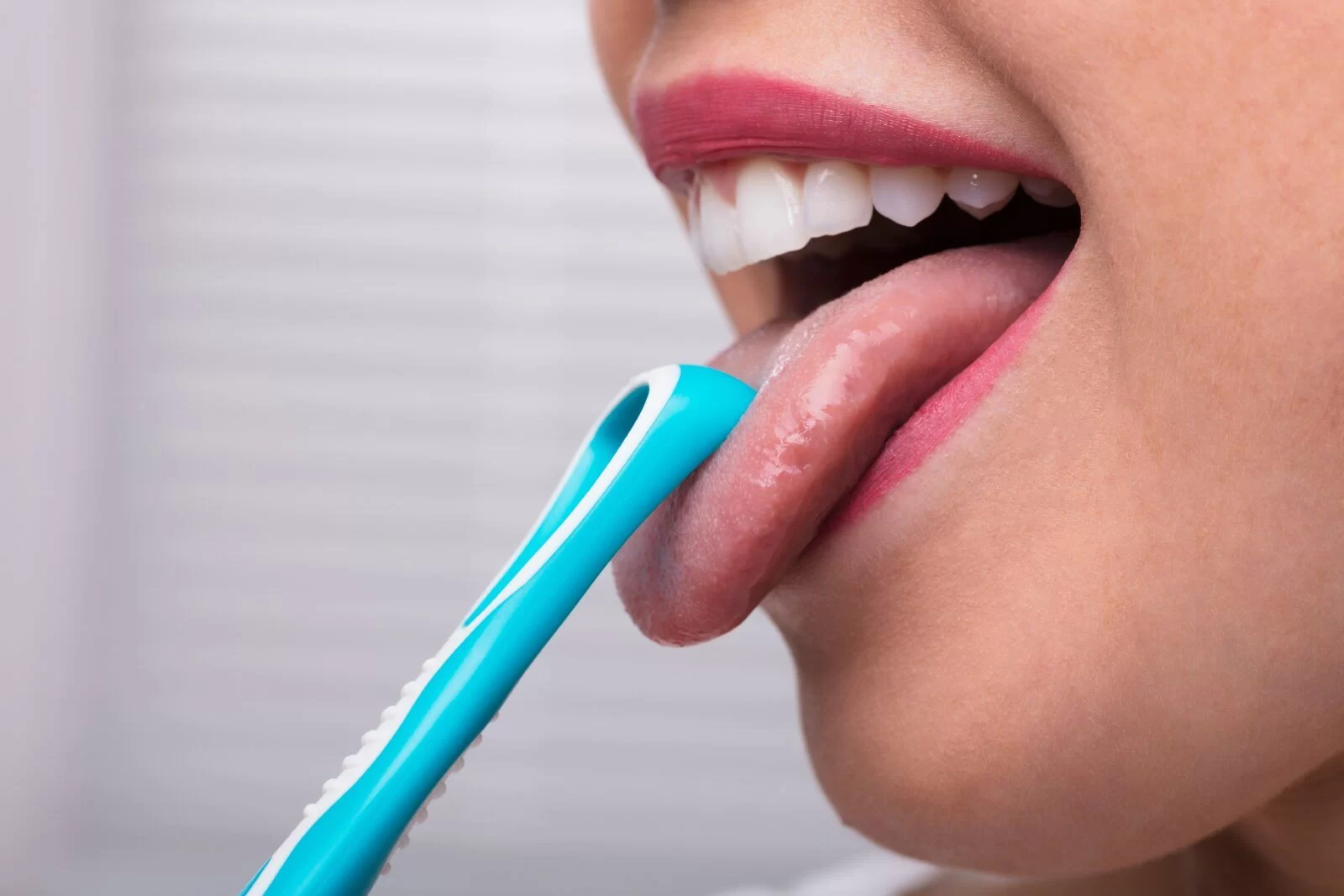
A toothbrush with soft bristles is crucial for individuals with sensitive teeth. Hard-bristled toothbrushes can cause further enamel damage, aggravating sensitivity. A soft-bristled brush gently cleans teeth without causing discomfort.
2. Toothpaste for Sensitive Teeth
Specialized toothpastes for sensitive teeth contain compounds like potassium nitrate or strontium chloride that help block the transmission of pain signals to the nerves inside your teeth. These toothpastes provide long-term relief from sensitivity when used regularly.
3. Dental Floss for Sensitive Gums
Flossing helps remove plaque and food particles from between your teeth, reducing the risk of gum disease and cavities. For sensitive gums, choose a gentle, waxed floss that slides smoothly between teeth without causing irritation.
4. Mouthwash for Sensitive Teeth
There are mouthwashes formulated to soothe sensitive teeth while providing antibacterial protection. Look for mouthwashes containing fluoride to help strengthen enamel and reduce sensitivity.
4. Choosing the Right Toothbrush for Sensitive Teeth
Choosing the right toothbrush is a crucial step in managing sensitive teeth. While many toothbrushes on the market claim to be gentle, it's important to pay attention to the following factors:
1. Soft Bristles
As mentioned, soft-bristled toothbrushes are essential for individuals with sensitive teeth. They clean effectively while minimizing damage to the gums and enamel.
2. Electric Toothbrushes
Electric toothbrushes are a great option for people with sensitive teeth. Their gentle vibrations reduce the pressure needed to clean teeth, providing a more comfortable brushing experience.
3. Ergonomic Handles
Look for a toothbrush with an ergonomic handle that feels comfortable to hold. This ensures that you can brush with ease and apply the right amount of pressure without causing discomfort.
5. Best Toothpastes for Sensitive Teeth
Not all toothpastes are created equal when it comes to sensitivity. Below are some of the best toothpastes that specifically target tooth sensitivity:
1. Sensodyne
One of the most popular brands for sensitive teeth, Sensodyne offers a variety of toothpastes that help reduce sensitivity and protect enamel. The formula is gentle and effective, providing relief within a few uses.
2. Colgate Sensitive Pro-Relief
Colgate's Sensitive Pro-Relief toothpaste is another excellent choice. It contains a special ingredient that helps block the pain from sensitive teeth while providing long-lasting protection.
3. Tom's of Maine Sensitive Toothpaste
For those looking for a natural option, Tom's of Maine offers a sensitive toothpaste with fluoride and natural ingredients to gently care for your teeth without harsh chemicals.
6. Flossing and Mouthwash Options for Sensitive Teeth
In addition to brushing, flossing and mouthwash are important tools in your oral care routine. For sensitive teeth, opt for the following products:
1. Soft Floss
Choose a soft, gentle floss that won't irritate your gums. Waxed floss tends to be gentler on sensitive gums and makes it easier to clean between your teeth.
2. Alcohol-Free Mouthwash
Alcohol-based mouthwashes can be too harsh for sensitive mouths. Look for alcohol-free options that provide antibacterial protection without causing irritation.
7. Real-Life Experiences and Tips for Sensitive Teeth
Real-life experiences show how the right oral care tools can make a significant difference in managing tooth sensitivity. For instance, Sarah, a long-time sufferer of tooth sensitivity, switched to a soft-bristled electric toothbrush and started using a toothpaste specifically for sensitive teeth. Within a few weeks, she noticed a significant reduction in her discomfort, and she felt more confident when eating cold or hot foods.
By incorporating these tips into your routine, you too can manage sensitive teeth and improve your overall oral health.
For more information on oral care products and to explore effective solutions for sensitive teeth, visit [Dentistry Toothtruth](https://familydentistryonline.net).






 Patrick Stuckey, DDS5.0 (547 review)
 Ivory Dental and Orthodontic Specialists4.0 (73 review)
 Gorham Village Dental4.0 (267 review)
 The Smile Loft: Heather Hruskocy, DMD5.0 (90 review)
 Dr. Jean L. Beninato, DMD3.0 (7 review)
 Peachtree Smile Center4.0 (228 review)
 The Importance of Oral Health Education During Pregnancy for a Healthy Pregnancy
 Best Tips for Brushing Your Teeth Properly for Healthy Gums: Essential Techniques for Oral Health
 Why Skipping Dental Checkups Can Lead to Bigger Oral Health Problems
 Advantages of Porcelain Dental Restorations
 How Can Diabetes Cause Tooth and Gum Problems? Preventing and Managing Oral Health Issues
 Healthy Habits for Promoting Good Oral Health and Hygiene: Tips for a Healthy Smile