
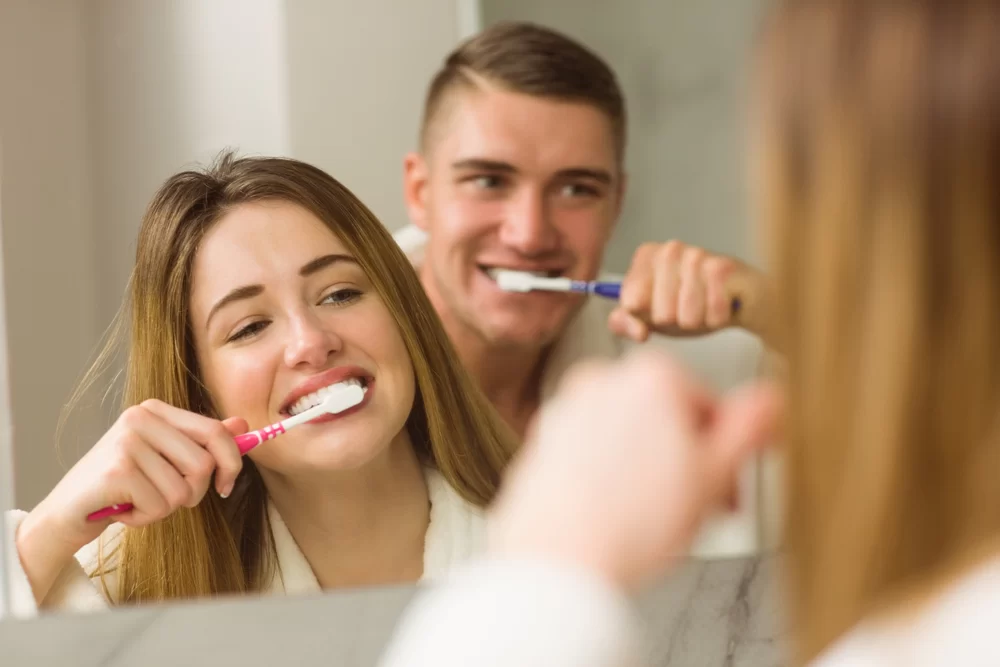
Oral Care Tools for Sensitive Teeth: Choosing the Best Products for Comfort and Health
- 1. Understanding Sensitive Teeth
- 2. Why Sensitive Teeth Need Special Care
- 3. Best Oral Care Tools for Sensitive Teeth
- 4. Toothbrushes for Sensitive Teeth
- 5. Toothpaste Options for Sensitive Teeth
- 6. Mouthwashes and Rinses for Sensitive Teeth
- 7. Real-Life Examples of Managing Sensitive Teeth
1. Understanding Sensitive Teeth
Sensitive teeth can cause sharp pain or discomfort when eating or drinking hot, cold, or sugary substances. This condition affects many people, and it can significantly impact their daily lives. The main cause of tooth sensitivity is the exposure of the dentin, the layer beneath the enamel, due to receding gums, tooth wear, or cracks in the teeth.
If you have sensitive teeth, it's essential to find the right oral care tools that are gentle yet effective in maintaining your oral health without causing further discomfort.
2. Why Sensitive Teeth Need Special Care
Regular oral care tools like toothbrushes and toothpaste might not be suitable for people with sensitive teeth. Using harsh products can exacerbate the pain and irritation. That’s why it’s crucial to select oral care tools designed specifically for sensitive teeth, which are gentle yet effective in protecting your enamel and gums.
With the right tools, you can manage tooth sensitivity, reduce discomfort, and maintain a healthy mouth without pain or irritation.
3. Best Oral Care Tools for Sensitive Teeth
When selecting oral care tools for sensitive teeth, it’s important to look for products that offer comfort while still being effective at cleaning and protecting your teeth. Here are some of the best tools available:
1. Soft-Bristled Toothbrushes
Soft-bristled toothbrushes are ideal for people with sensitive teeth as they are gentle on both your gums and enamel. Hard bristles can lead to abrasion of the enamel and increase tooth sensitivity.
2. Electric Toothbrushes with Sensitive Modes
Electric toothbrushes with a gentle mode are highly effective in reducing sensitivity while providing a thorough clean. They help ensure that you are brushing with the correct pressure, which is crucial to prevent damaging your teeth and gums.
3. Toothpaste for Sensitive Teeth
Specialized toothpaste for sensitive teeth helps protect your enamel and reduce sensitivity by blocking the tubules in the dentin, preventing external stimuli from reaching the nerves inside your teeth. These toothpastes often contain fluoride or potassium nitrate, which offer relief for sensitive teeth.
4. Dental Floss for Sensitive Gums
Dental floss designed for sensitive gums is softer and less likely to cause irritation or bleeding. This helps prevent gum sensitivity, ensuring that you can clean between your teeth without further aggravating your condition.
4. Toothbrushes for Sensitive Teeth
Toothbrushes designed for sensitive teeth are equipped with features that minimize discomfort while still providing a deep clean. There are various options available, from manual soft-bristled brushes to advanced electric toothbrushes with gentle settings.
Electric toothbrushes with pressure sensors can alert you if you are brushing too hard, helping you maintain a gentle approach. When choosing a toothbrush, ensure it’s designed for sensitive teeth to avoid causing unnecessary pain.
5. Toothpaste Options for Sensitive Teeth
Toothpaste is another crucial component of oral care for sensitive teeth. You’ll want to choose a toothpaste that specifically targets sensitivity while also providing fluoride protection. Here are some options to consider:
1. Fluoride Toothpaste
Fluoride toothpaste strengthens the enamel and helps protect against cavities. It’s essential for anyone with sensitive teeth to use fluoride toothpaste as it helps reduce sensitivity over time.
2. Potassium Nitrate Toothpaste
Potassium nitrate toothpaste works by calming the nerves inside your teeth. This type of toothpaste is highly effective in reducing tooth sensitivity over time with consistent use.
3. Desensitizing Toothpaste
Desensitizing toothpaste specifically targets tooth sensitivity. These products help block the channels in your teeth that lead to sensitive nerves and reduce pain caused by hot or cold substances.
6. Mouthwashes and Rinses for Sensitive Teeth
Using mouthwash can provide an additional layer of protection for sensitive teeth. Many mouthwashes are designed to reduce tooth sensitivity while freshening breath and preventing plaque buildup. Here are some options:
1. Alcohol-Free Mouthwash
Alcohol-free mouthwashes are less likely to irritate sensitive gums and can provide a soothing effect. Look for mouthwashes with fluoride to help strengthen teeth and prevent decay.
2. Antiseptic Mouthwash
Antiseptic mouthwashes can help reduce bacteria in the mouth, which may contribute to gum disease. This can be particularly useful if your sensitive teeth are accompanied by gum inflammation or irritation.
7. Real-Life Examples of Managing Sensitive Teeth
One common experience is that of Linda, who suffered from extreme tooth sensitivity due to her receding gums. After switching to a soft-bristled electric toothbrush and using desensitizing toothpaste, Linda found that her sensitivity decreased significantly within a few weeks. She also started using an alcohol-free mouthwash to soothe her gums, which further reduced the discomfort.
Another example is Mark, who dealt with sensitivity after a dental procedure. He found relief by using a combination of fluoride toothpaste and a gentle electric toothbrush. Regular use of a potassium nitrate toothpaste helped calm the nerves in his teeth, leading to a noticeable improvement in his comfort level.
If you're experiencing tooth sensitivity, visit [Dentistry Toothtruth](https://familydentistryonline.net) to discover the best oral care tools for sensitive teeth and get the support you need to maintain a healthy, pain-free smile.






 Lafayette Hill Family Dentistry4.0 (5 review)
 Western Dental & Orthodontics4.0 (552 review)
 My Dentist4.0 (197 review)
 Sunrise Dental of Auburn4.0 (291 review)
 Justin Sorenson, DMD4.0 (8 review)
 Rainbow Dental Care4.0 (91 review)
 The Importance of Oral Health Education During Pregnancy for a Healthy Pregnancy
 Best Tips for Brushing Your Teeth Properly for Healthy Gums: Essential Techniques for Oral Health
 Why Skipping Dental Checkups Can Lead to Bigger Oral Health Problems
 Advantages of Porcelain Dental Restorations
 How Can Diabetes Cause Tooth and Gum Problems? Preventing and Managing Oral Health Issues
 Healthy Habits for Promoting Good Oral Health and Hygiene: Tips for a Healthy Smile