
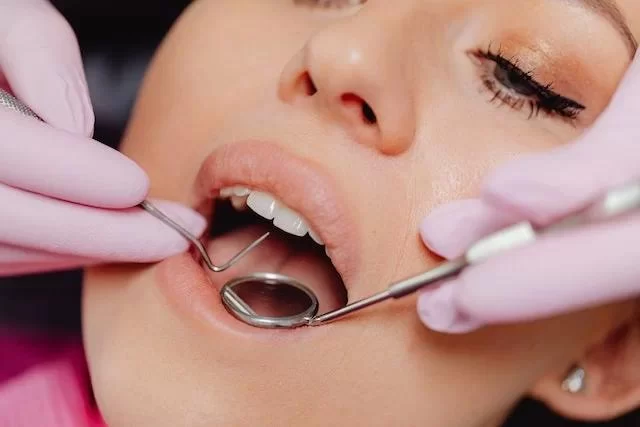
Oral Care Tools for Sensitive Teeth: How to Protect and Care for Your Teeth
- 1. Understanding Sensitive Teeth
- 2. Importance of Oral Care for Sensitive Teeth
- 3. Best Oral Care Tools for Sensitive Teeth
- 4. How to Use Oral Care Tools for Sensitive Teeth
- 5. Common Mistakes to Avoid with Sensitive Teeth
- 6. Recommended Products for Sensitive Teeth Care
1. Understanding Sensitive Teeth
Sensitive teeth are a common problem, affecting many people at some point in their lives. This condition occurs when the protective layer of enamel on your teeth wears down, exposing the sensitive inner layer known as the dentin. As a result, you might feel sharp pain or discomfort when consuming hot, cold, or sweet foods and drinks. Understanding the causes of tooth sensitivity and knowing how to protect your teeth can help you manage this condition effectively.
2. Importance of Oral Care for Sensitive Teeth
Oral care for sensitive teeth is crucial for preventing further damage and maintaining good dental health. Without proper care, sensitive teeth can become more vulnerable to cavities, decay, and gum disease. Using the right tools and adopting a gentle oral hygiene routine can help you protect your teeth and reduce sensitivity.
Neglecting your oral care routine can lead to more severe sensitivity and other dental problems. It's essential to use oral care tools specifically designed for sensitive teeth to avoid exacerbating the condition and to ensure your teeth stay clean and healthy.
3. Best Oral Care Tools for Sensitive Teeth
When it comes to oral care for sensitive teeth, using the right tools can make all the difference. Below are some of the best oral care tools for individuals with sensitive teeth:
1. Soft-Bristled Toothbrush
A soft-bristled toothbrush is essential for sensitive teeth because it won’t irritate your gums or enamel. Hard bristles can cause further damage, so always choose a toothbrush with soft bristles. There are also specially designed toothbrushes for sensitive teeth that can provide an extra level of comfort while cleaning.
2. Toothpaste for Sensitive Teeth
Toothpaste formulated for sensitive teeth contains ingredients that help block the pathways to the nerves inside your teeth. These toothpaste options are designed to reduce pain and discomfort while offering protection against further enamel erosion. Look for products that contain fluoride and potassium nitrate, as these ingredients help strengthen enamel and reduce sensitivity over time.
3. Water Flosser
A water flosser is a great tool for people with sensitive teeth because it uses a stream of water to remove food particles and plaque from between your teeth without causing discomfort. It’s gentler on the gums compared to traditional flossing, making it an excellent choice for those with sensitive gums or teeth.
4. Desensitizing Mouthwash
Desensitizing mouthwash is specifically designed to help reduce tooth sensitivity. It works by coating the enamel and reducing the pain associated with hot or cold foods and beverages. This type of mouthwash can be used in conjunction with your daily brushing routine to help alleviate discomfort and maintain oral health.
5. Electric Toothbrush
Using an electric toothbrush can help ensure that you're brushing your teeth thoroughly while minimizing the risk of applying too much pressure. Some electric toothbrushes have settings designed specifically for sensitive teeth, providing a more gentle brushing experience.
4. How to Use Oral Care Tools for Sensitive Teeth
Using the right tools is essential, but knowing how to use them properly is just as important. Here are some tips for making the most of your oral care tools for sensitive teeth:
1. Brush Gently
When brushing, avoid using excessive pressure. Gently move the toothbrush in small, circular motions to clean your teeth. Brushing too hard can cause irritation and wear down the enamel, worsening your sensitivity.
2. Use a Flossing Technique That Works for You
If you find traditional flossing uncomfortable, try a water flosser. Be sure to use it slowly and carefully to avoid splashing or applying too much pressure on your gums. If you prefer traditional floss, opt for a gentle, waxed floss that glides easily between your teeth.
3. Follow a Consistent Routine
Consistency is key to managing sensitive teeth. Brush twice a day with a soft-bristled toothbrush, use toothpaste for sensitive teeth, and rinse with a desensitizing mouthwash. Make sure to floss daily and avoid foods that may trigger sensitivity.
5. Common Mistakes to Avoid with Sensitive Teeth
Taking care of sensitive teeth requires more than just using the right products. Avoid these common mistakes to protect your teeth:
1. Brushing Too Hard
Brushing with too much force can cause further damage to your enamel and gums. Always use a gentle hand when brushing, especially if you have sensitive teeth.
2. Ignoring Regular Checkups
Even if you’re using the right tools, it’s essential to visit your dentist regularly. They can help monitor your oral health and provide professional treatments to alleviate sensitivity and protect your teeth.
3. Using Harsh Toothpaste
Many toothpastes contain abrasive ingredients that can irritate sensitive teeth. Be sure to choose a toothpaste formulated for sensitive teeth to avoid aggravating the condition.
6. Recommended Products for Sensitive Teeth Care
If you're looking for the best products to manage sensitive teeth, here are a few highly recommended items that can help improve your daily oral hygiene routine:
1. Sensodyne Pronamel Toothpaste
Sensodyne Pronamel is a popular toothpaste specifically designed for people with sensitive teeth. It helps to re-mineralize enamel and reduce pain caused by sensitivity.
2. Waterpik Water Flosser
The Waterpik Water Flosser is one of the best water flossers on the market. It gently removes plaque and debris while reducing gum irritation, making it ideal for sensitive teeth.
3. Oral-B Pro 1000 Electric Toothbrush
The Oral-B Pro 1000 is an affordable yet effective electric toothbrush with a sensitive mode, providing gentle cleaning for those with sensitive teeth and gums.
If you're interested in learning more about sensitive teeth care or finding the right products, visit [Dentistry Toothtruth](https://familydentistryonline.net) for expert advice and recommendations.






 Lafayette Hill Family Dentistry4.0 (5 review)
 Western Dental & Orthodontics4.0 (552 review)
 My Dentist4.0 (197 review)
 Sunrise Dental of Auburn4.0 (291 review)
 Justin Sorenson, DMD4.0 (8 review)
 Rainbow Dental Care4.0 (91 review)
 The Importance of Oral Health Education During Pregnancy for a Healthy Pregnancy
 Best Tips for Brushing Your Teeth Properly for Healthy Gums: Essential Techniques for Oral Health
 Why Skipping Dental Checkups Can Lead to Bigger Oral Health Problems
 Advantages of Porcelain Dental Restorations
 How Can Diabetes Cause Tooth and Gum Problems? Preventing and Managing Oral Health Issues
 Healthy Habits for Promoting Good Oral Health and Hygiene: Tips for a Healthy Smile