
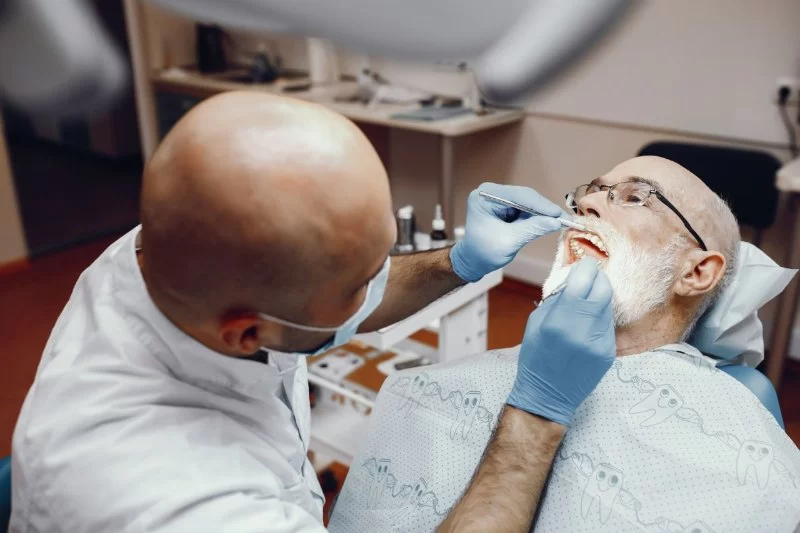
Oral Cancer Warning Signs and Why Early Attention Matters
Oral cancer is often discussed in medical circles, yet many everyday people in the United States still assume it is rare or easy to spot. In reality, the early stages can be quiet and easy to dismiss. A small sore, a patch that looks slightly different, or a feeling that something is “off” in your mouth can be the earliest signal that deserves attention. Understanding oral cancer warning signs is not about creating fear; it is about knowing when to take action and schedule that dentist visit before a small issue becomes a serious health challenge.
Dentists are often the first healthcare professionals to notice changes inside the mouth. Regular checkups create a baseline, making it easier to spot subtle differences over time. This is one reason many families now rely on trusted platforms like Family Dentistry Online to explore preventive dental services and find care that fits their needs.
Subtle Mouth Changes That Often Get Overlooked
Not all warning signs are painful or dramatic. In fact, many people who later receive a diagnosis recall that the early symptoms felt harmless. A persistent mouth sore that does not heal within two weeks is one of the most common red flags. Unlike a typical canker sore, these lesions tend to linger and may slowly grow.
Changes in color also matter. White or red patches on the gums, tongue, or inner cheeks can indicate abnormal cell changes. These patches may feel rough or thickened, but sometimes they cause no discomfort at all. Because they do not always interfere with eating or speaking, people often postpone mentioning them to a dentist.
Another overlooked sign is numbness or a strange sensation in the mouth or lips. When combined with difficulty chewing, swallowing, or moving the jaw smoothly, it becomes even more important to seek professional evaluation.
Risk Factors Hidden in Everyday Habits
While anyone can develop oral cancer, certain lifestyle factors raise the risk. Tobacco use remains one of the strongest contributors, including cigarettes, cigars, and smokeless tobacco. Alcohol consumption, especially when combined with tobacco, further increases vulnerability by irritating the oral tissues over time.
Another factor that has gained attention in recent years is HPV-related oral cancer. This has shifted the conversation, especially among younger adults who may not fit the traditional high-risk profile. Long-term sun exposure without lip protection can also affect the lips, an area often forgotten in oral health discussions.
Diet plays a role as well. A lack of fruits and vegetables may reduce the body’s ability to repair damaged cells. Dentists frequently emphasize balanced nutrition as part of a broader oral health strategy, not just for teeth but for the entire mouth.
Real-Life Cases That Highlight the Importance of Early Detection
A widely shared story online involved a middle-aged runner who noticed a small white patch under his tongue. He assumed it was irritation from dehydration during training. During a routine dental cleaning, his dentist insisted on further testing. The diagnosis came early, treatment was successful, and today he often credits that dental visit for saving his life.
Stories like this are not rare. They underline how oral cancer warning signs often appear during normal daily life and are caught during regular checkups rather than emergency visits. This is why consistent dental care matters, even when nothing feels wrong.
When to Schedule That Dentist Visit Without Delay
Timing is critical. If a sore, lump, or patch lasts longer than two weeks, that is a clear signal to see a dentist. Pain is not a requirement for urgency. Bleeding without an obvious cause, chronic hoarseness, or a persistent sore throat can also point to deeper oral health concerns.
Many people hesitate because they worry about overreacting. In reality, dentists prefer patients who come in early. Early evaluation often leads to reassurance or simple treatment, while delayed visits can complicate outcomes.
How Dentists Screen and What to Expect
An oral cancer screening is usually quick and non-invasive. Dentists visually examine the mouth, tongue, gums, and throat, and gently feel for unusual lumps in the neck and jaw area. Some practices may use additional tools to highlight abnormal tissues, but the foundation remains a trained professional eye.
Patients who understand this process often feel more comfortable scheduling visits. Platforms like Family Dentistry Online help demystify dental services by connecting users with providers and clear information about preventive care options.
Building Confidence Through Ongoing Oral Health Awareness
Awareness is not a one-time effort. Building a habit of self-checks at home, combined with regular dental appointments, creates a strong safety net. Looking inside your mouth once a month can help you notice changes early, especially if you know what is normal for you.
Oral health is deeply connected to overall well-being. Treating dental visits as part of a long-term health plan, rather than a reaction to pain, shifts the focus from crisis management to prevention. With the right information and trusted dental resources, early action becomes a natural choice rather than a stressful decision.
 Brace Busters3.0 (2 review)
 Sonrisas Dental Studio3.0 (101 review)
 Equitas Health Short North Medical Center3.0 (96 review)
 Greater Essex Dental4.0 (69 review)
 Corrie J Crowe DDS4.0 (149 review)
 CAMcare Health Corporation- Clementon4.0 (341 review)
 The Importance of Oral Health Education During Pregnancy for a Healthy Pregnancy
 Best Tips for Brushing Your Teeth Properly for Healthy Gums: Essential Techniques for Oral Health
 Why Skipping Dental Checkups Can Lead to Bigger Oral Health Problems
 Advantages of Porcelain Dental Restorations
 How Can Diabetes Cause Tooth and Gum Problems? Preventing and Managing Oral Health Issues
 Healthy Habits for Promoting Good Oral Health and Hygiene: Tips for a Healthy Smile