

- 1. The Importance of Nighttime Brushing
- 2. Why Your Nighttime Routine Should Differ from Morning Brushing
- 3. What to Include in Your Nighttime Oral Care Routine
- 4. Common Mistakes in Nighttime Dental Care
- 5. How to Maintain Optimal Dental Health
1. The Importance of Nighttime Brushing
Brushing your teeth before bed is one of the most crucial steps in maintaining good oral hygiene. During the night, your mouth produces less saliva, which can make it easier for bacteria and plaque to accumulate on your teeth and gums. Brushing before bed helps to remove food particles and plaque that have built up during the day, preventing cavities and gum disease.
Unlike morning brushing, nighttime brushing plays a critical role in protecting your teeth from decay as you sleep. Without brushing at night, food particles, sugars, and bacteria can linger in your mouth, increasing the risk of bad breath and dental problems like cavities and gum inflammation.
2. Why Your Nighttime Routine Should Differ from Morning Brushing
While the basic process of brushing your teeth remains the same whether it's morning or night, your nighttime oral health routine should focus on different goals compared to your morning routine.
In the morning, your primary goal is to remove the plaque and bacteria that have built up overnight. However, at night, the focus shifts to cleaning your teeth thoroughly to prevent overnight plaque formation, removing any food residue from dinner or snacks, and ensuring that your mouth remains fresh and free of bacteria throughout the night.
Nighttime brushing should be more thorough because you won’t be eating or drinking for several hours. This gives bacteria more time to work on your teeth and gums, which is why cleaning your teeth properly before bed is vital for long-term oral health.
3. What to Include in Your Nighttime Oral Care Routine
A complete nighttime oral care routine goes beyond just brushing. Here are key elements that should be part of your routine to ensure optimal dental health:
3.1 Brush Thoroughly
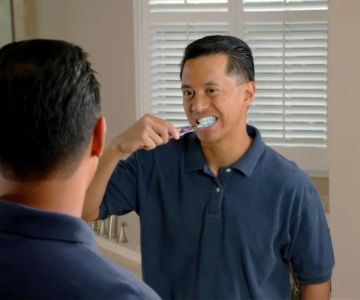
Make sure to brush your teeth for at least two minutes using fluoride toothpaste. Pay attention to all surfaces of your teeth, including the fronts, backs, and chewing surfaces. Don’t forget to gently brush your tongue as well, as it can harbor bacteria.
3.2 Flossing
Flossing is an essential step in your nighttime routine. Flossing helps remove food particles and plaque from between your teeth, areas that your toothbrush can’t reach. It’s a simple but effective way to reduce your risk of cavities and gum disease.
3.3 Mouthwash
Using a mouthwash with fluoride or an antibacterial rinse can help kill germs and bacteria that brushing and flossing may have missed. Mouthwash also helps freshen your breath and can provide additional protection against plaque buildup while you sleep.
3.4 Hydration
Drinking a glass of water before bed helps keep your mouth hydrated. Hydration is essential because it supports saliva production, which helps wash away food particles and bacteria that could lead to plaque buildup overnight.
4. Common Mistakes in Nighttime Dental Care
Many people make mistakes in their nighttime oral care routine that can undermine their efforts to maintain healthy teeth. Here are some common mistakes to avoid:
- Skipping flossing: Even if you're in a rush, skipping flossing is a mistake. Flossing removes food particles and plaque from between your teeth, where a toothbrush can't reach.
- Not brushing for long enough: Many people brush for less than the recommended two minutes. Make sure to brush each section of your mouth thoroughly.
- Using the wrong toothpaste: Always use fluoride toothpaste, which helps to strengthen tooth enamel and prevent cavities.
- Brushing too aggressively: Brushing too hard can damage your gums and enamel. Be gentle but thorough when brushing.
5. How to Maintain Optimal Dental Health
Maintaining optimal dental health involves more than just brushing and flossing. Here are a few tips to ensure that your teeth stay healthy and strong:
- Regular dental check-ups: Visit your dentist regularly for cleanings and exams. Professional cleanings help remove tartar buildup that can’t be removed with brushing alone.
- Avoid sugary foods and drinks: Sugar feeds harmful bacteria in your mouth that can lead to tooth decay. Limit sugary snacks and drinks, especially before bed.
- Use a soft-bristled toothbrush: A soft-bristled toothbrush is gentle on your gums and enamel, reducing the risk of damage to your mouth.
- Chewing sugar-free gum: Chewing gum can help stimulate saliva production, which naturally protects your teeth from decay.
If you're looking for more tips on improving your oral hygiene routine or need expert dental advice, be sure to check out Family Dentistry Online for the best products and services to maintain a healthy smile.


 Bismarck Advanced Dental and Implants4.0 (657 review)
 South Mississippi Smiles - Gulfport4.0 (454 review)
 Baystate Family Dental4.0 (27 review)
 Dentistry By Design of Cary4.0 (71 review)
 MINT dentistry | Joliet0.0 (0 review)
 Allied Dental Of Old Bridge3.0 (319 review)
 The Importance of Oral Health Education During Pregnancy for a Healthy Pregnancy
 Best Tips for Brushing Your Teeth Properly for Healthy Gums: Essential Techniques for Oral Health
 Why Skipping Dental Checkups Can Lead to Bigger Oral Health Problems
 Advantages of Porcelain Dental Restorations
 How Can Diabetes Cause Tooth and Gum Problems? Preventing and Managing Oral Health Issues
 Healthy Habits for Promoting Good Oral Health and Hygiene: Tips for a Healthy Smile