
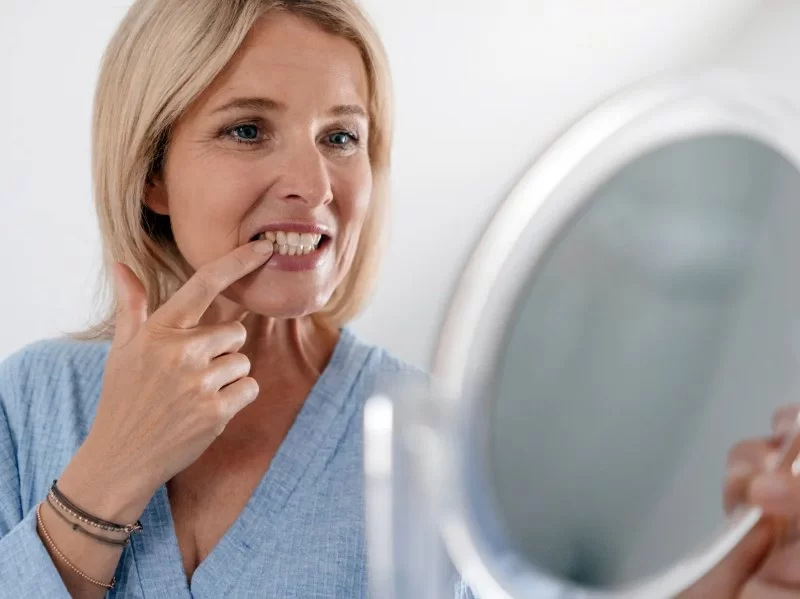
Managing Oral Health During Menopause — Dental Concerns and Solutions
- 1-Oral-Changes-Linked-to-Menopause #Oral-Changes-Linked-to-Menopause
- 2-Hormonal-Fluctuations-and-Dental-Health #Hormonal-Fluctuations-and-Dental-Health
- 3-Common-Menopause-Related-Oral-Concerns #Common-Menopause-Related-Oral-Concerns
- 4-Real-Stories-Women-Share-About-Oral-Health-During-Menopause #Real-Stories-Women-Share-About-Oral-Health-During-Menopause
- 5-Practical-Solutions-for-Managing-Oral-Health #Practical-Solutions-for-Managing-Oral-Health
- 6-Advanced-Dental-Support-for-Menopausal-Women #Advanced-Dental-Support-for-Menopausal-Women
- 7-Finding-the-Right-Professional-Help #Finding-the-Right-Professional-Help
1. Oral Changes Linked to Menopause
When discussing managing oral health during menopause, many women in the United States discover unexpected symptoms that go beyond the well-known hot flashes and sleep difficulties. The mouth, surprisingly, becomes one of the key areas affected by shifting hormone levels. These changes can alter saliva production, increase sensitivity, and influence gum health—sometimes resulting in discomfort that feels sudden or unexplained.
Some women describe the sensation as if their oral environment has changed overnight. Even routine habits like drinking morning coffee or brushing teeth can feel different. These experiences often spark the search for practical, science-backed solutions.
2. Hormonal Fluctuations and Dental Health
The drop in estrogen during menopause affects several parts of the body, including the oral cavity. Estrogen plays a role in maintaining gum tissue density, mouth lubrication, and bone support. When levels decline, the mouth becomes more susceptible to irritation and inflammation.
1. Reduced Saliva Production
Many women experience dry mouth. Saliva protects teeth, so when it decreases, oral health issues become more likely. This can also contribute to bad breath and difficulties swallowing certain foods.
2. Changes in Gum Tissue
The gums may become more tender, swollen, or prone to bleeding. Gum recession may occur, making the roots more exposed and increasingly sensitive.
3. Shifts in Oral pH Balance
A more acidic environment can develop, affecting tooth enamel. Over time, this increases the risk of cavities and sensitivity.
Understanding these changes is essential in developing the right solutions for managing oral health during menopause.
3. Common Menopause-Related Oral Concerns
Even women who have always had strong and healthy teeth may notice shifts during this phase of life. The following concerns are among the most reported:
1. Burning Mouth Sensation
Many women describe it as a warm or tingling feeling on the tongue, lips, or palate. It often fluctuates throughout the day and has no obvious trigger.
2. Altered Taste
Foods may taste metallic or bitter. Some women find themselves struggling to enjoy flavors they used to love.
3. Increased Cavities
With reduced saliva and weakened enamel, cavities can develop faster than before, even in individuals who have had excellent oral health for years.
4. Gum Infections or Gingivitis
Gums may react more strongly to bacteria buildup, increasing inflammation and discomfort.
These concerns highlight why managing oral health during menopause must be proactive rather than reactive.
4. Real Stories Women Share About Oral Health During Menopause
One woman in her early fifties shared that her dentist was the first to notice signs of menopause—she had developed mild gum recession seemingly out of nowhere. Another explained how persistent dry mouth made her feel older than she was, as if her mouth couldn’t keep up with her usual lifestyle.
Online communities are filled with discussions from women searching for answers, trying new routines, and offering support to others experiencing similar symptoms. These shared stories show that although menopause looks different for everyone, oral changes are more common than many expect.
5. Practical Solutions for Managing Oral Health
With proper care, menopausal oral concerns can be successfully managed. Many solutions involve daily habits, dietary adjustments, and targeted treatments that support oral comfort and gum stability.
1. Improving Moisture Levels
Hydration becomes essential. Using sugar-free lozenges or sprays can help stimulate saliva. Humidifiers also help by reducing overnight dryness.
2. Strengthening the Enamel
Products containing fluoride or hydroxyapatite can reinforce enamel. Women who ask about managing oral health during menopause are often surprised by how quickly enamel protection improves sensitivity issues.
3. Supporting Gum Health
Soft-bristle toothbrushes, gentle flossing techniques, and anti-inflammatory mouth rinses help reduce gum irritation. Regular dental cleanings are crucial during this time.
4. Adapting Dietary Habits
Limiting acidic drinks and sugary snacks can significantly reduce enamel stress. Choosing foods rich in calcium and vitamin D supports bone and tooth structure.
For women seeking curated recommendations, browsing professional-approved oral care products through Family Dentistry Online can help identify safe, effective options tailored for menopausal oral needs.
6. Advanced Dental Support for Menopausal Women
In more advanced cases, dentists may recommend specialized treatments. These may include enamel-strengthening varnish applications, gum therapy sessions, or saliva-enhancing prescriptions.
Women who experience burning mouth syndrome or severe taste changes may require additional diagnostics to ensure there are no underlying conditions. Personalized treatment plans can greatly improve quality of life.
7. Finding the Right Professional Help
Managing oral health during menopause becomes easier with professional guidance. Working with a dentist who understands menopause-related concerns makes a noticeable difference. These specialists help identify early symptoms, prevent complications, and guide women toward long-term comfort.
For those searching for trustworthy resources, Family Dentistry Online offers helpful product suggestions, professional insights, and connections to experienced dental providers.
As more women share their experiences and seek expert guidance, awareness continues to grow. With the right tools and support, oral health during menopause can be maintained with confidence and comfort, allowing every woman to feel more in control of her well-being during this important life stage.

 Ideal Smile Dental - Bensalem4.0 (602 review)
 Precision Oral Surgery and Implants4.0 (127 review)
 Maddison Ave Dental4.0 (83 review)
 Dr. Shubha Soni-Gaur5.0 (1 review)
 Mamaroneck Dental PLLC4.0 (52 review)
 Permanente Dental Associates, P.C.0.0 (0 review)
 The Importance of Oral Health Education During Pregnancy for a Healthy Pregnancy
 Best Tips for Brushing Your Teeth Properly for Healthy Gums: Essential Techniques for Oral Health
 Why Skipping Dental Checkups Can Lead to Bigger Oral Health Problems
 Advantages of Porcelain Dental Restorations
 How Can Diabetes Cause Tooth and Gum Problems? Preventing and Managing Oral Health Issues
 Healthy Habits for Promoting Good Oral Health and Hygiene: Tips for a Healthy Smile