
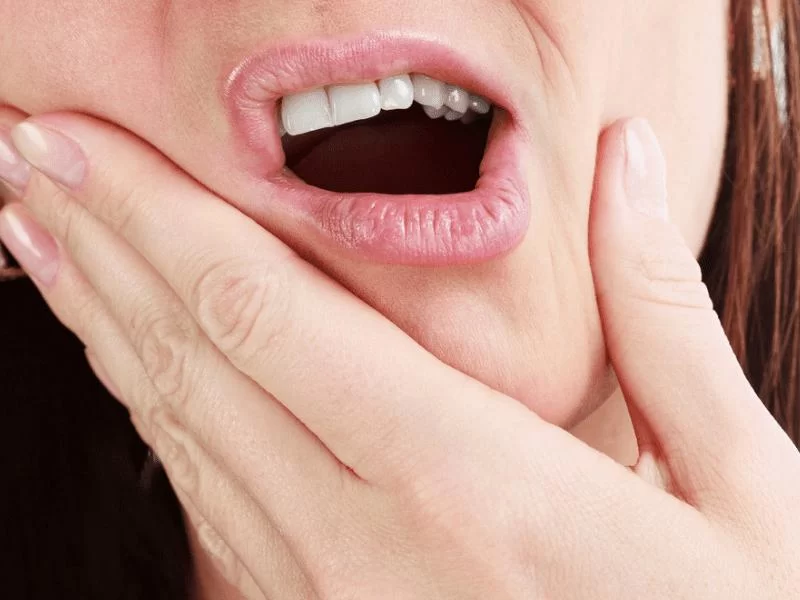
How to Manage Tooth Pain from Cavities
- Understanding Tooth Pain from Cavities
- Why Do Cavities Cause Pain?
- Immediate Relief for Tooth Pain from Cavities
- Long-Term Solutions for Cavity Pain
- When to See a Dentist for Cavity Pain
- Real-Life Experience: Managing Cavity Pain
- Conclusion
1. Understanding Tooth Pain from Cavities
Tooth pain from cavities is a common issue that many people face. Cavities are caused by the gradual breakdown of tooth enamel due to the acids produced by bacteria that feed on food particles, especially sugars. As the cavity grows, it can reach deeper layers of the tooth, causing discomfort, sensitivity, and, eventually, severe pain. The pain can vary from mild discomfort when chewing or drinking to sharp, constant pain. Understanding the cause of the pain can help in managing it effectively before you seek professional dental care.
2. Why Do Cavities Cause Pain?
Tooth pain from cavities typically occurs when the decay reaches the sensitive areas of the tooth, such as the pulp, where nerves and blood vessels are located. When a cavity penetrates this area, it exposes the nerve endings, causing a heightened sensitivity to hot, cold, or even sweet foods. In some cases, the pain can also be triggered by pressure from chewing or clenching the teeth. The severity of the pain usually correlates with the extent of the cavity, with larger cavities leading to more intense pain.
3. Immediate Relief for Tooth Pain from Cavities
If you're experiencing a toothache due to a cavity, there are several home remedies you can try to relieve the pain temporarily before seeing a dentist:
3.1 Saltwater Rinse
One of the simplest and most effective ways to relieve tooth pain is by rinsing your mouth with warm saltwater. Saltwater helps reduce inflammation and kills bacteria around the affected area. Dissolve one teaspoon of salt in a glass of warm water and swish it around your mouth for 30 seconds. Spit it out and repeat a few times a day to help ease the discomfort.
3.2 Cold Compress
A cold compress can help numb the pain and reduce swelling. Wrap some ice in a cloth and apply it to the outside of your cheek where the tooth is aching. Hold it for 15-20 minutes at a time, and repeat as necessary. The cold reduces blood flow to the area, which can help alleviate the pain temporarily.
3.3 Clove Oil
Clove oil contains eugenol, a natural anesthetic that can help numb the pain. Apply a small amount of clove oil to a cotton ball and gently dab it on the affected tooth. This can provide relief for several hours and reduce the pain caused by the cavity.
3.4 Over-the-Counter Pain Relievers
If the pain is too severe, over-the-counter medications like ibuprofen or acetaminophen can provide relief. These medications can help reduce inflammation and manage the pain until you can see a dentist for further treatment.
4. Long-Term Solutions for Cavity Pain
While the above remedies can help manage tooth pain in the short term, it’s important to address the underlying cavity to prevent further complications. Long-term solutions include:
4.1 Dental Fillings
The most effective way to treat a cavity and eliminate pain is by getting a dental filling. A dentist will clean out the decayed part of the tooth and fill the cavity with a material such as silver amalgam, composite resin, or porcelain. This restores the tooth's structure and prevents further decay.
4.2 Root Canal Treatment
If the cavity has reached the tooth pulp and caused an infection, a root canal may be necessary. During this procedure, the dentist removes the infected pulp and seals the tooth to prevent further pain and infection.
4.3 Tooth Extraction
In severe cases where the cavity has caused significant damage to the tooth, extraction may be necessary. Although this is typically a last resort, it may be required if the tooth cannot be saved through other treatments.
5. When to See a Dentist for Cavity Pain
While home remedies can help manage tooth pain from cavities temporarily, it’s essential to visit a dentist as soon as possible for a professional evaluation. If you experience any of the following symptoms, it’s time to make an appointment:
- Persistent or severe pain that doesn’t subside with home remedies
- Swelling or abscess near the affected tooth
- Difficulty chewing or opening your mouth
- Sensitivity to hot, cold, or sweet foods that lasts for more than a few days
Only a dentist can accurately diagnose the extent of the damage and recommend the best course of treatment to eliminate the pain and prevent further issues.
6. Real-Life Experience: Managing Cavity Pain
Consider the case of Emily, a 28-year-old woman who experienced severe tooth pain from a cavity. While waiting for her dentist appointment, she used a combination of saltwater rinses and cold compresses to manage the pain. These remedies provided temporary relief, but the pain persisted, so she visited her dentist. After an examination, Emily had a filling placed, which completely relieved her pain. This experience highlights how home remedies can help in the short term but stresses the importance of professional care for a lasting solution.
7. Conclusion
Managing tooth pain from cavities can be challenging, but with the right remedies, you can find temporary relief before seeing a dentist. Saltwater rinses, cold compresses, and clove oil are simple and effective methods for alleviating discomfort. However, it’s crucial to seek professional dental care to address the underlying cavity and prevent further damage. If you’re looking for expert advice and products to support your oral health, visit Dentistry Toothtruth for more information and solutions.






 Greencastle Dental4.0 (653 review)
 Metropolitan Oral and Maxillofacial Surgery Associates4.0 (365 review)
 Robert Pulliam, DMD, MS4.0 (29 review)
 Dr. Aaron Ivanhoe0.0 (0 review)
 Chris Wong DDS4.0 (305 review)
 Penelope Chang, DDS4.0 (43 review)
 The Importance of Oral Health Education During Pregnancy for a Healthy Pregnancy
 Best Tips for Brushing Your Teeth Properly for Healthy Gums: Essential Techniques for Oral Health
 Why Skipping Dental Checkups Can Lead to Bigger Oral Health Problems
 Advantages of Porcelain Dental Restorations
 How Can Diabetes Cause Tooth and Gum Problems? Preventing and Managing Oral Health Issues
 Healthy Habits for Promoting Good Oral Health and Hygiene: Tips for a Healthy Smile