
Maintenance Tips for General Dentistry: How to Keep Your Teeth and Gums Healthy
- Why Maintenance Matters in General Dentistry
- Basic Dental Hygiene Tips
- The Importance of Regular Dental Checkups
- Common Dental Problems and How to Prevent Them
- Advanced Maintenance Tips for Healthy Teeth and Gums
- When to Seek Professional Dental Care
Why Maintenance Matters in General Dentistry
Maintaining your dental health is essential to overall well-being. General dentistry focuses on prevention, diagnosis, and treatment of a wide range of oral health issues. Regular maintenance and care are key to avoiding serious dental conditions, such as cavities, gum disease, and tooth loss. By following simple daily habits and visiting your dentist regularly, you can ensure your teeth and gums remain healthy for years to come.
Many dental issues are preventable with the right care, making it crucial to establish and maintain effective oral hygiene routines. In this article, we’ll discuss important maintenance tips for general dentistry that will help keep your smile bright and healthy.
Basic Dental Hygiene Tips
The foundation of good dental maintenance starts with solid dental hygiene practices. Here are some basic dental hygiene tips every individual should follow:
- Brush Twice a Day: Brush your teeth at least twice a day for two minutes using fluoride toothpaste. Proper brushing removes plaque and prevents tooth decay.
- Floss Daily: Flossing is crucial for removing food particles and plaque between your teeth, areas that a toothbrush can't reach.
- Use Mouthwash: Mouthwash can help rinse away food particles and reduce bacteria in your mouth, offering an extra layer of protection against oral diseases.
- Use a Soft-Bristled Toothbrush: A soft-bristled toothbrush is effective at cleaning teeth without damaging gums or enamel.
By following these basic steps, you can significantly reduce the risk of dental problems like cavities and gum disease.
The Importance of Regular Dental Checkups
Even with excellent at-home care, regular dental checkups are an essential component of maintaining good oral health. Most dentists recommend visits every six months, but those with specific dental concerns may need more frequent appointments.
During a checkup, your dentist will examine your teeth and gums for signs of disease, decay, or other issues that might not be visible to you. Routine checkups also provide an opportunity for professional cleaning, where your dentist can remove plaque buildup and tartar that brushing alone cannot eliminate.
By visiting the dentist regularly, you help catch issues early, which can save you from expensive treatments and more serious procedures in the future.
Common Dental Problems and How to Prevent Them
While regular maintenance can prevent many issues, there are still common dental problems that many people face. Understanding these problems and how to prevent them is a key part of your overall dental care plan. Here are some of the most common issues:
- Cavities: Cavities are caused by bacteria that feed on sugars in your mouth and produce acids that erode your teeth. To prevent cavities, avoid sugary foods, brush and floss regularly, and use fluoride toothpaste.
- Gum Disease: Gingivitis and periodontitis are common forms of gum disease caused by plaque buildup. Prevent this by brushing and flossing daily and visiting your dentist for regular cleanings.
- Tooth Sensitivity: Sensitive teeth can occur when the enamel wears down. Using a toothpaste designed for sensitive teeth and avoiding overly hot or cold foods can help reduce sensitivity.
- Bad Breath: Bad breath is often caused by bacteria or food particles left in the mouth. Maintaining good oral hygiene and drinking plenty of water can prevent this issue.
Prevention is always better than treatment. By adopting a good oral hygiene routine and staying on top of regular checkups, you can keep these common problems at bay.
Advanced Maintenance Tips for Healthy Teeth and Gums
For those who want to go above and beyond in their dental care, here are some advanced tips for optimal oral health:
- Consider Dental Sealants: Dental sealants are thin, plastic coatings applied to the chewing surfaces of back teeth, protecting them from cavities. This is especially beneficial for children and adults prone to cavities.
- Use an Electric Toothbrush: Electric toothbrushes can provide more consistent brushing, helping remove plaque more effectively than manual brushing.
- Visit a Periodontist for Gum Health: If you have a history of gum disease, it might be worth seeing a periodontist, a specialist who can treat advanced gum conditions.
- Stay Hydrated: Drinking plenty of water helps keep your mouth moist, flushes out food particles, and reduces the likelihood of dry mouth, which can contribute to dental issues.
These advanced tips can be especially useful for people with specific dental needs or those who want to maintain the highest level of dental health.
When to Seek Professional Dental Care
While home care is essential, sometimes professional care is necessary. Seek dental attention if you experience:
- Persistent Tooth Pain: Ongoing tooth pain or discomfort should be addressed by a dentist to rule out cavities or other serious conditions.
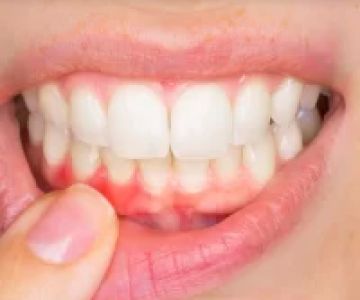
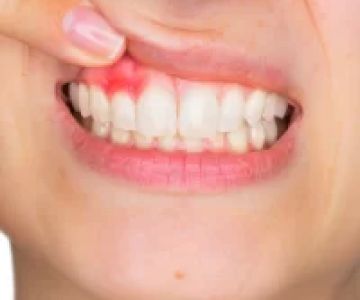
- Swollen or Bleeding Gums: If your gums are swollen or bleed when brushing, it could indicate gum disease, requiring professional care.
- Visible Cavities or Decay: If you notice dark spots or holes in your teeth, it’s time to visit the dentist for treatment.
- Bad Breath that Won’t Go Away: Persistent bad breath can be a sign of underlying dental issues, like gum disease or tooth decay.
Don’t wait for these issues to worsen. Early intervention can prevent more serious dental problems down the line.
For more maintenance tips and dental products, visit Dentistry Toothtruth to explore expert advice, services, and recommendations to keep your smile healthy and bright.

 Canyon Crest Dental4.0 (1293 review)
 North Shore Dental Group PLLC5.0 (117 review)
 Pediatric Dentistry & Orthodontics of Salem4.0 (81 review)
 Westbury Dental Spa4.0 (376 review)
 David J Wiseman, DDS4.0 (11 review)
 Tigard Modern Dentistry4.0 (169 review)
 The Importance of Oral Health Education During Pregnancy for a Healthy Pregnancy
 Best Tips for Brushing Your Teeth Properly for Healthy Gums: Essential Techniques for Oral Health
 Why Skipping Dental Checkups Can Lead to Bigger Oral Health Problems
 Advantages of Porcelain Dental Restorations
 How Can Diabetes Cause Tooth and Gum Problems? Preventing and Managing Oral Health Issues
 Healthy Habits for Promoting Good Oral Health and Hygiene: Tips for a Healthy Smile