
Essential Tips for Optimal Oral Health After Gum Disease Treatment
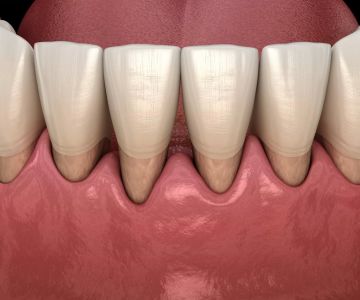
Periodontal therapy is a vital procedure that cleans the deep pockets between your teeth and gums, where harmful bacteria thrive. This helps eliminate the plaque buildup that accumulates due to poor dental hygiene. But the treatment doesn't end there. Maintaining oral health after gum disease treatment requires a comprehensive approach.
Brushing and Flossing: The Foundation of Good Oral Hygiene
Brushing your teeth regularly is essential, but after periodontal treatment, it's even more critical. Use a soft-bristled toothbrush and gentle strokes to avoid irritating the treated areas. Flossing daily helps remove plaque and food particles from between your teeth and below the gum line. Consider using floss picks or interdental brushes if traditional flossing is challenging.
The Power of Antiseptic Mouthwash
Antiseptic mouthwash can play a significant role in maintaining oral health. It helps reduce bacteria and keeps your mouth fresh. Use as directed by your dentist.
Dietary Adjustments for Healthy Gums
Your diet plays a crucial role in gum health. Limit sugar intake as it feeds the bacteria in plaque, accelerating their growth and promoting gum inflammation. Instead, focus on consuming fruits, vegetables, whole grains, and calcium-rich foods. These provide essential nutrients and minerals that nourish your gums and strengthen your teeth.
Lifestyle Changes for Better Gum Health
Quitting smoking is a major step towards improving gum health. Smoking is a significant risk factor for gum disease. Additionally, managing stress is important as chronic stress can weaken your immune system, making you more susceptible to gum problems. Incorporate stress-reduction techniques like meditation or yoga into your routine.
Regular Dental Check-ups and Follow-ups
Schedule regular appointments with your dentist for professional cleanings and checkups. This allows for early detection of any potential gum issues. Your dentist may recommend more frequent visits, such as every three months, depending on your specific situation. During these visits, they will monitor your gum health and remove any plaque or tartar buildup.
Immediate and Long-Term Post-Treatment Care
Immediately after treatment, manage discomfort with over-the-counter pain relievers or prescribed medication if needed. Apply ice packs to reduce swelling and use a soft-bristled toothbrush. In the long term, establish a daily oral hygiene routine that includes brushing with fluoride toothpaste, flossing, and using mouthwash. Stick to a balanced diet and stay hydrated.
Recognizing Signs of Recurrence
Be vigilant for signs of gum disease recurrence, such as bleeding gums, persistent swelling or tenderness, chronic bad breath, or loose teeth. If you notice any of these symptoms, contact your dentist promptly.
Maintaining oral health after gum disease treatment requires dedication and consistency. By following these tips and working closely with your dentist, you can ensure healthy gums, a strong foundation for your teeth, and a confident smile for years to come.

 Morrone, Kaye and Yucha Orthodontics - Moorestown5.0 (387 review)
 Dr. Sapna Patla, DDS4.0 (150 review)
 Dentistry for Children - McDonough4.0 (796 review)
 Dr. Graham's Dental Wellness and Sleep Medicine Center5.0 (15 review)
 CE Solano D.M.D. Oral & Maxillofacial Surgery3.0 (303 review)
 Elite Dental Specialists4.0 (620 review)
 The Importance of Oral Health Education During Pregnancy for a Healthy Pregnancy
 Best Tips for Brushing Your Teeth Properly for Healthy Gums: Essential Techniques for Oral Health
 Why Skipping Dental Checkups Can Lead to Bigger Oral Health Problems
 Advantages of Porcelain Dental Restorations
 How Can Diabetes Cause Tooth and Gum Problems? Preventing and Managing Oral Health Issues
 Healthy Habits for Promoting Good Oral Health and Hygiene: Tips for a Healthy Smile