
1. What is an Oral Ulcer? Is It a Disease?
Oral ulcers, also known as canker sores, are a common issue that affects many people at some point in their lives. But are they a disease? This question often arises when people experience recurring or painful mouth sores that seem to appear out of nowhere. While oral ulcers are indeed a type of oral health problem, they are not considered a disease in themselves. However, they can be a symptom of various underlying conditions, and their causes can be numerous. This article will explore what oral ulcers are, their causes, symptoms, treatments, and when they may signal a more serious health concern.
Oral ulcers are small, painful sores that develop inside the mouth, usually on the soft tissues like the inner lips, cheeks, or tongue. They can vary in size and severity, from tiny dots to larger lesions. While they typically heal on their own within a week or two, the discomfort they cause can be significant enough to interfere with eating, drinking, and speaking. It's essential to understand what triggers these ulcers, how to manage them, and when to seek professional help.
2. Causes of Oral Ulcers
Oral ulcers can occur due to a variety of reasons, ranging from minor irritations to more complex health issues. Understanding the underlying causes is key to managing and preventing them in the future.
2.1 Injury or Trauma
One of the most common causes of oral ulcers is injury or trauma to the mouth. This could include accidental biting of the inside of your cheek, injury from a sharp tooth, or irritation from dental appliances like braces or dentures. Even using a hard-bristled toothbrush or aggressive brushing can cause the gums or the inner cheeks to become irritated, leading to the development of ulcers.
2.2 Stress and Hormonal Changes
Stress is another major factor in the development of oral ulcers. Many people notice that they are more likely to experience mouth sores during periods of high stress. Additionally, hormonal changes, particularly in women during menstruation or pregnancy, can also trigger the appearance of canker sores. These factors can alter the body's immune response, making the mouth more susceptible to irritation and ulcers.
2.3 Nutritional Deficiencies
Deficiencies in certain vitamins and minerals, especially iron, folic acid, and vitamin B12, have been linked to the development of oral ulcers. A poor diet lacking in these essential nutrients can weaken the immune system, making it more prone to mouth sores. Eating a balanced diet rich in fruits, vegetables, and whole grains can help prevent nutritional deficiencies and reduce the risk of developing ulcers.
2.4 Underlying Medical Conditions
In some cases, oral ulcers can be a symptom of underlying medical conditions. These may include autoimmune disorders, such as lupus or celiac disease, or gastrointestinal conditions like Crohn's disease. Oral ulcers can also be associated with viral infections, including the herpes simplex virus (HSV), which causes cold sores. If you experience frequent or severe mouth sores, it is important to consult a healthcare professional to rule out any serious underlying issues.
2.5 Medications and Treatments
Certain medications, such as nonsteroidal anti-inflammatory drugs (NSAIDs) or chemotherapy drugs, can cause mouth sores as a side effect. These drugs can irritate the mucous membranes in the mouth, leading to ulcer formation. If you suspect that a medication is causing your oral ulcers, speak with your doctor about alternative treatments or remedies to minimize the problem.
3. Symptoms of Oral Ulcers
Oral ulcers are typically characterized by specific symptoms that make them easy to identify. While the severity of symptoms can vary from person to person, common signs of oral ulcers include:
3.1 Painful Sores
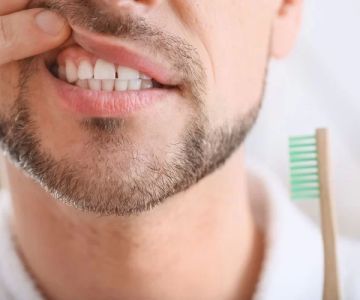
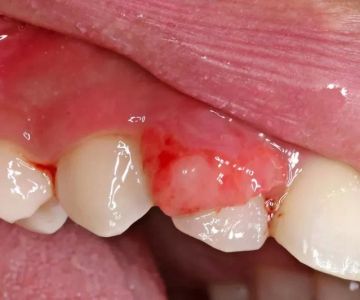
The most obvious symptom of oral ulcers is the presence of painful sores or lesions inside the mouth. These sores may appear as round or oval-shaped with a white or yellow center and a red border. They can be anywhere inside the mouth, including the tongue, inner cheeks, gums, or lips.
3.2 Swelling and Sensitivity
Along with pain, you may also experience swelling around the ulcer. This swelling can make it difficult to eat or drink, particularly with acidic or spicy foods, which may further irritate the sore. The area around the ulcer may also feel sensitive to the touch.
3.3 Difficulty Eating or Speaking
Oral ulcers can cause discomfort when eating or speaking. The irritation from the sore may make it painful to chew or talk, especially if the ulcer is located near the back of the mouth. This can lead to a temporary loss of appetite or difficulty with daily activities.
4. Treatment Options for Oral Ulcers
While oral ulcers generally heal on their own within a couple of weeks, there are several ways to alleviate the pain and speed up the healing process. Below are some common treatment options for managing oral ulcers:
4.1 Over-the-Counter Medications
There are several over-the-counter products designed to soothe the pain and promote healing of oral ulcers. These include topical gels, ointments, and mouthwashes that contain ingredients like benzocaine, hydrocortisone, or aloe vera. These products can numb the pain and reduce inflammation, making it easier to eat and speak while the ulcer heals.
4.2 Salt Water Rinse
One of the simplest and most effective remedies for oral ulcers is rinsing the mouth with a salt water solution. Salt has natural antibacterial properties that can help prevent infection and promote healing. Mix half a teaspoon of salt in warm water and swish the solution around your mouth for 30 seconds before spitting it out. Repeat this several times a day to reduce pain and inflammation.
4.3 Avoid Irritating Foods
While you have an oral ulcer, it's best to avoid foods that can irritate the sore or make it worse. Spicy, acidic, or crunchy foods can aggravate the ulcer, so stick to soft, bland foods like yogurt, mashed potatoes, or soup. Drinking plenty of water can also help keep the mouth moist and promote healing.
4.4 Prescription Medications
In some cases, prescription medications may be required to treat severe or persistent oral ulcers. Your doctor may prescribe stronger topical treatments or oral medications that can help reduce inflammation and speed up healing. If your ulcers are caused by an underlying medical condition, addressing that condition with the right medications can also help prevent future outbreaks.
5. Preventing Oral Ulcers
While it may not be possible to prevent oral ulcers entirely, there are several steps you can take to reduce your risk of developing them:
5.1 Practice Good Oral Hygiene
Maintaining good oral hygiene is essential for preventing oral ulcers. Brush your teeth twice a day, floss regularly, and visit your dentist for check-ups to keep your mouth healthy. Using a soft-bristled toothbrush can help avoid trauma to the gums and inner mouth tissues.
5.2 Manage Stress
Since stress is a major trigger for oral ulcers, practicing stress management techniques like yoga, meditation, or deep breathing exercises can help reduce the frequency of outbreaks.
5.3 Eat a Balanced Diet
A healthy, balanced diet can also play a role in preventing oral ulcers. Ensure you’re getting enough vitamins and minerals, particularly iron, vitamin B12, and folic acid, to support your immune system and prevent nutritional deficiencies that can lead to mouth sores.
6. When to See a Doctor
While most oral ulcers heal on their own, there are times when you should seek medical attention. If you experience the following symptoms, it’s important to consult with a healthcare provider:
- Frequent or severe oral ulcers
- Ulcers that do not heal after two weeks
- Difficulty swallowing or breathing
- Signs of infection, such as increased pain, swelling, or pus
- Other unusual symptoms such as fever or a rash
If you’re unsure about the cause of your oral ulcers or if they’re interfering with your daily life, seeking professional advice can help ensure proper treatment and prevent further complications.
If you need more information on how to manage oral health or are seeking treatment options, consider visiting Family Dentistry Online for expert advice and resources.


 Northland Family Dentistry4.0 (111 review)
 Pediatric Dental Specialists of Montrose4.0 (169 review)
 Gentle Dental Milwaukie3.0 (171 review)
 Tiny Tooth Co. and Trindade Orthodontics4.0 (107 review)
 Coastal Family Dental5.0 (379 review)
 American Unity Dental4.0 (177 review)
 The Importance of Oral Health Education During Pregnancy for a Healthy Pregnancy
 Best Tips for Brushing Your Teeth Properly for Healthy Gums: Essential Techniques for Oral Health
 Why Skipping Dental Checkups Can Lead to Bigger Oral Health Problems
 Advantages of Porcelain Dental Restorations
 How Can Diabetes Cause Tooth and Gum Problems? Preventing and Managing Oral Health Issues
 Healthy Habits for Promoting Good Oral Health and Hygiene: Tips for a Healthy Smile