
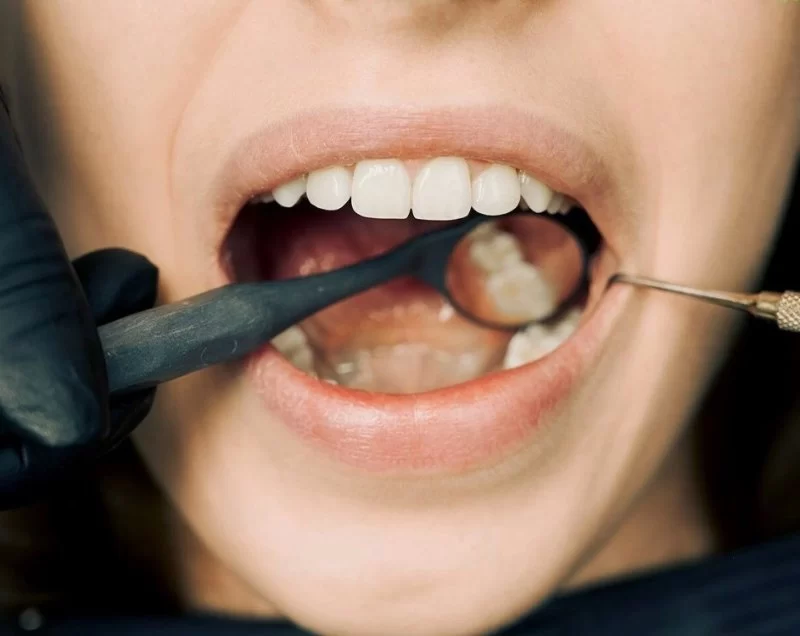
Is Oral Hygiene Linked to Heart Disease? Exploring the Critical Connection
1. A Surprising Trip to the Cardiologist
It started with bleeding gums. Robert, a 58-year-old retired firefighter from Colorado, had been ignoring mild gum sensitivity for months. Then came the fatigue, chest pain, and a visit to the ER. After a series of tests, he was diagnosed with early-stage heart disease. To his shock, his cardiologist mentioned a possible link to his gum inflammation—a connection he had never heard of.
Cases like Robert's aren’t isolated. Mounting research suggests that oral hygiene and heart disease are connected through chronic inflammation and the spread of harmful bacteria from the mouth to the bloodstream. Though it may sound surprising, your toothbrush could be one of the most powerful tools for heart health.
2. The Science Behind the Mouth-Heart Connection
2.1 How Gum Disease Can Influence the Heart
Gum disease, or periodontal disease, starts when plaque—a sticky film of bacteria—builds up around the teeth and under the gums. If not removed through brushing and flossing, this plaque leads to infection and inflammation. Over time, this chronic inflammation can enter the bloodstream and travel throughout the body.
Researchers believe that the bacteria responsible for gum disease can enter the bloodstream through bleeding gums and reach the heart, where it contributes to inflammation and may promote the formation of arterial plaque. This plaque buildup narrows the arteries and increases the risk of a heart attack or stroke.
2.2 Inflammatory Response and Endothelial Damage
The inner lining of blood vessels, known as the endothelium, is highly sensitive to inflammation. Oral infections trigger an immune response that can cause endothelial dysfunction. This process contributes to the thickening of artery walls, restricting blood flow, and encouraging clot formation—key factors in heart disease.
2.3 Research That Connects the Dots
According to the American Heart Association, there’s an established correlation between periodontal disease and heart conditions, although causation has not been definitively proven. A study published in the journal *Circulation* found that individuals with gum disease are almost twice as likely to suffer from heart-related complications. Another study from Harvard found elevated levels of CRP (C-reactive protein), an inflammatory marker, in patients with poor oral health.
3. Risk Factors Amplified by Poor Oral Hygiene
3.1 Diabetics and Seniors at Higher Risk
People with diabetes are particularly vulnerable. High blood sugar levels weaken the immune system, making them more prone to infections, including gum disease. Once gum disease sets in, it can worsen blood sugar control, creating a dangerous loop. Combine this with the already high cardiovascular risk in diabetics, and oral health becomes a top priority.
Older adults face similar concerns. As we age, gum recession, dry mouth due to medication, and limited dexterity make oral care harder. These challenges contribute to increased rates of both dental and cardiovascular problems among seniors.
3.2 Smoking and Systemic Inflammation
Smoking damages gum tissue and restricts blood flow, which increases susceptibility to infections and slows healing. It also contributes directly to arterial damage, compounding the risks posed by gum disease. The dual effect on oral and cardiovascular health makes tobacco one of the most dangerous risk factors.
4. Early Warning Signs You Shouldn’t Ignore
- Gums that bleed easily when brushing or flossing
- Chronic bad breath or a persistent metallic taste
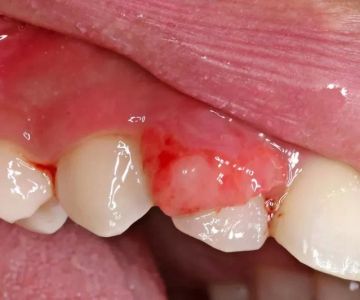
- Red, swollen, or tender gums
- Gums pulling away from teeth or teeth feeling loose
These signs often precede serious gum infections and, if untreated, may quietly contribute to increased cardiovascular risk.
5. Real-Life Accounts: How a Dentist Saved a Life
Julia, a 62-year-old yoga instructor from California, went in for a routine cleaning. Her hygienist noticed advanced gum inflammation and referred her to a periodontist. During her periodontal evaluation, elevated blood pressure and shortness of breath were noted—symptoms she had chalked up to stress. She was referred to a cardiologist, who diagnosed her with early-stage coronary artery disease.
Thanks to early detection, both her gum health and heart condition were treated proactively. This case illustrates how dental professionals can play a vital role in detecting non-dental health risks.
6. Steps You Can Take to Protect Your Mouth—and Your Heart
6.1 Develop a Consistent Oral Hygiene Routine
Brush your teeth twice daily for at least two minutes with fluoride toothpaste. Floss once a day to remove debris between teeth, and consider using an antimicrobial mouthwash. Electric toothbrushes can enhance plaque removal, especially for individuals with limited dexterity or arthritis.
6.2 Schedule Regular Dental Checkups
Visit your dentist every six months, or more frequently if you have a history of gum disease. Professional cleanings remove hardened plaque (tartar) that brushing can't, and early signs of gum disease can be reversed with proper care.
6.3 Monitor Your Heart Health in Tandem
If you’ve been diagnosed with gum disease, consider speaking with your primary care provider or cardiologist about your heart health. The link between the two is strong enough that many cardiologists now ask about oral hygiene during exams.
7. Bridging the Gap Between Dental and Medical Care
The U.S. healthcare system often treats dental and medical care as separate entities, but the reality is they are closely connected. Integrated care—where dentists, doctors, and specialists communicate—can dramatically improve outcomes, especially for patients with multiple chronic conditions.
Dental professionals are increasingly advocating for more awareness, and some are even incorporating heart health screenings into their practices. This movement aims to shift public understanding and promote preventive health measures that address the body as a whole.
Oral Health Isn’t Just About Teeth—It’s About Life
Maintaining your smile could protect more than your appearance; it might safeguard your heart. As we learn more about the role of bacteria, inflammation, and systemic disease, oral hygiene is proving to be a critical factor in overall wellness. Whether you’re managing diabetes, aging gracefully, or simply looking to stay healthy, your toothbrush just became a lot more important.
For tailored guidance on maintaining oral and overall health, connect with Dentistry Toothtruth—where prevention, science, and care meet.


 Dental Studio of Pasadena4.0 (305 review)
 Hawthorn Woods Family Dental Care5.0 (535 review)
 Celebrate Dental & Braces5.0 (229 review)
 Kevin B. Sands, DDS5.0 (168 review)
 Westgate Dental Arts3.0 (2 review)
 Dr. George Diaz, DDS5.0 (91 review)
 The Importance of Oral Health Education During Pregnancy for a Healthy Pregnancy
 Best Tips for Brushing Your Teeth Properly for Healthy Gums: Essential Techniques for Oral Health
 Why Skipping Dental Checkups Can Lead to Bigger Oral Health Problems
 Advantages of Porcelain Dental Restorations
 How Can Diabetes Cause Tooth and Gum Problems? Preventing and Managing Oral Health Issues
 Healthy Habits for Promoting Good Oral Health and Hygiene: Tips for a Healthy Smile