

1. Exploring the Connection Between Oral Health and Heart Disease
For years, dentists and doctors worked in separate realms—one focused on teeth, the other on the heart. But research over the past two decades has started to bridge that gap, especially with a growing body of evidence suggesting a surprising question: Is oral health linked to heart disease? The short answer is yes, and the implications are far-reaching for Americans, where both gum disease and cardiovascular conditions are among the most common health issues.
The American Heart Association has acknowledged a potential relationship between periodontal disease and heart disease. Though direct causation is still being studied, the correlation is strong enough to prompt concern and action—especially considering nearly half of U.S. adults over age 30 show signs of gum disease, according to the CDC.
2. How Gum Disease Can Affect the Heart
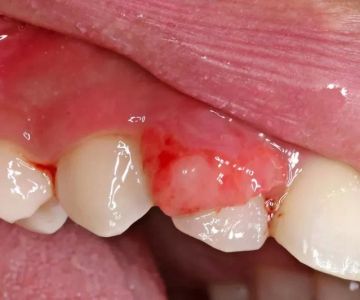
Gum disease, also called periodontal disease, is caused by bacterial infection that inflames the gums and can destroy the jawbone if left untreated. These harmful bacteria don’t just stay in the mouth—they can enter the bloodstream, triggering a systemic inflammatory response. This process is believed to contribute to the buildup of arterial plaque and increase the risk of heart attack or stroke.
2.1 Inflammation: A Shared Enemy
Inflammation is a key factor in both periodontitis and cardiovascular disease. The chronic inflammation caused by gum infection may lead to vascular inflammation—damaging blood vessels and promoting plaque buildup inside the arteries, known as atherosclerosis. Over time, this can obstruct blood flow and raise the risk of coronary heart disease.
2.2 Bacterial Spread and Arterial Damage
One of the most cited pathogens in gum disease, *Porphyromonas gingivalis*, has been detected in the arterial plaques of patients with heart disease. This suggests that oral bacteria might directly affect cardiovascular tissues. These microbes may not only travel through the bloodstream but also stimulate immune responses that harm the heart.
3. Scientific Evidence Supporting the Link
Multiple studies published in respected journals, such as the *Journal of the American College of Cardiology* and *Circulation*, indicate that individuals with moderate to severe periodontal disease are more likely to suffer from coronary artery disease. A 2018 meta-analysis found that those with gum disease had a 20% increased risk of developing cardiovascular issues.
3.1 Harvard Health Perspective
Harvard Medical School reports that while a direct cause-and-effect relationship has not been conclusively established, the evidence of an association is compelling enough for health professionals to urge better oral hygiene as a preventative health measure.
3.2 Veterans Health Administration Study
A study by the U.S. Veterans Health Administration involving over 100,000 participants showed that veterans with chronic gum disease were significantly more likely to experience heart complications compared to those with healthy gums—even after controlling for risk factors like smoking and diabetes.
4. Real Stories Behind the Science
Sometimes statistics aren’t enough to change behavior, but stories can make a difference. Take the case of Michael, a 52-year-old construction worker from Ohio. After ignoring bleeding gums for months, he ended up in the ER with chest pain. It turned out he had early signs of cardiovascular disease, and his dentist was the first to raise the red flag. A simple gum infection became a window into a deeper systemic issue that may have saved his life.
4.1 A Wake-Up Call in the Dental Chair
Many patients don’t realize their dentist may be the first to spot early signs of heart problems. Dentists often notice gum inflammation, loose teeth, or oral infections—symptoms that, when combined with fatigue or chest discomfort, could signal a larger cardiovascular issue. In fact, a growing number of dental practices across the U.S. are training staff to ask patients about heart health as part of routine cleanings.
5. Who’s Most at Risk in the U.S.?
Gum disease and heart disease share several common risk factors: smoking, poor diet, diabetes, obesity, and stress. According to the American Heart Association, individuals with these overlapping risks should be particularly vigilant about their dental care.
5.1 African American and Hispanic Populations
Data shows that African American and Hispanic communities in the U.S. are disproportionately affected by both gum and heart diseases. Socioeconomic barriers, limited access to dental insurance, and cultural perceptions around dental care contribute to this health disparity. Addressing these gaps through public health campaigns and affordable services is critical.
5.2 Older Adults and Seniors
Age plays a major role. Older adults are more likely to experience both gum recession and cardiovascular issues. Seniors who wear dentures or have missing teeth often assume dental care is no longer necessary, which is a dangerous misconception. Inflammation from untreated oral infections can still affect their systemic health.
6. What Americans Can Do to Protect Both Heart and Mouth
The good news is that oral and cardiovascular health can be improved simultaneously through consistent habits and medical support. Here's what experts recommend:
6.1 Brush and Floss Consistently
Brushing twice daily and flossing once a day significantly reduces plaque buildup, lowering both gum inflammation and the risk of bacteria entering the bloodstream. Using antimicrobial mouthwash can further protect oral tissues.
6.2 Quit Smoking
Smoking is a known risk factor for both periodontal and heart disease. Quitting smoking is one of the most powerful steps a person can take to protect both their gums and arteries.
6.3 Schedule Regular Dental Checkups
Routine cleanings and early detection of gum disease can help prevent complications that affect the heart. Dentists may also refer patients to physicians if systemic signs are observed.
6.4 Stay Informed and Seek Integrated Care
Ask your dentist and physician about how your oral health may be impacting your heart. With growing interdisciplinary awareness, more healthcare professionals are treating the mouth and body as part of one system—because they are.
7. Bridging the Gap with Dentistry Toothtruth
Maintaining good oral hygiene is no longer just about your smile—it’s about your heart and entire body. If you're looking for trusted professionals and advice on maintaining both dental and cardiovascular health, Dentistry Toothtruth offers tailored recommendations to fit your lifestyle and needs.
7.1 Tools and Products for Daily Protection
From electric toothbrushes to dentist-recommended toothpaste and mouthwash, our platform helps you select products designed to fight gum disease and promote total wellness.
7.2 Find a Holistic Dentist Near You
We connect you with professionals who understand the oral-systemic link and can provide care that looks beyond just the surface. Whether you live in New York or rural Arkansas, we help you find the best support available.
7.3 Personalized Oral Health Plans
Not sure where to begin? Our team helps craft a plan based on your lifestyle, age, and health status. It's never too late to start protecting your gums—and your heart.


 Southside Orthodontics - Your Colonial Heights and Chesterfield Orthodontist4.0 (274 review)
 Niloo Tavakol Inc4.0 (7 review)
 Dental365 - Bethpage4.0 (456 review)
 Robert B Larson, LPN, JD - Dental Attorney4.0 (5 review)
 Desert Valley Pediatric Dentistry - West Olive4.0 (705 review)
 Cary Dental Rejuvenation4.0 (473 review)
 The Importance of Oral Health Education During Pregnancy for a Healthy Pregnancy
 Best Tips for Brushing Your Teeth Properly for Healthy Gums: Essential Techniques for Oral Health
 Why Skipping Dental Checkups Can Lead to Bigger Oral Health Problems
 Advantages of Porcelain Dental Restorations
 How Can Diabetes Cause Tooth and Gum Problems? Preventing and Managing Oral Health Issues
 Healthy Habits for Promoting Good Oral Health and Hygiene: Tips for a Healthy Smile