
1. Why Many Adults Ask: Is It Too Late to Fix Oral Hygiene?
It’s a question dentists hear far too often: “Is it too late to fix my teeth?” Whether due to fear, financial concerns, or simply lack of time, many adults in the U.S. put off proper dental care until problems become difficult to ignore. But here’s the truth: it is rarely too late to turn things around.
One patient from Denver, age 57, hadn’t seen a dentist in 18 years. He had bleeding gums, tooth sensitivity, and chronic bad breath. But with a personalized care plan, including deep cleaning, gum therapy, and consistent follow-ups, he restored not only his dental health but his confidence. His story, like many others, shows that it’s possible—with the right guidance.
2. Understanding the Consequences of Neglected Oral Hygiene
2.1 The Chain Reaction of Poor Oral Health
When plaque builds up over time, it hardens into tartar. This leads to inflammation, gum disease, tooth decay, and eventually tooth loss if untreated. Bacteria in your mouth don’t just stay there—they can enter your bloodstream and increase the risk of heart disease, diabetes, and even Alzheimer’s disease.
2.2 Emotional and Social Impact
Beyond the physical effects, neglected teeth can lead to self-esteem issues, avoidance of social situations, and even professional setbacks. According to a 2024 survey, over 36% of Americans admitted feeling embarrassed about their teeth, with many avoiding smiling in photos or speaking in public.
3. How to Start Fixing Your Oral Hygiene—Even If It’s Been Years
3.1 Schedule a Comprehensive Dental Exam
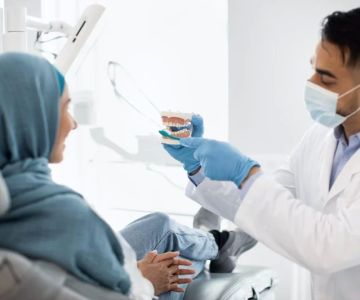
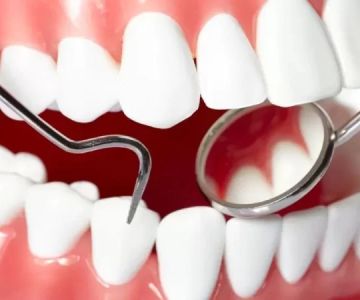
It all begins with an honest assessment. Dentists today use advanced digital X-rays, intraoral cameras, and 3D scanning to evaluate damage and create custom treatment plans. Don’t fear judgment—dentists care more about your progress than your past.
3.2 Develop a Step-by-Step Treatment Plan
If you've ignored oral care for years, expect a phased approach. This may include deep cleaning (scaling and root planing), cavity fillings, crowns, or possibly gum grafts. A plan helps you move from overwhelmed to empowered.
3.3 Make Preventive Habits Part of Your Life
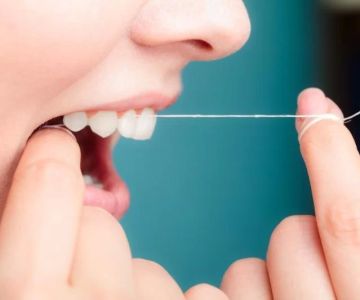
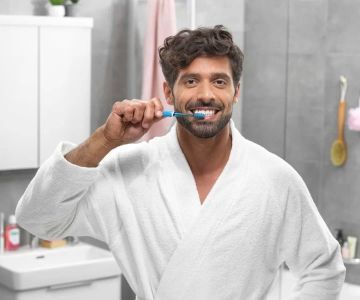
Daily brushing (twice a day), flossing, fluoride rinses, and dental checkups every six months can maintain your progress. Consider investing in an electric toothbrush or a water flosser, which are shown to be more effective for deep cleaning, especially around dental work or implants.
4. Special Considerations for Older Adults
4.1 Aging and Oral Health Challenges
As you age, gum tissue thins, dry mouth becomes more common (often due to medications), and the risk of root decay rises. But modern dentistry accounts for this with tailored treatments, like hydrating mouthwashes, fluoride varnishes, and non-invasive restorations.
4.2 Dentures, Implants, and Bridge Options
Missing multiple teeth? Don't feel defeated. Today's dental implants are more comfortable and lifelike than ever. Bridges and dentures are also more durable and discreet than past generations. Many adults over 60 report significantly improved quality of life after getting implants.
5. Reclaiming Confidence: Real Patient Stories
In Chicago, 42-year-old Jasmine hadn’t been to the dentist since college. After years of dealing with gum bleeding and yellowing teeth, she decided to get a cleaning and whitening treatment at her local clinic. The results surprised even her—her smile returned, and so did her social life. “I didn’t realize how much it affected me until I saw the change,” she shared.
From veterans in rural Montana to single moms in Miami, people are reclaiming their oral health and rebuilding confidence—one dental visit at a time.
6. Getting Professional Support Without Breaking the Bank
6.1 Insurance, Payment Plans, and Community Clinics
If cost is holding you back, know that many dental offices now offer flexible payment plans, in-house insurance, and special programs for low-income families. Some communities also host free dental days or partner with universities for reduced-cost services.
6.2 Online Resources and Consultations
Websites like Family Dentistry Online help users in the U.S. connect with reputable providers, compare treatment costs, and even book virtual consultations. This is especially useful for patients in remote or underserved areas.
7. The Psychological Benefits of Fixing Oral Hygiene
Fixing your smile isn’t just about your teeth—it’s about your identity. A healthy mouth boosts confidence, improves speech clarity, encourages better nutrition, and reduces anxiety. Studies even show that people with healthy teeth are more likely to be hired during job interviews.
So, is it too late to fix oral hygiene? Not at all. Whether you're 25 or 75, the best time to start is today. With the right plan, tools, and dental team, your smile can still have a bright future.

 Zhihao You, DDS, MS, PhD0.0 (0 review)
 Smileyville Braces and Invisalign4.0 (431 review)
 Arts District Dental4.0 (370 review)
 Barrett Dental Care4.0 (221 review)
 Westborough Family Dental5.0 (71 review)
 Crest Hill Family Dental4.0 (40 review)
 The Importance of Oral Health Education During Pregnancy for a Healthy Pregnancy
 Best Tips for Brushing Your Teeth Properly for Healthy Gums: Essential Techniques for Oral Health
 Why Skipping Dental Checkups Can Lead to Bigger Oral Health Problems
 Advantages of Porcelain Dental Restorations
 How Can Diabetes Cause Tooth and Gum Problems? Preventing and Managing Oral Health Issues
 Healthy Habits for Promoting Good Oral Health and Hygiene: Tips for a Healthy Smile