
Understanding the Importance of Fair Oral Hygiene
When it comes to taking care of our health, oral hygiene is one of the most often overlooked yet crucial aspects. Oral hygiene refers to the practice of keeping your mouth, teeth, and gums clean and free from disease-causing bacteria. Fair oral hygiene, or doing just enough to maintain cleanliness, can be sufficient for many, but it often falls short of the best practices required to protect your long-term dental health. In this article, we'll explore whether fair oral hygiene is good for you and how you can improve your routine to keep your teeth and gums healthy.
What Is Fair Oral Hygiene?
Fair oral hygiene typically means doing just the basics when it comes to brushing and flossing your teeth. This might involve brushing twice a day for about two minutes and flossing occasionally. While this is certainly better than neglecting oral hygiene altogether, fair oral hygiene can often miss some of the finer details required to prevent cavities, gum disease, and other oral health issues.
For example, brushing your teeth too quickly or not using the right technique can leave plaque behind, especially in hard-to-reach areas. Flossing once a week instead of daily can also allow bacteria to thrive in between your teeth, where brushing alone can't reach. Fair oral hygiene is better than no care, but it's not necessarily enough to maintain optimal oral health.
The Risks of Fair Oral Hygiene
While brushing twice a day and flossing occasionally is a good start, the risks of relying on fair oral hygiene can be significant. Over time, plaque buildup can lead to tooth decay, bad breath, and even gum disease. In fact, gum disease is one of the leading causes of tooth loss in adults, and it often develops because of inconsistent oral hygiene.
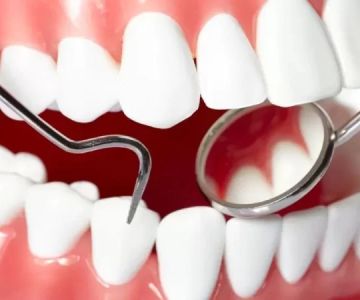
Another risk associated with fair oral hygiene is that you may not be aware of underlying issues such as cavities or early-stage gum disease. Without a more thorough cleaning and regular check-ups, small problems can escalate into major dental issues that require costly procedures like fillings, root canals, or even tooth extractions.
How to Improve Your Oral Hygiene Routine
Good oral hygiene is essential to maintaining a healthy smile and preventing dental issues. If you're relying on fair oral hygiene, it’s time to level up your dental care routine. Here are some tips for improving your oral hygiene:
1. Brush for Two Minutes, Twice a Day
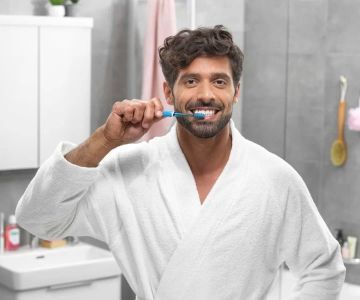
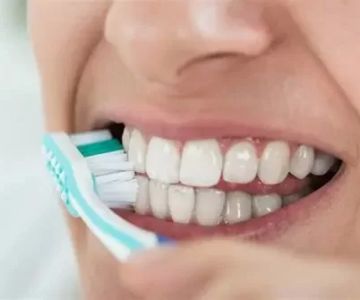
One of the most important aspects of proper oral hygiene is brushing your teeth for a full two minutes, twice a day. Many people rush through their brushing routine, but to remove plaque effectively, it's crucial to spend enough time on each part of your mouth. Use a soft-bristled toothbrush and fluoride toothpaste to ensure that you're cleaning effectively without causing damage to your enamel.
2. Don’t Skip Flossing
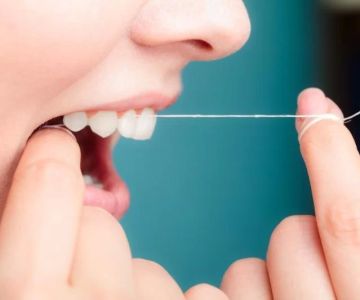
Flossing is essential for removing plaque and food particles between your teeth, where a toothbrush can't reach. It may seem like a chore, but flossing once a day can dramatically reduce your risk of gum disease and cavities. If you're struggling with traditional floss, consider using floss picks or a water flosser to make the process easier.
3. Use Mouthwash
Mouthwash is an excellent addition to your routine as it helps kill bacteria and freshens your breath. Look for a mouthwash that is antimicrobial and fluoride-based, which will provide extra protection against tooth decay and gum disease. Use it after brushing and flossing to maximize the benefits of your oral care routine.
4. Regular Dental Checkups
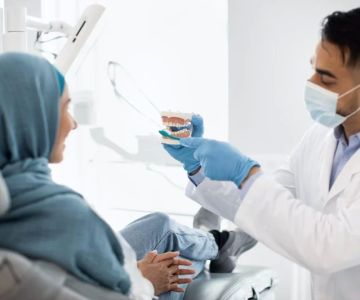
Even with the best at-home care, regular visits to the dentist are crucial for maintaining optimal oral health. A dentist can spot issues like cavities, gum disease, or oral cancer before they become serious problems. Aim for checkups every six months, or as recommended by your dentist.
5. Watch What You Eat and Drink
Your diet plays a significant role in your oral health. Foods high in sugar and acidity can contribute to tooth decay and enamel erosion. Be mindful of your intake of sugary snacks and acidic beverages like soda and citrus juices. Instead, opt for a balanced diet rich in fruits, vegetables, and calcium-rich foods to promote strong teeth.
Benefits of Good Oral Hygiene
Maintaining excellent oral hygiene has several important benefits that go beyond just having a beautiful smile:
1. Prevents Cavities and Tooth Decay
Good oral hygiene helps to prevent the buildup of plaque, which leads to tooth decay. Regular brushing and flossing remove food particles and bacteria that would otherwise create acids that erode tooth enamel.
2. Reduces the Risk of Gum Disease
Gum disease starts with the accumulation of plaque along the gum line. If left unchecked, this can lead to gingivitis, which can progress into more serious conditions such as periodontitis. Consistent oral hygiene helps prevent these conditions, keeping your gums healthy and free from infection.
3. Saves Money in the Long Run
By maintaining good oral hygiene, you're more likely to avoid costly dental procedures like fillings, crowns, or root canals. Regular maintenance with proper care prevents the need for expensive treatments, saving you money over time.
4. Promotes Overall Health
Oral health is linked to overall health. Poor oral hygiene has been associated with a higher risk of heart disease, diabetes, and even respiratory infections. By taking care of your teeth and gums, you're not just protecting your mouth, but your entire body.
Story: How One Man Overcame Bad Oral Hygiene Habits
Meet John, a 35-year-old father who once thought fair oral hygiene was enough to keep his teeth in check. For years, he brushed twice a day and flossed occasionally, assuming he was doing just fine. However, during a routine check-up, his dentist found the early stages of gum disease and several cavities that needed attention.
John's dentist explained that his "fair" approach to oral care wasn’t enough to prevent plaque buildup, and he needed to step up his routine. After making some changes—such as brushing longer, flossing daily, and using mouthwash—John's oral health improved significantly. He learned that when it comes to dental hygiene, fair just isn’t good enough. His new habits saved him from costly procedures and ensured his smile stayed healthy for years to come.
Just like John, you too can improve your oral health by making a few small changes to your daily routine. Don’t wait until it's too late—start practicing excellent oral hygiene today for a healthier, brighter smile.
If you're looking for expert advice and dental care, visit Family Dentistry Online for the best recommendations and services tailored to your needs.

 Lincoln Dental4.0 (755 review)
 Western Dental & Orthodontics4.0 (93 review)
 Brian Roehl, DDS1.0 (1 review)
 Smile Care Dental Associates: Dilip Patel DDS4.0 (5 review)
 White Hill Dental4.0 (153 review)
 Acworth Smiles Dentistry4.0 (145 review)
 The Importance of Oral Health Education During Pregnancy for a Healthy Pregnancy
 Best Tips for Brushing Your Teeth Properly for Healthy Gums: Essential Techniques for Oral Health
 Why Skipping Dental Checkups Can Lead to Bigger Oral Health Problems
 Advantages of Porcelain Dental Restorations
 How Can Diabetes Cause Tooth and Gum Problems? Preventing and Managing Oral Health Issues
 Healthy Habits for Promoting Good Oral Health and Hygiene: Tips for a Healthy Smile