
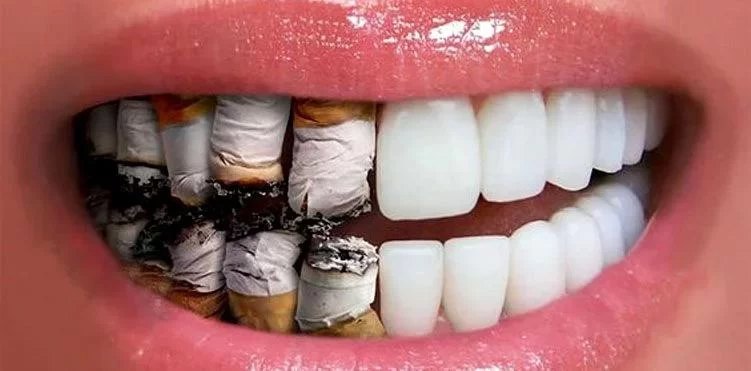
The Impact of Smoking on Your Teeth: How Smoking Affects Your Oral Health
- How Smoking Causes Teeth Discoloration
- The Link Between Smoking and Gum Disease
- Other Oral Health Risks Linked to Smoking
- Real-Life Stories: How Smoking Affected Oral Health
- How to Improve Oral Health After Quitting Smoking
How Smoking Causes Teeth Discoloration
One of the most noticeable impacts of smoking on your teeth is discoloration. The tar and nicotine found in cigarettes not only stain your teeth but can also cause a yellow or brownish hue to develop. These stains can be difficult to remove with regular brushing, leading to persistent discoloration that may make you self-conscious about your smile.
Teeth whitening treatments and professional cleanings can help, but the most effective way to prevent these stains is to quit smoking. Quitting will stop further staining and give your teeth a chance to recover their natural brightness.
The Link Between Smoking and Gum Disease
Smoking is a leading cause of gum disease, as it weakens your immune system and reduces blood flow to your gums. This makes it harder for your body to fight off infections, including those that affect your gums. Over time, smoking can lead to gingivitis, which can progress to more severe forms of gum disease, such as periodontitis.
Gum disease can result in gum recession, tooth mobility, and, in the worst case, tooth loss. The best way to protect your gums is to quit smoking and maintain regular dental visits to catch any early signs of gum problems.
Other Oral Health Risks Linked to Smoking
Besides teeth discoloration and gum disease, smoking poses other significant oral health risks:
- Bad Breath: Smoking leaves behind an unpleasant odor that lingers in your mouth, leading to chronic bad breath, also known as halitosis.
- Tooth Loss: Smokers are more likely to experience tooth loss due to the combination of gum disease and reduced healing ability after dental procedures.
- Oral Cancer: Smoking is a major risk factor for oral cancer. The chemicals in tobacco can damage the cells in your mouth and throat, increasing the likelihood of cancerous growths.
- Slower Healing: Smoking impairs your body’s ability to heal, meaning that any oral surgery or dental procedure you undergo may take longer to recover from.
The toll that smoking takes on your teeth and gums is severe, and quitting can help prevent these risks from worsening.
Real-Life Stories: How Smoking Affected Oral Health
Many smokers have experienced the detrimental effects smoking can have on their oral health. Here are a few real-life examples:
Anna's Experience: “I used to smoke a pack a day for over 10 years. My teeth became yellow, and I had bad breath that wouldn’t go away no matter how much I brushed. Eventually, I started to notice my gums bleeding every time I brushed my teeth. I went to the dentist and was diagnosed with gum disease. Quitting smoking has been the best decision I made for my oral health. My breath is fresher, and my gums feel healthier now.”
John's Story: “After 20 years of smoking, I began to experience tooth mobility and was told I might lose some teeth. I didn’t realize smoking had weakened my gums so much. After quitting, I started to take better care of my teeth and gums, and I can honestly say I’ve avoided more damage and saved my teeth. My dentist says that my gums have improved.”
These stories illustrate the serious consequences smoking can have on your teeth and gums, and the positive impact quitting can have on your oral health.
How to Improve Oral Health After Quitting Smoking
If you’ve quit smoking or are in the process of quitting, there are several steps you can take to improve your oral health:
- Schedule Regular Dental Checkups: Regular visits to the dentist can help catch any problems early and ensure your oral health is on the right track.
- Brush and Floss Regularly: Maintaining a consistent oral hygiene routine will help remove plaque and prevent gum disease.
- Use Mouthwash: Mouthwash can help eliminate bacteria and freshen your breath, making your mouth feel cleaner.
- Consider Teeth Whitening: After quitting smoking, consider a professional whitening treatment to restore the brightness of your smile.
Taking these steps will ensure that your oral health improves after quitting smoking, and your smile will thank you.
For more advice on quitting smoking and maintaining oral health, visit Dentistry Toothtruth for professional support and services.






 Smile Design Studio Of Hyde Park LLC4.0 (367 review)
 The Dentists, LLC5.0 (180 review)
 Whitewater Orthodontic Studios5.0 (137 review)
 Bates Dental Care5.0 (14 review)
 Emergency Dentist 24/7 Downingtown1.0 (1 review)
 Zirbel Orthodontics5.0 (138 review)
 The Importance of Oral Health Education During Pregnancy for a Healthy Pregnancy
 Best Tips for Brushing Your Teeth Properly for Healthy Gums: Essential Techniques for Oral Health
 Why Skipping Dental Checkups Can Lead to Bigger Oral Health Problems
 Advantages of Porcelain Dental Restorations
 How Can Diabetes Cause Tooth and Gum Problems? Preventing and Managing Oral Health Issues
 Healthy Habits for Promoting Good Oral Health and Hygiene: Tips for a Healthy Smile