
Understanding the Critical Link Between Oral Hygiene and Overall Health
Many people think that oral hygiene is only about having a bright smile or fresh breath, but its impact reaches far beyond aesthetics. Your oral health plays a crucial role in your body's overall well-being, influencing heart health, diabetes control, respiratory conditions, and even pregnancy outcomes. The mouth is the gateway to the body, and poor dental hygiene can open the door to a range of serious health issues.
Scientific research has increasingly shown strong associations between oral diseases like gum inflammation and systemic health problems. For instance, periodontitis, a severe gum infection, has been linked to increased risks of cardiovascular disease. The bacteria that thrive in infected gums can enter the bloodstream, triggering inflammation in blood vessels, which may contribute to heart attacks or strokes. Understanding this connection empowers you to take better care of your oral hygiene not only for your teeth but also for your overall health.
1. How Gum Disease Can Affect Your Heart and Blood Vessels
1.1 The role of inflammation in cardiovascular health
Gum disease is essentially a chronic inflammatory condition caused by the buildup of plaque bacteria along the gumline. This persistent inflammation can spill over into your bloodstream, affecting the lining of blood vessels and contributing to atherosclerosis, the buildup of fatty plaques that narrow arteries. Studies published in journals like the Journal of the American Heart Association emphasize that people with periodontitis have a significantly higher risk of heart disease.
1.2 Real-life stories illustrating the link
Take the case of Sarah, a 45-year-old teacher from Ohio. She ignored her gum bleeding for years, assuming it was minor. After a mild heart attack, her doctor pointed out the link between her poor oral hygiene and cardiovascular health. After treatment of her gum disease and improved dental care, she noticed better heart health markers during follow-ups. Stories like Sarah’s highlight the importance of treating oral health seriously.
2. Oral Health and Diabetes: A Two-Way Street
2.1 How diabetes worsens oral health
People with diabetes are more prone to infections, including gum disease, because elevated blood sugar weakens the immune system and promotes bacterial growth. High glucose levels in saliva encourage plaque accumulation, worsening inflammation and tooth decay.
2.2 How poor oral hygiene affects diabetes control
Conversely, gum disease can make it harder to control blood sugar, creating a vicious cycle. Inflammation from infected gums can increase insulin resistance, raising blood sugar levels and complicating diabetes management. A study by the American Diabetes Association shows that treating gum disease helps improve blood sugar control, underscoring the importance of regular dental visits for diabetic patients.
3. Respiratory Health and Oral Hygiene
The mouth hosts a variety of bacteria, some beneficial and some harmful. Poor oral hygiene allows harmful bacteria to proliferate, which can be inhaled into the lungs, especially in older adults or those with chronic respiratory conditions. This can lead to serious illnesses such as pneumonia or chronic obstructive pulmonary disease (COPD) exacerbations.
Research from the National Institutes of Health (NIH) supports that maintaining good oral hygiene reduces the risk of respiratory infections, especially in vulnerable populations like nursing home residents. Simple steps like regular brushing, flossing, and professional cleanings significantly lower this risk.
4. Pregnancy and Oral Health: Protecting Mother and Baby
4.1 Effects of gum disease during pregnancy
Hormonal changes during pregnancy increase susceptibility to gum disease, which can have serious consequences. Studies have linked untreated periodontal disease to premature births, low birth weights, and preeclampsia. The inflammation and bacteria can enter the bloodstream and affect the placenta, impacting fetal development.
4.2 Oral care tips for expecting mothers
Expectant mothers should prioritize dental checkups and maintain diligent oral hygiene routines. Using a soft-bristled toothbrush, gentle flossing, and avoiding sugary snacks can help keep gums healthy. Dentists may also recommend professional cleanings more frequently during pregnancy.
5. Practical Steps to Improve Your Oral Hygiene
Good oral hygiene doesn’t require expensive products or complicated routines, but consistency is key. Follow these essential habits:
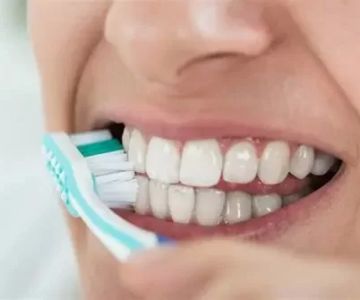
- Brush your teeth at least twice daily with fluoride toothpaste for two minutes each time.
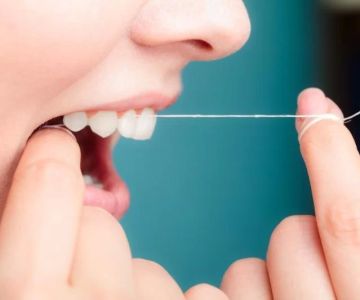
- Floss daily to remove plaque and food particles between teeth.
- Limit sugary and acidic foods and drinks that promote tooth decay.
- Visit your dentist regularly for professional cleanings and early detection of problems.
- Consider using antimicrobial mouthwash to reduce bacteria and freshen breath.
Following these steps not only keeps your smile bright but also safeguards your general health by reducing inflammation and bacterial buildup.
6. The Role of Diet and Lifestyle in Oral and Overall Health
Your diet strongly influences oral health. Nutrient-rich foods like leafy greens, nuts, dairy products, and crunchy vegetables provide vitamins and minerals essential for healthy teeth and gums. Conversely, excessive sugar intake fuels harmful bacteria growth, increasing the risk of cavities and gum disease.
Smoking is another major risk factor that harms oral tissues and impairs immune response, making it harder to fight infections. Quitting smoking significantly improves oral health and reduces the risk of oral cancer and periodontal disease.
Hydration also plays a role: saliva helps neutralize acids and wash away bacteria. Drinking plenty of water supports saliva production and overall mouth health.
7. The Psychological and Social Benefits of Good Oral Hygiene
Beyond physical health, good oral hygiene has profound psychological and social effects. Healthy teeth and fresh breath boost confidence, enabling better social interactions and professional success. Poor oral health, on the other hand, can cause embarrassment, social withdrawal, and even depression.
Jessica, a marketing executive from New York, shared how overcoming chronic bad breath through diligent oral care changed her personal and professional life. She gained self-confidence and noticed more positive responses in meetings and social events, proving that oral hygiene truly impacts overall quality of life.
8. When to See a Dentist: Recognizing Warning Signs
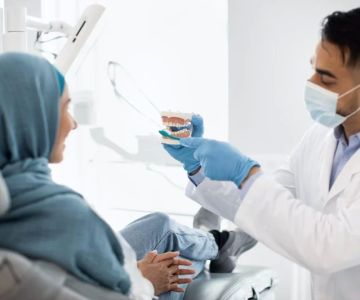
Timely dental visits are vital to catching problems before they escalate. Watch for signs such as persistent bad breath, bleeding gums, tooth sensitivity, loose teeth, or jaw pain. If you notice any of these, consult your dentist promptly to prevent further complications.
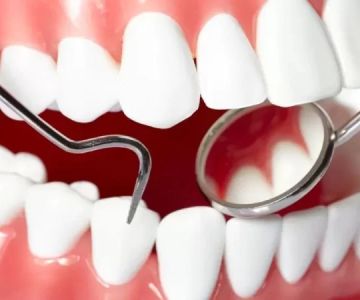
Regular dental checkups allow professional cleaning that removes tartar buildup unreachable by brushing alone. Early intervention reduces the risk of systemic health issues linked to oral infections.
Taking care of your oral health is more than a cosmetic choice — it’s a fundamental part of protecting your overall well-being. For those seeking expert guidance and services, consider visiting Dentistry Toothtruth for personalized dental care solutions tailored to keep your mouth and body healthy.


 Creedmoor Road General Dentistry5.0 (132 review)
 Nice Dental Care4.0 (24 review)
 Dentist Of Wyckoff NJ0.0 (0 review)
 Schooley Dental0.0 (0 review)
 Broadmoor Valley Dental4.0 (133 review)
 Vallejo Eudoro DDS5.0 (1 review)
 The Importance of Oral Health Education During Pregnancy for a Healthy Pregnancy
 Best Tips for Brushing Your Teeth Properly for Healthy Gums: Essential Techniques for Oral Health
 Why Skipping Dental Checkups Can Lead to Bigger Oral Health Problems
 Advantages of Porcelain Dental Restorations
 How Can Diabetes Cause Tooth and Gum Problems? Preventing and Managing Oral Health Issues
 Healthy Habits for Promoting Good Oral Health and Hygiene: Tips for a Healthy Smile