
- Understanding Tooth Decay
- Stages of Tooth Decay and How It Spreads
- Factors That Affect the Spread of Tooth Decay
- How to Prevent Tooth Decay from Spreading
Understanding Tooth Decay
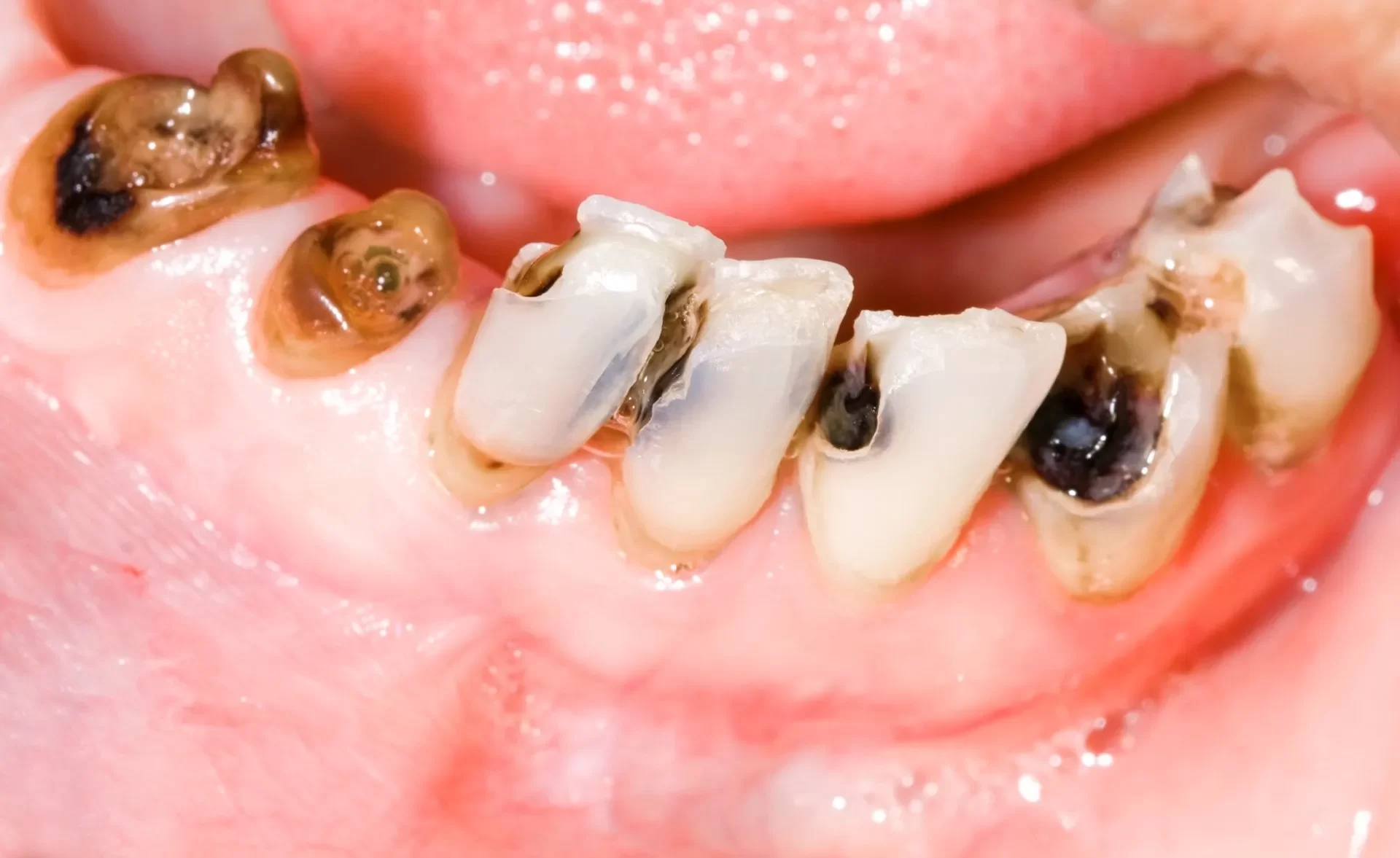
Tooth decay is a common dental issue that occurs when acids produced by bacteria in the mouth erode the hard outer layer of the tooth, known as enamel. Over time, the enamel breaks down, leading to cavities and more severe dental issues. While everyone is at risk of tooth decay, the rate at which it spreads can vary depending on factors such as diet, oral hygiene, and genetics. In this article, we'll explore how tooth decay spreads over time and how you can prevent it from worsening.
Stages of Tooth Decay and How It Spreads
Tooth decay doesn't happen overnight. It is a gradual process that typically progresses through several stages. Understanding these stages can help you catch and treat tooth decay early, before it spreads too far.
1. Stage One: Demineralization
In the early stages of tooth decay, the enamel begins to lose essential minerals due to exposure to acids from food, drinks, and bacteria. This process is known as demineralization. At this point, the damage is still reversible, and you can prevent further decay by practicing good oral hygiene, such as brushing with fluoride toothpaste.
2. Stage Two: Enamel Decay
If demineralization continues, the enamel may eventually begin to break down, leading to the formation of cavities. Cavities are small holes that form in the enamel, making the tooth more susceptible to further damage. At this stage, a dental filling may be needed to restore the tooth and prevent further decay.
3. Stage Three: Dentin Decay
As the decay progresses, it reaches the second layer of the tooth, known as dentin. Dentin is softer than enamel, and when it becomes infected, the decay spreads more rapidly. This stage typically causes increased tooth sensitivity, pain, and discomfort. A more extensive treatment, such as a root canal, may be required to save the tooth.
4. Stage Four: Pulp Infection
If tooth decay continues to spread, it can reach the pulp, the innermost part of the tooth, which contains nerves and blood vessels. Once the pulp becomes infected, the tooth can become abscessed, causing severe pain and potentially leading to tooth loss. At this stage, extraction may be necessary if the tooth cannot be saved.
Factors That Affect the Spread of Tooth Decay
The rate at which tooth decay spreads can depend on several factors, including:
1. Diet and Sugar Consumption
Consuming sugary foods and drinks can fuel the bacteria that cause tooth decay. The longer sugar remains in the mouth, the more acids are produced, leading to faster enamel breakdown. Limiting sugar intake and avoiding snacking between meals can slow the progression of tooth decay.
2. Oral Hygiene Habits
Brushing and flossing regularly are essential to removing food particles and bacteria from the mouth. Poor oral hygiene leads to the buildup of plaque, which contains acids that can attack tooth enamel and promote decay. If plaque is not removed, it can harden into tartar, which can only be removed by a dentist.
3. Saliva Production
Saliva plays a vital role in protecting teeth by neutralizing acids and washing away food particles. Reduced saliva flow, often caused by medications or medical conditions, can contribute to faster tooth decay. Keeping hydrated and chewing sugar-free gum can help increase saliva production.
4. Genetics and Health Conditions
Genetics can influence the strength and thickness of your tooth enamel, affecting your susceptibility to decay. Additionally, health conditions such as acid reflux, diabetes, or dry mouth can increase the risk of tooth decay and contribute to its rapid spread.
How to Prevent Tooth Decay from Spreading
Prevention is the best way to avoid the spread of tooth decay. Here are some tips to help keep your teeth healthy:
1. Brush and Floss Regularly
Brush your teeth at least twice a day with fluoride toothpaste and floss daily to remove plaque buildup. This helps prevent the formation of cavities and stops decay from spreading to neighboring teeth.
2. Use Fluoride Products
Fluoride strengthens tooth enamel and can help reverse early-stage demineralization. Make sure to use fluoride toothpaste and consider fluoride treatments or mouthwashes recommended by your dentist.
3. Limit Sugar Intake
Reducing your intake of sugary foods and drinks is crucial in preventing tooth decay. If you do consume sugary snacks, try to do so during meals to minimize the time sugar stays in your mouth.
4. Regular Dental Check-ups
Visit your dentist regularly for check-ups and cleanings. Regular professional cleanings can help prevent plaque buildup, and your dentist can catch early signs of decay before it spreads further.
If you want to learn more about preventing tooth decay and how to maintain healthy teeth, visit Dentistry Toothtruth for expert advice and solutions.






 Metro Smiles Gage Park2.0 (36 review)
 Aubin Orthodontics4.0 (38 review)
 Acosta Dental Care4.0 (47 review)
 Cicero Dental Center4.0 (222 review)
 Precision Dental Partners4.0 (41 review)
 Canton Orthodontics4.0 (117 review)
 The Importance of Oral Health Education During Pregnancy for a Healthy Pregnancy
 Best Tips for Brushing Your Teeth Properly for Healthy Gums: Essential Techniques for Oral Health
 Why Skipping Dental Checkups Can Lead to Bigger Oral Health Problems
 Advantages of Porcelain Dental Restorations
 How Can Diabetes Cause Tooth and Gum Problems? Preventing and Managing Oral Health Issues
 Healthy Habits for Promoting Good Oral Health and Hygiene: Tips for a Healthy Smile