
How to Treat Tooth Abscesses: A Complete Guide
- 1. What Is a Tooth Abscess?
- 2. Symptoms of a Tooth Abscess
- 3. How to Treat Tooth Abscesses
- 4. Prevention of Tooth Abscesses
- 5. Real-Life Experience with Tooth Abscesses
1. What Is a Tooth Abscess?
A tooth abscess is a localized infection within the tooth or gums, which can lead to severe pain, swelling, and more serious dental health issues if left untreated. The infection typically occurs when bacteria enter the pulp of the tooth, often caused by untreated cavities, gum disease, or trauma to the tooth. Abscesses can appear in different forms, such as periapical abscesses (inside the tooth) or periodontal abscesses (in the gums around the tooth).
If you suspect that you have a tooth abscess, it's important to seek dental care as soon as possible to prevent complications.
2. Symptoms of a Tooth Abscess
Tooth abscesses can present various symptoms, which may range from mild discomfort to severe pain. Common signs to watch for include:
- Severe Tooth Pain: This is usually the most noticeable symptom, and it can worsen when chewing or touching the affected area.
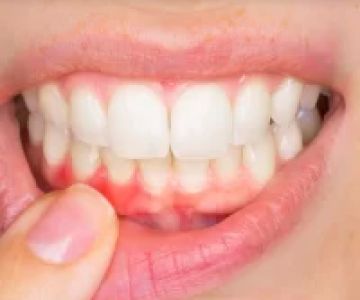
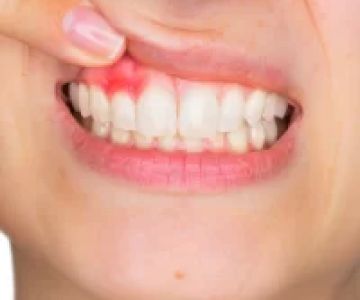
- Swelling and Redness: Swelling in the gums or face near the affected tooth is common.
- Sensitivity to Temperature: The affected tooth may be highly sensitive to hot or cold foods and drinks.
- Bad Breath and Taste: The infection can cause a foul odor in the mouth or a bad taste.
- Fever: A high fever can be a sign that the infection is spreading.
If you experience any of these symptoms, it’s crucial to visit a dentist promptly to avoid further complications.
3. How to Treat Tooth Abscesses
Treating a tooth abscess typically requires professional dental care. Here’s what you can expect:
- Antibiotics: A dentist may prescribe antibiotics to help clear the infection. However, antibiotics alone won't treat the abscess; they are often used to control the infection before further procedures.
- Drainage: If there is an abscess, the dentist may need to drain the pus to alleviate pain and reduce swelling. This is typically done through a small incision in the gum or by draining the abscess through the tooth.
- Root Canal: In some cases, a root canal may be necessary to remove the infected pulp from inside the tooth, which helps to preserve the tooth and prevent future infection.
- Tooth Extraction: If the abscess is severe and the tooth cannot be saved, extraction may be the best option to eliminate the infection completely.
- Pain Management: Over-the-counter pain relievers may be recommended to manage pain until the infection is fully treated.
It’s important to follow the dentist’s instructions carefully to ensure the infection is completely eliminated and to reduce the risk of recurrence.
4. Prevention of Tooth Abscesses
Preventing tooth abscesses is possible by taking good care of your oral hygiene. Here are some key practices to help protect your teeth:
- Brush and Floss Regularly: Brushing your teeth twice a day and flossing once a day help remove plaque and food particles that can lead to cavities and infections.
- Visit Your Dentist Regularly: Regular checkups allow your dentist to catch any issues, such as cavities or gum disease, early before they lead to abscesses.
- Eat a Healthy Diet: A balanced diet rich in vitamins and minerals helps keep your teeth and gums strong and resistant to infection.
- Avoid Smoking: Smoking can increase your risk of gum disease and tooth decay, making you more susceptible to abscesses.
By following these guidelines, you can significantly reduce your risk of developing a tooth abscess and maintain optimal oral health.
5. Real-Life Experience with Tooth Abscesses
Many individuals have shared their experiences dealing with tooth abscesses, and their stories highlight the importance of timely treatment. For example, one patient discussed how a tooth abscess led to severe pain and swelling in their face. After visiting the dentist, they received antibiotics and a root canal, which successfully cleared the infection and preserved the tooth. Another patient shared how they ignored early symptoms, which led to an emergency extraction of a tooth to resolve the abscess.
These stories emphasize the importance of seeking professional dental care early to prevent complications and preserve your teeth.




 Peninsula Family Dentistry5.0 (193 review)
 Stephanie ML Wong, DMD, Inc.5.0 (1 review)
 RVA Dental Care4.0 (590 review)
 Brace Busters3.0 (2 review)
 Uncasville Dental Associates4.0 (103 review)
 Jay M. Goldberg, DDS5.0 (1 review)
 The Importance of Oral Health Education During Pregnancy for a Healthy Pregnancy
 Best Tips for Brushing Your Teeth Properly for Healthy Gums: Essential Techniques for Oral Health
 Why Skipping Dental Checkups Can Lead to Bigger Oral Health Problems
 Advantages of Porcelain Dental Restorations
 How Can Diabetes Cause Tooth and Gum Problems? Preventing and Managing Oral Health Issues
 Healthy Habits for Promoting Good Oral Health and Hygiene: Tips for a Healthy Smile