
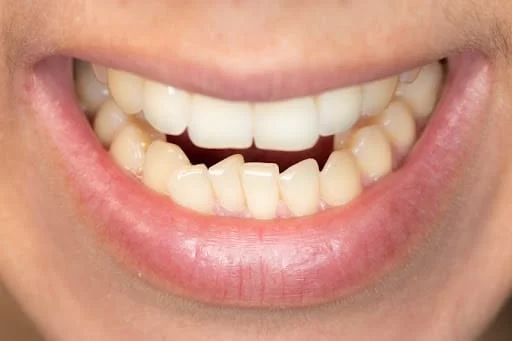
How to Stop Teeth from Shifting After Braces: Effective Tips and Retainer Use
- Why Teeth Shift After Braces
- The Role of Retainers in Preventing Shifting
- Tips for Maintaining Straight Teeth After Braces
- When to Seek Professional Help
1. Why Teeth Shift After Braces
One of the most common concerns after completing orthodontic treatment is the potential for teeth to shift back to their original positions. This can happen for several reasons:
- Natural Teeth Movement: Even after braces, teeth are constantly moving. The bone around your teeth changes over time, which can lead to slight shifts.
- Absence of Retainers: Without a retainer to help stabilize the teeth, they can move back after the braces are removed.
- Failure to Follow Post-Care Instructions: Not wearing a retainer as prescribed or not following the dentist's recommendations can cause your teeth to gradually shift.
Understanding why teeth shift after braces can help you take proactive measures to prevent this from happening. A retainer is key to keeping your smile intact.
2. The Role of Retainers in Preventing Shifting
Retainers are essential for keeping your teeth in their new, correct position after braces. There are two main types of retainers:
- Fixed Retainers: These are thin wires placed on the back of your teeth, providing constant support. Fixed retainers are often used on the lower teeth or in patients with significant shifting concerns.
- Removable Retainers: These can be taken out for cleaning and eating, and are typically worn at night or as prescribed by your orthodontist. They help maintain tooth position by applying gentle pressure to keep teeth aligned.
Whether you wear a fixed or removable retainer, the key to preventing shifting is consistency. If you stop wearing your retainer too soon, you risk undoing all the hard work from your braces.
3. Tips for Maintaining Straight Teeth After Braces
In addition to wearing your retainer, there are several steps you can take to maintain your straight teeth:
- Follow Retainer Instructions: Whether your orthodontist recommends wearing your retainer full-time or only at night, be sure to stick to the schedule.
- Regular Dental Checkups: Regular visits to your dentist or orthodontist can help monitor any changes in your teeth and address potential issues early on.
- Good Oral Hygiene: Keeping your teeth clean and healthy will ensure they stay in the best shape possible. Brushing twice a day and flossing regularly are key habits to adopt.
- Avoid Hard or Sticky Foods: Eating foods that could damage your teeth or dislodge your retainer can affect your smile. Avoid chewing on hard objects or sticky candies that can interfere with your retainer.
- Stay Consistent: It may feel tempting to skip a night with your retainer, but staying consistent with your wear schedule is the best way to ensure your teeth stay straight.
These habits, along with proper retainer use, can help you keep your teeth in perfect alignment for years to come. Consistency is crucial!
4. When to Seek Professional Help
If you notice any shifting of your teeth despite wearing your retainer, it’s important to contact your orthodontist. They may suggest additional treatment or an adjustment to your retainer. Here are some signs that it’s time to seek professional help:
- Visible Shifting: If your teeth begin to visibly shift or feel out of place, your retainer may need adjustment.
- Discomfort or Pain: If you experience pain or discomfort when wearing your retainer, it may not be fitting properly or your teeth may need further attention.
- Inconsistent Wear: If you’ve been neglecting to wear your retainer as instructed, it’s a good idea to schedule a visit to make sure your teeth are still in the right position.
Your orthodontist can help correct minor shifts and ensure that your smile stays straight long after your braces are off.
Maintaining your straight teeth after braces requires dedication, but the results are well worth the effort. For expert advice on keeping your teeth in top condition or to learn more about retainers, visit Dentistry Toothtruth for more information and personalized care.






 Dental Solutions of Roxborough4.0 (219 review)
 Town Dental - Excelsior4.0 (52 review)
 Dr. Kimmy4.0 (111 review)
 Buttacavoli Dental Arts5.0 (16 review)
 Metro Dentalcare West St. Paul4.0 (125 review)
 Corona Hills Modern Dentistry and Orthodontics4.0 (137 review)
 The Importance of Oral Health Education During Pregnancy for a Healthy Pregnancy
 Best Tips for Brushing Your Teeth Properly for Healthy Gums: Essential Techniques for Oral Health
 Why Skipping Dental Checkups Can Lead to Bigger Oral Health Problems
 Advantages of Porcelain Dental Restorations
 How Can Diabetes Cause Tooth and Gum Problems? Preventing and Managing Oral Health Issues
 Healthy Habits for Promoting Good Oral Health and Hygiene: Tips for a Healthy Smile