
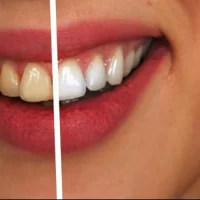
How to Stop Teeth from Becoming Stained Over Time
- 1. Why Stopping Teeth Staining Is Essential
- 2. Common Causes of Teeth Staining
- 3. How to Prevent Teeth Staining
- 4. Oral Care Tips to Keep Teeth White
- 5. Best Products for Stain Prevention
1. Why Stopping Teeth Staining Is Essential
A bright, white smile is often associated with good health, confidence, and vitality. Teeth stains can gradually diminish the radiance of your smile, which is why it’s important to focus on stopping teeth from becoming stained over time. Beyond aesthetics, maintaining white teeth is also linked to good oral hygiene practices that contribute to overall dental health.
Preventing teeth stains requires a proactive approach that includes managing your diet, oral care routine, and lifestyle habits. By understanding the causes and taking the right steps, you can enjoy long-lasting whiteness without frequent trips to the dentist or expensive whitening treatments.
2. Common Causes of Teeth Staining
Teeth staining occurs when food, drinks, and even habits like smoking cause pigments to build up on the enamel, the outer layer of your teeth. Over time, this can lead to discoloration that can be difficult to remove. Here are some of the common causes of teeth staining:
- Foods and Beverages: Certain foods and drinks are notorious for causing stains. Coffee, tea, red wine, and sugary snacks are the main culprits. These contain acids and pigments that can stain enamel.
- Smoking or Tobacco Use: Smoking is a major cause of dental discoloration. The nicotine and tar in tobacco can cause yellowing and build up on the teeth.
- Poor Oral Hygiene: Not brushing or flossing regularly allows plaque and tartar to build up on your teeth. Over time, this can cause the teeth to appear yellow or discolored.
- Age: As we age, enamel naturally thins, and the yellowish dentin beneath it becomes more visible. This can cause teeth to appear duller and more prone to staining.
- Medications: Certain medications, including antihistamines, antipsychotics, and high blood pressure drugs, can lead to staining by affecting the enamel or causing dry mouth, which reduces saliva production and allows stains to linger.
By being aware of these causes, you can take steps to avoid or minimize their impact on your teeth.
3. How to Prevent Teeth Staining
Preventing teeth from becoming stained over time requires a combination of good habits and the right dental care products. Here’s how you can protect your smile:
- Avoid Staining Foods and Drinks: Limiting or avoiding coffee, tea, red wine, and acidic foods like citrus can significantly reduce the chances of staining. If you do consume these, try to rinse your mouth with water afterward to reduce their effects.
- Quit Smoking: Tobacco use is one of the most significant contributors to teeth stains. Quitting smoking or using tobacco products can help maintain your teeth’s natural whiteness.
- Use a Straw: When drinking dark liquids like coffee or cola, using a straw can help minimize direct contact with your teeth, reducing the risk of staining.
- Brush After Meals: Brushing your teeth after meals helps remove food particles and prevents plaque from forming, which can lead to staining over time. If brushing isn’t an option, rinsing your mouth with water can also help.
By following these simple tips, you can prevent teeth from becoming stained and preserve the natural whiteness of your smile for years to come.
4. Oral Care Tips to Keep Teeth White
In addition to avoiding staining foods and drinks, it’s essential to have a solid oral care routine that helps keep your teeth white:
- Brush Twice a Day: Brushing your teeth at least twice a day with fluoride toothpaste removes surface stains and prevents plaque buildup. Make sure to brush for at least two minutes and reach all surfaces of your teeth.
- Floss Daily: Flossing helps remove food particles and plaque between teeth, which can contribute to staining if left unchecked.
- Use Whitening Toothpaste: Whitening toothpastes contain gentle abrasives that help remove surface stains. Look for options with fluoride that are safe for daily use, such as Crest 3D White or Colgate Optic White.
- Use a Mouthwash: Mouthwash helps kill bacteria that cause plaque buildup while also freshening your breath. Look for mouthwashes that contain fluoride for added protection against cavities and staining.
These practices, combined with a regular visit to your dentist, will help you maintain a brighter smile and prevent staining in the future.
5. Best Products for Stain Prevention
If you're serious about stopping teeth stains, there are several products designed to help keep your smile bright:
- Whitening Toothpastes: Crest 3D White and Colgate Optic White are excellent at removing surface stains and brightening your smile over time.
- Whitening Mouthwash: Listerine Healthy White is a popular choice that helps whiten teeth and freshen breath while killing bacteria.
- Teeth Whitening Strips: Crest Whitestrips offer an easy and effective way to whiten teeth at home, and can help reduce staining caused by food and drink.
To learn more about these products and how they can help you maintain a white smile, visit Dentistry Toothtruth for more information and expert recommendations.






 Mona Lisa Dental4.0 (116 review)
 Milford Family Dental4.0 (114 review)
 Foothill Smiles5.0 (264 review)
 Herrera Family Dental4.0 (97 review)
 Picture Perfect Smile5.0 (418 review)
 Dr. John Snow D.D.S.4.0 (13 review)
 The Importance of Oral Health Education During Pregnancy for a Healthy Pregnancy
 Best Tips for Brushing Your Teeth Properly for Healthy Gums: Essential Techniques for Oral Health
 Why Skipping Dental Checkups Can Lead to Bigger Oral Health Problems
 Advantages of Porcelain Dental Restorations
 How Can Diabetes Cause Tooth and Gum Problems? Preventing and Managing Oral Health Issues
 Healthy Habits for Promoting Good Oral Health and Hygiene: Tips for a Healthy Smile