
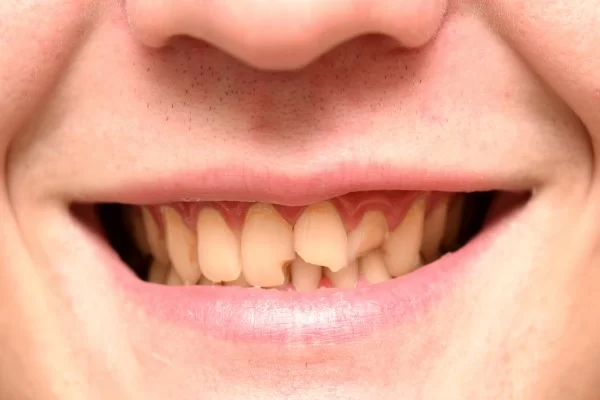
How to Stop a Tooth from Cracking Further: Essential Tips for Dental Care
- 1. Introduction: The Importance of Preventing Further Cracks
- 2. What Causes Teeth to Crack?
- 3. Immediate Actions to Take When You Notice a Cracked Tooth
- 4. How to Prevent a Cracked Tooth from Worsening
- 5. Treatment Options for Cracked Teeth
- 6. Tips for Long-Term Protection of Your Teeth
1. Introduction: The Importance of Preventing Further Cracks
Cracked teeth can be a serious dental concern, not only affecting the appearance of your smile but also potentially leading to more severe issues such as tooth decay or infection. If you have a cracked tooth, it's essential to take immediate steps to prevent the crack from worsening. In this article, we'll explore how to stop a tooth from cracking further, provide tips for preventing additional damage, and discuss treatment options for cracked teeth.
2. What Causes Teeth to Crack?
Teeth can crack for various reasons, including:
- Injury or trauma: A hard blow to the mouth from sports, accidents, or falls can cause a tooth to crack.
- Chewing on hard objects: Biting down on ice, hard candies, or other tough substances can cause a tooth to fracture.
- Teeth grinding (bruxism): Excessive grinding or clenching of teeth, especially during sleep, can lead to cracks.
- Age: As we age, the enamel on our teeth naturally wears down, making teeth more susceptible to cracks.
- Large fillings: A tooth with an extensive filling may become weakened and more prone to cracking.
Understanding the cause of your cracked tooth is crucial for determining the right course of action to stop further damage.
3. Immediate Actions to Take When You Notice a Cracked Tooth
When you first notice a cracked tooth, taking immediate action can help minimize further damage and relieve pain. Here are the steps you should follow:
- Rinse your mouth with warm water: This helps remove any debris from the cracked area and keeps the tooth clean.
- Apply a cold compress: If the crack is causing pain or swelling, applying a cold compress can help reduce discomfort and inflammation.
- Avoid chewing on the cracked tooth: To prevent aggravating the crack, try not to chew on that side of your mouth.
- Visit your dentist immediately: It's essential to get a professional assessment as soon as possible to prevent further damage or infection.
4. How to Prevent a Cracked Tooth from Worsening
Once you've noticed that you have a cracked tooth, it's crucial to take steps to prevent the crack from getting worse. Here are some strategies:
- Avoid hard foods and beverages: Don't bite down on hard foods like nuts, ice, or hard candy, as these can exacerbate the crack.
- Use a night guard: If you grind your teeth at night, wearing a custom-fitted night guard can help protect your teeth from further damage.
- Practice good oral hygiene: Keep your teeth and gums healthy by brushing regularly, flossing, and visiting your dentist for routine checkups. This can help prevent infection from developing in the cracked tooth.
- Avoid sudden temperature changes: Extreme heat or cold can cause the tooth to expand or contract, potentially making the crack worse. Try to avoid very hot or cold drinks if you have a cracked tooth.
5. Treatment Options for Cracked Teeth
If your cracked tooth is not causing any significant pain, your dentist may simply monitor it to ensure the crack doesn't worsen. However, if the crack is more severe, several treatment options can help restore the tooth:
- Dental bonding: For minor cracks, dental bonding can be used to fill in the crack and prevent further damage. This is a quick and cost-effective solution.
- Dental crowns: If the crack is more extensive, a dental crown may be necessary to cover the tooth and restore its strength.
- Root canal therapy: In cases where the crack has reached the pulp of the tooth, a root canal may be required to remove the infected tissue and preserve the tooth.
- Tooth extraction: In extreme cases, if the crack has caused significant damage to the tooth, extraction may be necessary. Your dentist will discuss options for replacing the tooth, such as implants or bridges.
Your dentist will recommend the most suitable treatment based on the severity of the crack and the overall health of your tooth.
6. Tips for Long-Term Protection of Your Teeth
To ensure the long-term health of your teeth and avoid future cracks, follow these essential tips for maintaining a healthy smile:
- Stay on top of dental checkups: Regular visits to your dentist are essential for catching potential issues before they worsen.
- Maintain a healthy diet: A diet rich in calcium, vitamin D, and other nutrients is essential for strong, healthy teeth.
- Be mindful of teeth-stressors: Avoid habits like teeth grinding, nail-biting, or using your teeth to open packages or bottles.
- Use proper protection for sports: Wear a mouthguard if you're playing contact sports or engaging in activities where your mouth may be at risk.
By following these simple steps, you can protect your teeth from further damage and maintain a healthy, beautiful smile.
If you're dealing with a cracked tooth or want more information on how to stop a tooth from cracking further, visit Dentistry Toothtruth for expert advice and treatment options.






 Hollevoet & Welk Orthodontics5.0 (402 review)
 John U Choi DDS, PhD4.0 (6 review)
 Bensalem Dental Specialties Center3.0 (162 review)
 First Choice Dental- Madison Campus4.0 (184 review)
 Aurora Dental Care4.0 (153 review)
 Green Tree Dental4.0 (58 review)
 The Importance of Oral Health Education During Pregnancy for a Healthy Pregnancy
 Best Tips for Brushing Your Teeth Properly for Healthy Gums: Essential Techniques for Oral Health
 Why Skipping Dental Checkups Can Lead to Bigger Oral Health Problems
 Advantages of Porcelain Dental Restorations
 How Can Diabetes Cause Tooth and Gum Problems? Preventing and Managing Oral Health Issues
 Healthy Habits for Promoting Good Oral Health and Hygiene: Tips for a Healthy Smile