
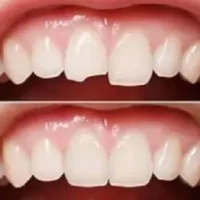
- Understanding Tooth Decay
- Early Signs of Tooth Decay
- Methods to Reverse Tooth Decay
- How to Prevent Future Tooth Decay
- When to See a Dentist for Tooth Decay
Understanding Tooth Decay
Tooth decay is one of the most common dental problems, affecting people of all ages. It occurs when the enamel, the hard outer layer of your teeth, is broken down by acids produced by bacteria in your mouth. If left untreated, tooth decay can lead to cavities, tooth sensitivity, and even tooth loss.
Fortunately, tooth decay can be reversed in its early stages, before it causes significant damage. This process involves remineralizing the enamel and neutralizing the acids in the mouth, which can help restore the health of your teeth. The key to successfully reversing tooth decay is to identify it early and take action quickly.
Early Signs of Tooth Decay
To catch tooth decay early, it's important to recognize its signs and symptoms. Some of the early indicators of tooth decay include:
- White Spots on Teeth – These are often the first sign of tooth decay, indicating areas where the enamel is beginning to demineralize.
- Tooth Sensitivity – Sensitivity to hot, cold, or sweet foods and drinks can be a sign that the enamel is thinning and the underlying tooth structure is exposed.
- Visible Cavities or Holes – As decay progresses, small pits or holes may appear in the affected teeth.
- Discoloration – Dark spots or stains on your teeth can indicate the presence of decay.
If you notice any of these signs, it's important to take action immediately to halt the progression of decay and prevent further damage.
Methods to Reverse Tooth Decay
There are several methods available that can help reverse tooth decay in its early stages. While these methods won't work for advanced cavities, they can help prevent the need for more invasive dental treatments. Some effective ways to reverse tooth decay include:
- Fluoride Treatments – Fluoride helps remineralize enamel and can be applied in various forms, such as toothpaste, mouth rinses, or professional fluoride treatments at the dentist.
- Calcium and Phosphate – Using toothpaste or products that contain calcium and phosphate can help replenish minerals in the enamel and strengthen weakened areas.
- Improved Oral Hygiene – Brushing your teeth at least twice a day with fluoride toothpaste and flossing regularly can help remove plaque and bacteria that contribute to tooth decay.
- Dietary Changes – Reducing your intake of sugary foods and drinks, and eating a diet rich in calcium, vitamin D, and phosphates, can help your teeth remineralize naturally.
By adopting these habits, you can help reverse the damage caused by early tooth decay and protect your teeth from further harm.
How to Prevent Future Tooth Decay
Once you've successfully reversed tooth decay, it's important to maintain good oral hygiene and preventative measures to avoid future problems. Some strategies to help prevent future tooth decay include:
- Brush and Floss Regularly – Brush your teeth twice a day with fluoride toothpaste and floss daily to remove plaque and prevent bacteria buildup.
- Limit Sugary Foods and Drinks – Sugar feeds the bacteria in your mouth that produce harmful acids. Reducing sugary snacks and drinks will help keep your teeth healthier.
- Drink Water – Drinking water throughout the day helps rinse away food particles and bacteria, reducing the risk of decay.
- Regular Dental Checkups – Regular visits to the dentist for cleanings and checkups are essential for preventing tooth decay and addressing issues before they become serious.
By incorporating these habits into your routine, you can maintain healthy teeth and reduce the likelihood of future tooth decay.
When to See a Dentist for Tooth Decay
If you have advanced tooth decay or cavities that don't respond to at-home treatments, it's important to see a dentist for professional care. Your dentist can assess the extent of the decay and recommend the best treatment options, which may include fillings, crowns, or other restorative procedures.
In addition, if you notice any persistent pain, discomfort, or swelling in your gums, it's important to seek dental care promptly to prevent further complications.
To learn more about reversing tooth decay and to schedule a dental appointment, visit Dentistry Toothtruth for more information and expert guidance.






 Gitlin Dental Group4.0 (799 review)
 Jean-Paul Boudreau DMD, LLC4.0 (89 review)
 Apple Grove Dental4.0 (536 review)
 Surya P. Dhakar DDS, PC4.0 (250 review)
 NorthShore Health Centers4.0 (153 review)
 Crown Point Dental Care4.0 (453 review)
 The Importance of Oral Health Education During Pregnancy for a Healthy Pregnancy
 Best Tips for Brushing Your Teeth Properly for Healthy Gums: Essential Techniques for Oral Health
 Why Skipping Dental Checkups Can Lead to Bigger Oral Health Problems
 Advantages of Porcelain Dental Restorations
 How Can Diabetes Cause Tooth and Gum Problems? Preventing and Managing Oral Health Issues
 Healthy Habits for Promoting Good Oral Health and Hygiene: Tips for a Healthy Smile