
Understanding the Impact of Poor Oral Hygiene on Overall Health
Bad oral hygiene doesn’t just affect your smile—it can have far-reaching consequences on your overall health. In the United States, dental issues like gum disease and tooth decay remain common problems due to inconsistent oral care routines and poor lifestyle choices. When plaque and bacteria build up, they cause inflammation and infections that damage the gums, teeth, and supporting structures. Over time, this can lead to painful conditions such as gingivitis, periodontitis, and even tooth loss.
Moreover, studies have linked poor oral health to serious systemic diseases including heart disease, diabetes, and respiratory infections. This connection emphasizes the urgent need for effective strategies to reverse bad oral hygiene before these complications arise. Recognizing the warning signs early—such as bleeding gums, persistent bad breath, or tooth sensitivity—can motivate individuals to take proactive steps toward recovery.
Daily Habits That Help Reverse Bad Oral Hygiene
1. Brushing Techniques That Make a Difference
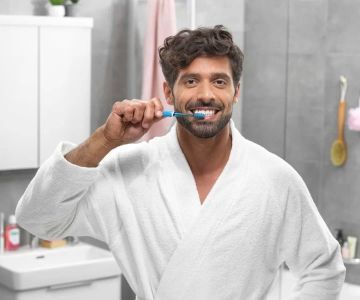
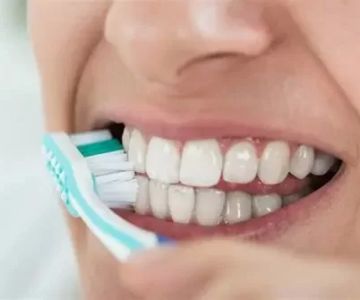
One of the most fundamental ways to reverse poor oral hygiene is by adopting proper brushing habits. Many people brush too quickly or use the wrong technique, which leaves harmful plaque behind. The American Dental Association recommends brushing twice daily for at least two minutes each time, using a soft-bristled toothbrush at a 45-degree angle to the gums.
Electric toothbrushes have also proven more effective than manual brushing for reducing plaque and gingivitis. When used consistently, they can make a noticeable difference in oral health. Stories from patients who switched to electric brushes often report less gum bleeding and fresher breath within weeks.
2. Flossing and Interdental Cleaning
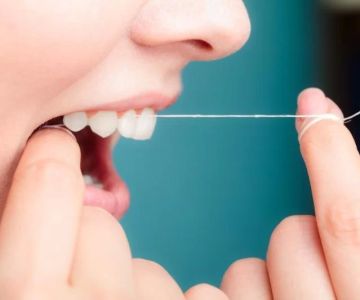
Flossing is essential for removing food particles and bacteria trapped between teeth—areas toothbrushes simply cannot reach. Without regular flossing, plaque accumulates, leading to gum irritation and decay. For many, flossing can be the most challenging habit to maintain, but the benefits are undeniable.
Alternatives like water flossers or interdental brushes provide options for those who struggle with traditional floss. Consistent use of these tools has helped countless patients reverse early-stage gum disease and maintain healthier gums.
3. Mouthwash and Its Role in Oral Hygiene
Using an antiseptic or fluoride mouthwash can be a powerful addition to your oral care routine. Mouthwashes help reduce bacteria that cause bad breath and gum inflammation while strengthening enamel to resist decay. However, it’s important to choose the right product; alcohol-free, therapeutic rinses are preferred for long-term use.
Professional Dental Treatments That Support Reversing Damage
4. The Importance of Regular Dental Checkups and Cleanings
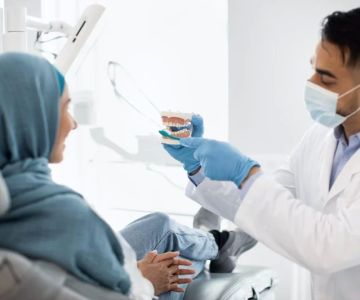
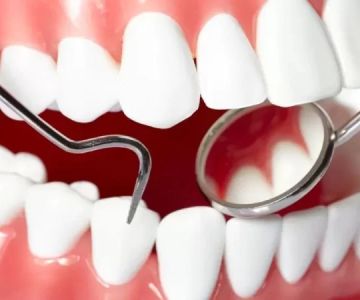
Visiting the dentist at least twice a year is critical in reversing bad oral hygiene. Professional cleanings remove hardened plaque (tartar) that cannot be eliminated by brushing alone. Dentists also screen for early signs of gum disease, cavities, and other oral health problems.
Many patients share how a single dental cleaning dramatically improved their gum health, reduced bleeding, and motivated them to maintain better home care. Early intervention by professionals can halt progression and even reverse mild to moderate gum disease before it causes irreversible damage.
5. Advanced Treatments for Severe Cases
In more advanced stages of gum disease, dentists may recommend procedures such as scaling and root planing (deep cleaning) to clean below the gumline. These treatments help eliminate bacterial buildup and promote healing of infected tissues. In some cases, laser therapy or antibiotic treatments may be used to enhance results.
Patients often report significant relief from pain and swelling after these treatments, highlighting the potential to reverse damage when professional care is sought promptly.
Lifestyle Changes That Boost Oral Health Recovery
6. Nutrition’s Role in Oral Hygiene
Diet directly impacts oral health. Consuming excessive sugar and acidic foods feeds harmful bacteria, accelerating tooth decay and gum problems. Incorporating nutrient-rich foods like leafy greens, dairy products, and crunchy vegetables supports strong teeth and healthy gums.
Hydration is also key—drinking plenty of water helps wash away food particles and maintains saliva flow, which naturally protects teeth. Some patients share how improving their diet transformed their oral health, reducing sensitivity and improving gum color.
7. Quitting Tobacco and Limiting Alcohol
Tobacco use severely damages gums, impairs healing, and increases the risk of oral cancer. Quitting smoking or chewing tobacco is one of the fastest ways to improve oral health outcomes. Similarly, excessive alcohol consumption dries the mouth and disrupts the oral microbiome, making tissues more vulnerable.
Many former tobacco users notice dramatic improvements in their gum condition and breath shortly after quitting, which encourages sustained lifestyle changes.
Real Stories That Inspire Change
Take the story of Michael, a 42-year-old from Texas, who struggled with chronic gum bleeding and bad breath for years. After a routine dental visit revealed early gum disease, he committed to daily brushing with an electric toothbrush, flossing, and quitting smoking. Within six months, his gum health improved significantly, and his dentist praised his progress. Michael’s journey illustrates that reversing bad oral hygiene is possible with dedication and the right approach.
Another inspiring example is Sarah, a mother of two from California, who noticed her children developing cavities due to poor brushing habits. She educated herself on dental care and turned daily oral hygiene into a fun family activity, using timers and rewards. Her children’s dental health improved, and she now advocates for better oral education in her community.
Preventing Relapse: Maintaining Healthy Oral Hygiene for Life
Reversing bad oral hygiene is just the beginning. To keep your smile healthy, build a sustainable oral care routine and maintain regular dental visits. Use technology like smartphone reminders to keep habits consistent, and stay informed on the latest dental care advancements.
Visit our website, Dentistry Toothtruth, for personalized recommendations, expert tips, and access to dental professionals ready to support your journey toward lasting oral health.

 JW Dentistry (formerly Dr. Wayne Wong, DDS)5.0 (62 review)
 Charm Dental Group3.0 (14 review)
 OC Centers for Oral Surgery & Dental Implants - San Clemente5.0 (199 review)
 Bergen-Rockland Dental Associates, LLC4.0 (59 review)
 Dr. David Miller DDS5.0 (1 review)
 Chestnut Hill Smiles4.0 (330 review)
 The Importance of Oral Health Education During Pregnancy for a Healthy Pregnancy
 Best Tips for Brushing Your Teeth Properly for Healthy Gums: Essential Techniques for Oral Health
 Why Skipping Dental Checkups Can Lead to Bigger Oral Health Problems
 Advantages of Porcelain Dental Restorations
 How Can Diabetes Cause Tooth and Gum Problems? Preventing and Managing Oral Health Issues
 Healthy Habits for Promoting Good Oral Health and Hygiene: Tips for a Healthy Smile