
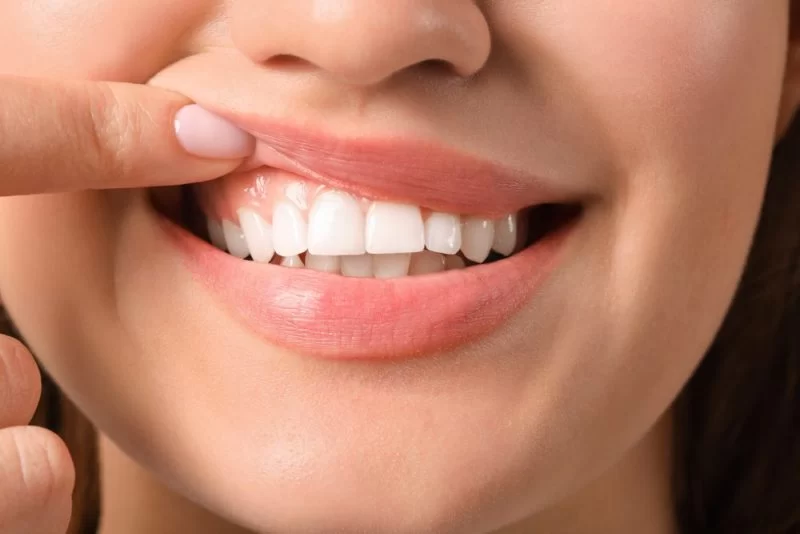
How to Reduce Plaque Buildup on Teeth: Effective Strategies for a Healthier Smile
- Understanding Plaque Buildup
- Causes of Plaque Formation
- Best Strategies to Reduce Plaque
- Real-Life Stories
- Choosing the Right Dental Products
- Maintenance and Care Tips
- Upgrade Your Oral Hygiene
Understanding Plaque Buildup
Plaque buildup on teeth is a common oral health issue that can lead to serious dental problems if not addressed properly. Plaque is a sticky film of bacteria that forms on the teeth and gums, and understanding its nature is the first step in effectively reducing its accumulation.
What is Dental Plaque?
Dental plaque is composed of bacteria, food particles, and saliva that adhere to the surfaces of teeth. When not removed through regular brushing and flossing, plaque hardens into tartar, which can only be removed by a dental professional. This buildup can lead to cavities, gum disease, and other oral health issues.
Impact on Oral Health
Unchecked plaque buildup can result in enamel erosion, tooth decay, and inflammation of the gums, known as gingivitis. In severe cases, it can progress to periodontitis, a more advanced form of gum disease that can cause tooth loss and impact overall health.
Causes of Plaque Formation
Poor Oral Hygiene
Inadequate brushing and flossing allow plaque to accumulate on the teeth and gums. Failing to remove plaque regularly creates an ideal environment for bacteria to thrive and produce acids that damage tooth enamel.
Dietary Habits
Consuming sugary and starchy foods increases the risk of plaque buildup. Bacteria in plaque feed on sugars, producing acids that erode enamel and lead to cavities. Frequent snacking without proper oral care exacerbates this problem.
Smoking and Tobacco Use
Tobacco products contribute to plaque formation by reducing saliva flow, which helps neutralize acids and wash away food particles. Smoking also weakens the immune system, making it harder for the body to fight off plaque-related infections.
Medical Conditions and Medications
Certain medical conditions, such as diabetes, and medications that cause dry mouth, can increase the likelihood of plaque buildup. Saliva plays a crucial role in maintaining oral hygiene by washing away food particles and neutralizing acids.
Best Strategies to Reduce Plaque
Maintain a Consistent Oral Hygiene Routine
Brushing your teeth at least twice a day with a fluoride toothpaste and flossing daily are essential practices in reducing plaque buildup. Consistent oral hygiene removes plaque and prevents it from hardening into tartar.
Use Antibacterial Mouthwash
Incorporating an antibacterial mouthwash into your daily routine can help kill bacteria that cause plaque formation. Rinsing with mouthwash after brushing and flossing provides an extra layer of protection against plaque buildup.
Adopt a Balanced Diet
A diet rich in fruits, vegetables, and whole grains supports overall oral health. Limiting sugary and acidic foods reduces the fuel available for plaque-causing bacteria, helping to maintain a cleaner mouth.
Regular Dental Check-Ups
Visiting your dentist regularly for professional cleanings and check-ups is crucial for maintaining oral health. Dentists can remove tartar that cannot be eliminated by brushing and flossing, ensuring that plaque buildup is kept in check.
Real-Life Stories
Many individuals have successfully reduced plaque buildup by implementing effective oral hygiene practices. For example, Jane from Florida shares how she transformed her dental health by adopting a rigorous brushing and flossing routine. She noticed a significant decrease in plaque and improved gum health within just a few months.
Mike from New York recounts his experience with dietary changes and the use of antibacterial mouthwash. By reducing his sugar intake and incorporating mouthwash into his daily routine, he managed to control plaque buildup and prevent the formation of tartar, leading to a healthier smile.
Choosing the Right Dental Products
Toothbrush Selection
Selecting the right toothbrush is fundamental in plaque reduction. A soft-bristled toothbrush is gentle on the gums while effectively removing plaque from tooth surfaces. Electric toothbrushes can offer superior plaque removal compared to manual brushes, especially for those with limited dexterity.
Fluoride Toothpaste
Using fluoride toothpaste helps strengthen tooth enamel and prevent cavities. Fluoride not only aids in remineralizing enamel but also makes it more resistant to acid attacks from plaque bacteria.
Dental Floss and Interdental Brushes
Dental floss and interdental brushes are essential for cleaning between teeth where plaque tends to accumulate. Regular use of these tools ensures that plaque is removed from hard-to-reach areas, preventing it from hardening into tartar.
Maintenance and Care Tips
Brush Properly
Adopt a proper brushing technique by holding your toothbrush at a 45-degree angle to your gums and using gentle, circular motions. Avoid aggressive brushing, which can damage enamel and irritate gums.
Floss Daily
Flossing removes plaque and food particles from between the teeth and under the gum line, areas that toothbrushes cannot reach. Make flossing a daily habit to maintain comprehensive oral hygiene.
Limit Sugary Snacks and Drinks
Reducing the intake of sugary snacks and beverages minimizes the risk of plaque buildup. Opt for healthier alternatives like fruits, vegetables, and water to maintain a cleaner mouth.
Upgrade Your Oral Hygiene
Enhancing your oral hygiene routine with the best ways to reduce plaque buildup on teeth can lead to a healthier and more radiant smile. Incorporate effective strategies such as proper brushing, flossing, using antibacterial mouthwash, and maintaining a balanced diet to prevent plaque accumulation and ensure strong, healthy teeth. Visit Dentistry Toothtruth to explore a wide range of dental care products and professional services designed to support your oral health. Click here to learn more and take the first step towards a cleaner, healthier smile today!

 Egypt Road Dental Associates4.0 (5 review)
 Wandro Dental of Norman4.0 (26 review)
 Ashford Dental of Dobbs Ferry4.0 (262 review)
 Meyer & Dana Orthodontics4.0 (315 review)
 Pannu Dental Group4.0 (212 review)
 Hillcrest Dental Group, P.A.4.0 (826 review)
 The Importance of Oral Health Education During Pregnancy for a Healthy Pregnancy
 Best Tips for Brushing Your Teeth Properly for Healthy Gums: Essential Techniques for Oral Health
 Why Skipping Dental Checkups Can Lead to Bigger Oral Health Problems
 Advantages of Porcelain Dental Restorations
 How Can Diabetes Cause Tooth and Gum Problems? Preventing and Managing Oral Health Issues
 Healthy Habits for Promoting Good Oral Health and Hygiene: Tips for a Healthy Smile