
- 1-how-to-recognize-jaw-or-bite-alignment-issues-in-children-early
- 2-why-early-bite-alignment-awareness-matters
- 3-visible-signs-parents-can-notice-at-home
- 4-behavioral-clues-linked-to-jaw-misalignment
- 5-real-family-stories-and-early-treatment-results
- 6-how-dentists-evaluate-jaw-and-bite-development
- 7-supporting-your-child-with-family-dentistry-online
1. How to Recognize Jaw or Bite Alignment Issues in Children Early
Learning how to recognize jaw or bite alignment issues in children early can make a lifelong difference in comfort, confidence, and oral health. Many parents assume orthodontic concerns only start in the teen years, but the truth is that early childhood is often when the first warning signs appear. The earlier these issues are identified, the simpler and more effective the treatment options tend to be.
Jaw and bite alignment problems can affect how a child eats, speaks, breathes, and even sleeps. Because these changes develop gradually, they are easy to miss unless you know what to look for.
2. Why Early Bite Alignment Awareness Matters
The jaw grows rapidly during childhood. If the upper and lower jaws are not developing in balance, the bite can become misaligned. This misalignment, called malocclusion, can worsen as permanent teeth erupt.
2.1 Long-Term Effects of Ignoring Early Bite Problems
Untreated bite issues can lead to jaw pain, uneven tooth wear, headaches, speech difficulties, and difficulty chewing. In some cases, poor alignment even affects facial symmetry as the bones continue to grow.
2.2 Why Early Intervention Is Often Simpler
When alignment problems are caught early, guidance appliances or habit correction may reduce the need for extensive orthodontic treatment later. Early recognition often means shorter treatment times and gentler correction methods.
3. Visible Signs Parents Can Notice at Home
Parents are usually the first to notice subtle physical clues that something may be off with their child’s bite or jaw alignment.
3.1 Teeth That Don’t Line Up Properly
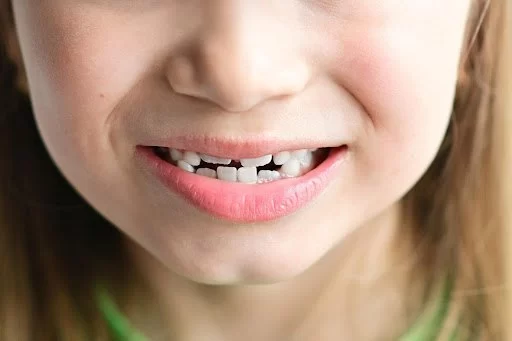
If your child’s top teeth sit too far forward or behind the bottom teeth, this may point to an overbite or underbite. Crossbites, where the upper teeth fall inside the lower teeth, are also a common early sign.
3.2 Crowding, Gaps, and Early Tooth Shifting
Crowded baby teeth can indicate that there may not be enough space for incoming permanent teeth. On the other hand, unusually wide gaps may suggest jaw growth imbalance.
3.3 Asymmetry in the Face or Jaw Movement
If one side of your child’s jaw appears to move differently when talking or chewing, this may signal uneven jaw growth.
4. Behavioral Clues Linked to Jaw Misalignment
Not all alignment issues show up visually. Some signs appear through habits and daily discomfort.
4.1 Chronic Mouth Breathing and Snoring
Children with narrow jaws or crowded airways often breathe through their mouths instead of their nose. This can affect sleep quality and facial development over time.
4.2 Speech Difficulties and Lisping
Improper alignment can alter tongue placement, leading to unclear speech or persistent lisps.
4.3 Difficulty Chewing or Food Avoidance
Some children instinctively avoid harder foods because chewing feels awkward or uncomfortable due to bite imbalance.
5. Real Family Stories and Early Treatment Results
One parent shared that her six-year-old constantly chewed on one side of his mouth and complained of jaw tiredness. A dental evaluation revealed a developing crossbite. After a brief early intervention, his bite corrected naturally as adult teeth arrived.
5.1 Another Family’s Experience
A young girl struggled with sleep and persistent snoring. What appeared to be a breathing issue turned out to be related to narrow jaw development. Early guidance treatment improved both her sleep quality and facial balance within a year.
6. How Dentists Evaluate Jaw and Bite Development
Dentists assess bite alignment through visual exams, growth pattern analysis, and dental imaging. They observe how teeth come together, how the jaw opens and closes, and whether growth appears balanced.
6.1 The Role of Growth Monitoring
Rather than rushing into braces immediately, dentists often monitor jaw growth carefully over time to determine the most appropriate moment for intervention.
6.2 When an Orthodontic Referral Is Recommended
If early alignment issues show signs of worsening, a referral allows for specialized evaluation and potential early corrective guidance.
7. Supporting Your Child With Family Dentistry Online
If you're concerned about how to recognize jaw or bite alignment issues in children early, Family Dentistry Online is a helpful resource for parents seeking reliable guidance, early screening information, and family-centered dental care support.
Children rarely complain directly about bite discomfort because they assume it’s normal. As a parent, noticing small changes early can prevent long-term challenges and help your child grow into a confident, pain-free smile.


 Martineau Dentistry4.0 (800 review)
 Open Door Family Medical Center- Mamaroneck4.0 (135 review)
 Steven L Kim DDS5.0 (59 review)
 Eagan Dental Care4.0 (197 review)
 Westford Smiles Dental Center5.0 (172 review)
 Holistic Dental Wellness Center - Iman Abdeshahian, DMD4.0 (166 review)
 The Importance of Oral Health Education During Pregnancy for a Healthy Pregnancy
 Best Tips for Brushing Your Teeth Properly for Healthy Gums: Essential Techniques for Oral Health
 Why Skipping Dental Checkups Can Lead to Bigger Oral Health Problems
 Advantages of Porcelain Dental Restorations
 How Can Diabetes Cause Tooth and Gum Problems? Preventing and Managing Oral Health Issues
 Healthy Habits for Promoting Good Oral Health and Hygiene: Tips for a Healthy Smile