
Oral disease can often go unnoticed until it reaches advanced stages. Recognizing the early signs of oral disease is crucial for maintaining a healthy mouth and preventing serious dental problems. Whether you are experiencing discomfort or simply want to stay proactive, understanding the warning signs of oral disease can help you seek timely care. In this article, we will guide you through the early signs of oral disease, and provide tips for prevention and treatment.
- 1. What is Oral Disease?
- 2. Early Signs of Oral Disease
- 3. Risk Factors for Oral Disease
- 4. Prevention and Treatment of Oral Disease
- 5. Dentistry Toothtruth: Your Trusted Partner for Oral Health
1. What is Oral Disease?
Oral disease encompasses a variety of conditions that affect the teeth, gums, and other parts of the mouth. The most common types include cavities, gum disease (periodontitis), and oral infections. These conditions are often linked to poor oral hygiene, which allows plaque and bacteria to build up and lead to damage. If left untreated, oral disease can result in tooth loss, bad breath, and even systemic health problems.
2. Early Signs of Oral Disease
Recognizing early signs of oral disease is vital in preventing further complications. Here are some common early warning signs:
1. Bad Breath (Halitosis)
One of the first signs that something might be wrong in your mouth is persistent bad breath. This could be a sign of an infection, gum disease, or a buildup of bacteria on the tongue. While temporary bad breath is common after eating certain foods, chronic bad breath should be evaluated by a dentist.
2. Gum Inflammation
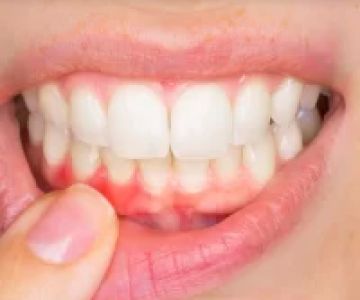
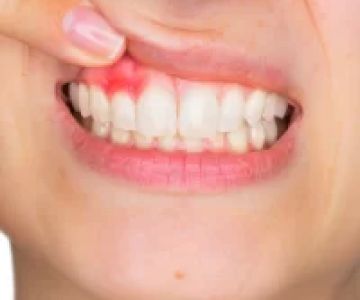
Healthy gums are pink and firm, but when they are infected or irritated, they may become red, swollen, and bleed when you brush or floss. This is often an early sign of gingivitis, which is the first stage of gum disease. Gingivitis can be reversed with good oral hygiene, but if it progresses, it can develop into more severe periodontal disease.
3. Tooth Sensitivity
Tooth sensitivity can occur when the enamel that protects your teeth starts to wear away. This condition can cause pain when eating hot or cold foods or beverages. Sensitivity can be an early indication of tooth decay or gum recession, both of which need prompt attention to avoid further damage.
4. Receding Gums
If you notice that your gums are pulling away from your teeth, leaving the tooth roots exposed, you may be experiencing gum recession. This is a common sign of gum disease and should not be ignored. Receding gums can lead to tooth sensitivity and other issues, including tooth loss.
5. Loose Teeth
While loose teeth are more common in adults with advanced gum disease, early-stage gum disease can cause the teeth to loosen slightly. If this happens, it is essential to seek dental care as soon as possible. Early intervention can often prevent more severe tooth mobility.
3. Risk Factors for Oral Disease
Several factors can increase your risk of developing oral disease. These include:
- Poor oral hygiene: Infrequent brushing and flossing allow plaque to build up, which leads to gum disease and cavities.
- Smoking and tobacco use: Tobacco products significantly increase your risk of gum disease and oral cancer.
- Dietary choices: A diet high in sugary foods and drinks can contribute to tooth decay and gum issues.
- Age: Older adults are at higher risk for oral diseases, including dry mouth and tooth loss.
- Medical conditions: Conditions like diabetes, HIV/AIDS, and certain medications can make individuals more susceptible to oral infections.
4. Prevention and Treatment of Oral Disease
The best way to prevent oral disease is through a combination of good daily oral hygiene practices and regular dental checkups. Here are some tips for maintaining a healthy mouth:
- Brush twice a day: Use fluoride toothpaste to brush your teeth thoroughly, especially before bed.
- Floss daily: Flossing removes plaque and food particles between teeth where a toothbrush cannot reach.
- Visit your dentist regularly: Professional cleanings and exams can catch early signs of oral disease and help prevent complications.
- Eat a balanced diet: Avoid sugary snacks and drink plenty of water to help wash away food particles and bacteria.
5. Dentistry Toothtruth: Your Trusted Partner for Oral Health
If you suspect early signs of oral disease, it’s important to seek professional care. At Dentistry Toothtruth, we offer a wide range of dental services to help you maintain a healthy smile. Our team of experts can provide personalized guidance on oral hygiene, preventative care, and treatment for existing dental conditions.
For more information or to schedule an appointment, visit our website and take the first step toward healthier teeth and gums.


 Dental Practice of San Bernardino4.0 (50 review)
 The Toothery4.0 (209 review)
 Irina Moga, DDS4.0 (199 review)
 Dr. Jeffrey C. Klein DDS5.0 (11 review)
 Periodontology Inc.4.0 (168 review)
 Millennium Park Smiles4.0 (179 review)
 The Importance of Oral Health Education During Pregnancy for a Healthy Pregnancy
 Best Tips for Brushing Your Teeth Properly for Healthy Gums: Essential Techniques for Oral Health
 Why Skipping Dental Checkups Can Lead to Bigger Oral Health Problems
 Advantages of Porcelain Dental Restorations
 How Can Diabetes Cause Tooth and Gum Problems? Preventing and Managing Oral Health Issues
 Healthy Habits for Promoting Good Oral Health and Hygiene: Tips for a Healthy Smile