
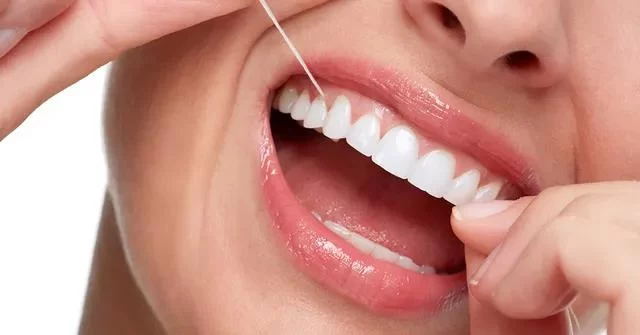
How to Properly Floss Your Teeth: A Step-by-Step Guide for Optimal Oral Health
- 1. Why Flossing Matters
- 2. How to Properly Floss Your Teeth: A Step-by-Step Guide
- 3. Common Mistakes to Avoid When Flossing
- 4. The Benefits of Regular Flossing
- 5. Recommended Flossing Products for a Better Experience
1. Why Flossing Matters
Flossing is an essential part of any oral hygiene routine. While brushing your teeth removes plaque and food particles from the surface of your teeth, flossing gets to the hard-to-reach spaces between them. These areas are often missed by a toothbrush, making flossing a critical step in preventing cavities, gum disease, and bad breath.
Many people underestimate the importance of flossing, but studies show that daily flossing significantly reduces the buildup of plaque and bacteria, which can lead to gingivitis and even tooth loss. Neglecting to floss is a major risk factor for oral health problems, and it’s never too late to start incorporating it into your routine.
2. How to Properly Floss Your Teeth: A Step-by-Step Guide
Flossing the right way ensures maximum benefits for your teeth and gums. Here’s a simple, effective method to help you floss correctly:
- Choose the Right Floss: Select a dental floss that suits your needs. Waxed floss slides more easily between tight teeth, while unwaxed floss is thinner and may be a better choice for larger gaps.
- Cut Enough Floss: Cut about 18 inches of floss so you can use a fresh section for each tooth.
- Gently Insert the Floss: Guide the floss gently between your teeth using a sawing motion. Be careful not to snap it, as this can harm your gums.
- Form a C-Shape Around Each Tooth: Once the floss is between your teeth, curve it into a “C” shape around the tooth and gently slide it up and down along the side of the tooth and just under the gumline. This helps remove plaque and food particles from the surface and beneath the gums.
- Repeat for Each Tooth: Use a fresh section of floss for each tooth to avoid spreading bacteria.
- Rinse and Brush: After flossing, rinse your mouth with water or mouthwash to remove any remaining debris, and finish by brushing your teeth thoroughly.
Flossing may seem like an extra step, but once it becomes part of your routine, it will feel just as natural as brushing your teeth.
3. Common Mistakes to Avoid When Flossing
While flossing seems straightforward, many people make mistakes that reduce its effectiveness. Here are some common errors to avoid:
- Using Too Much Force: Flossing aggressively can damage your gums. Always be gentle when inserting the floss to avoid hurting yourself.
- Flossing Too Quickly: Rushing through the flossing process can mean you’re not cleaning between every tooth properly. Take your time and focus on cleaning each space carefully.
- Flossing Infrequently: Flossing just once a week isn’t enough to maintain oral health. Aim to floss at least once a day for the best results.
- Using the Same Section of Floss: Reusing the same piece of floss between multiple teeth can spread bacteria. Always use a fresh section for each tooth to ensure optimal cleaning.
By avoiding these mistakes, you can ensure that your flossing routine is as effective as possible in maintaining your oral health.
4. The Benefits of Regular Flossing
Regular flossing provides numerous benefits for your teeth and gums. Here are some of the key advantages:
- Prevents Cavities: Flossing helps prevent tooth decay by removing food particles and plaque from between your teeth, areas that your toothbrush may miss.
- Prevents Gum Disease: Gum disease is often caused by the accumulation of plaque along the gumline. Flossing reduces plaque buildup, keeping your gums healthy.
- Fights Bad Breath: Flossing eliminates food particles and bacteria trapped between your teeth, helping to keep your breath fresh.
- Promotes Overall Health: Research has shown that good oral hygiene, including regular flossing, may help prevent more serious health issues like heart disease and diabetes.
Incorporating flossing into your daily routine can significantly improve your oral hygiene and contribute to your overall health.
5. Recommended Flossing Products for a Better Experience
Choosing the right flossing products can make your daily routine easier and more effective. Here are some top recommendations for flossing:
- Waxed Dental Floss: Ideal for people with tight teeth, waxed floss slides easily and is less likely to fray.
- Unwaxed Dental Floss: This thinner floss is perfect for people with larger gaps between their teeth.
- Floss Picks: For those who struggle with traditional floss, floss picks are a convenient alternative. They are easy to use and travel-friendly.
- Electric Flossers: If you find traditional flossing difficult, an electric flosser or water flosser may be a helpful option, offering an easier way to clean between your teeth.
To enhance your flossing experience, consider using these tools, and always choose products that are comfortable and effective for your needs.
Ready to start flossing like a pro? For more information on maintaining a healthy smile and exploring dental care products, visit Dentistry Toothtruth. Let us help you achieve optimal oral hygiene and keep your teeth healthy for a lifetime.




 Dr. Peter Murchie5.0 (1 review)
 Community Medical & Dental Center3.0 (37 review)
 Dentist of Paoli5.0 (21 review)
 Graylyn Dental4.0 (681 review)
 South Shore Dental Care: Dory Stutman, DDS5.0 (7 review)
 Smile L.A. Downtown Modern Dentistry4.0 (484 review)
 The Importance of Oral Health Education During Pregnancy for a Healthy Pregnancy
 Best Tips for Brushing Your Teeth Properly for Healthy Gums: Essential Techniques for Oral Health
 Why Skipping Dental Checkups Can Lead to Bigger Oral Health Problems
 Advantages of Porcelain Dental Restorations
 How Can Diabetes Cause Tooth and Gum Problems? Preventing and Managing Oral Health Issues
 Healthy Habits for Promoting Good Oral Health and Hygiene: Tips for a Healthy Smile