

- 1-Understanding Tooth Staining
- 2-Why Medications Cause Tooth Staining
- 3-Effective Ways to Prevent Tooth Staining
- 4-Oral Care Tips for Preventing Tooth Staining
- 5-When to Seek Professional Dental Help
1. Understanding Tooth Staining
Tooth staining is a common dental issue that affects many people, often leading to a less-than-perfect smile. Staining can occur due to a variety of reasons, including the consumption of certain foods and drinks, poor oral hygiene, and even the use of certain medications. While there are numerous factors that contribute to staining, it's important to understand how medications, especially antibiotics, can cause discoloration of your teeth.
2. Why Medications Cause Tooth Staining
Medications can cause tooth staining due to their chemical composition. Antibiotics, such as tetracycline and doxycycline, are well-known culprits when it comes to staining. These drugs can bind to calcium in the developing teeth and cause discoloration. The severity of the staining depends on the type of medication, dosage, and duration of use.
For example, tetracycline, when taken during childhood while the teeth are still developing, can cause a permanent grayish-brown stain. This type of staining can be difficult to remove with regular brushing. Even some over-the-counter medications like antihistamines or blood pressure drugs can lead to stains, although the effects may be less noticeable.
3. Effective Ways to Prevent Tooth Staining
While it may not always be possible to prevent staining entirely, there are several ways to minimize its effects:
- Proper Timing of Medication: Taking medications like antibiotics with meals or immediately before brushing your teeth can help reduce the chances of staining. Consult your dentist or doctor for advice on the best times to take your medications.
- Rinse Immediately: After taking medications, rinse your mouth with water or use a mouthwash to minimize the impact of medication on your teeth.
- Whitening Toothpastes: Using a toothpaste specifically designed for whitening can help remove surface stains. However, be cautious, as overuse may lead to enamel erosion.
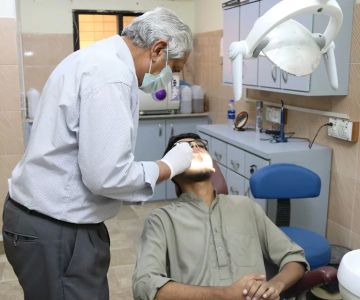
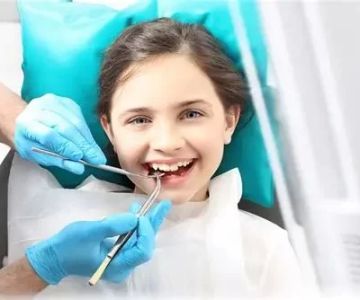
- Regular Dental Checkups: Regular visits to the dentist for cleanings can help keep your teeth in top condition and remove any plaque buildup that may contribute to staining.
4. Oral Care Tips for Preventing Tooth Staining
Aside from using specific whitening products, maintaining a good oral hygiene routine is essential for preventing staining:
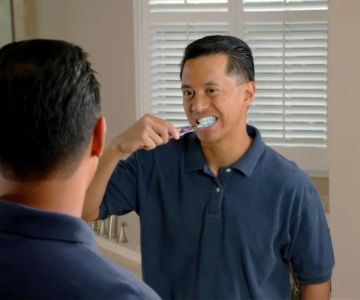
- Brushing and Flossing: Brush your teeth at least twice a day and floss once daily to remove food particles and plaque that can contribute to staining.
- Use a Soft-Bristled Toothbrush: A soft-bristled toothbrush is gentler on your enamel and gums, reducing the risk of damage and staining.
- Consider Professional Whitening: If staining has already occurred, professional whitening treatments may be an option. These treatments are safe and effective, providing better results than over-the-counter products.
5. When to Seek Professional Dental Help
If you notice significant tooth staining or if over-the-counter products are not working, it’s important to consult with a dentist. Professional dental advice and treatment options, such as bleaching, may be necessary for more severe staining caused by medications.
In some cases, your dentist might also recommend alternative medications or solutions to avoid further staining. Don’t hesitate to reach out to a professional to discuss your options and ensure the best possible outcome for your dental health.
If you’re looking for the most suitable dental products or services to care for your teeth, be sure to check out Family Dentistry Online for great recommendations tailored to your needs.



 Southill Dental Group5.0 (364 review)
 The Smile Loft: Heather Hruskocy, DMD5.0 (90 review)
 Family Dental Care4.0 (212 review)
 Frankfort Avenue Family Dental4.0 (405 review)
 Ideal Dental Gallatin4.0 (362 review)
 Julio C. Novello DDS5.0 (348 review)
 The Importance of Oral Health Education During Pregnancy for a Healthy Pregnancy
 Best Tips for Brushing Your Teeth Properly for Healthy Gums: Essential Techniques for Oral Health
 Why Skipping Dental Checkups Can Lead to Bigger Oral Health Problems
 Advantages of Porcelain Dental Restorations
 How Can Diabetes Cause Tooth and Gum Problems? Preventing and Managing Oral Health Issues
 Healthy Habits for Promoting Good Oral Health and Hygiene: Tips for a Healthy Smile