
How to Prevent Plaque Buildup – Essential Tips for Better Oral Health
- Understanding Plaque and Its Dangers
- Effective Dental Hygiene Routines for Plaque Prevention
- Top Tips to Prevent Plaque Buildup
- Diet and Its Role in Plaque Prevention
- When to Visit the Dentist for Plaque Removal
Understanding Plaque and Its Dangers
Plaque is a sticky, colorless film of bacteria that forms on your teeth throughout the day. If not removed regularly, plaque can harden into tartar, leading to tooth decay, gum disease, and other oral health issues. Plaque buildup is one of the most common causes of cavities and bad breath, making it essential to learn how to prevent plaque buildup before it leads to more severe dental problems.
While plaque is a normal part of the body’s natural process, if left unchecked, it can become problematic. Understanding the risks associated with plaque buildup is the first step toward maintaining better oral health.
Effective Dental Hygiene Routines for Plaque Prevention
The foundation of plaque prevention is maintaining an effective dental hygiene routine. Brushing your teeth twice a day with fluoride toothpaste is crucial for removing plaque before it hardens. It’s also essential to brush for at least two minutes, paying attention to the back of your teeth and along the gumline where plaque tends to build up the most.
In addition to brushing, using dental floss is key to removing plaque between your teeth where a toothbrush can’t reach. Don’t forget to use mouthwash to rinse away bacteria and leave your mouth feeling fresh and clean. Together, these habits form the core of a solid dental hygiene routine that helps prevent plaque buildup.
Top Tips to Prevent Plaque Buildup
Beyond regular brushing and flossing, there are several other habits that can help keep plaque at bay:
- Use a Soft-Bristled Toothbrush: A soft-bristled toothbrush helps gently remove plaque without damaging your gums.
- Replace Your Toothbrush Regularly: Change your toothbrush every 3 to 4 months or sooner if the bristles are frayed.
- Consider Using an Electric Toothbrush: Electric toothbrushes are more effective at removing plaque and reducing gum disease risk.
- Use Antibacterial Mouthwash: Rinse with mouthwash to help reduce the bacteria in your mouth that contributes to plaque buildup.
These simple tips can significantly improve your ability to prevent plaque buildup and maintain good oral hygiene. Consistency is key—make these habits a part of your daily routine.
Diet and Its Role in Plaque Prevention
Your diet plays an important role in preventing plaque buildup. Foods high in sugars and starches can fuel the bacteria that cause plaque. Reducing sugary snacks and drinks can help limit the production of plaque-forming acids.
In contrast, a diet rich in vegetables, fruits, and whole grains can help maintain good oral health. Drinking plenty of water throughout the day helps rinse away food particles and bacteria that contribute to plaque buildup.
Incorporating foods like apples, carrots, and celery into your diet can promote a healthier mouth by naturally cleaning your teeth as you chew.
When to Visit the Dentist for Plaque Removal
While daily dental care is essential for preventing plaque buildup, professional cleanings are also necessary to remove tartar that cannot be eliminated with brushing and flossing alone. A dentist or hygienist uses specialized tools to remove plaque and tartar from areas you can’t reach with a toothbrush.
It’s recommended to visit your dentist every six months for routine checkups and cleanings. During these visits, your dentist will also monitor your oral health and provide personalized advice on how to better prevent plaque buildup in the future.
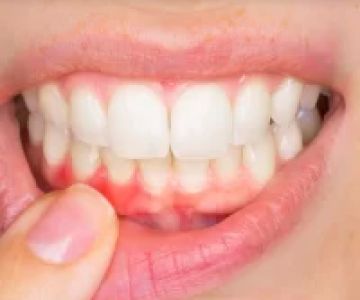
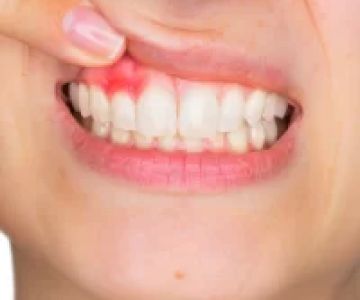
If you notice signs of gum irritation or bleeding, it’s important to schedule a dental appointment sooner, as these can be early signs of plaque-related gum disease.

 Engle Dentistry4.0 (369 review)
 Corona Hills Modern Dentistry and Orthodontics4.0 (137 review)
 St. Paul Oral Surgery - Mendota Heights4.0 (214 review)
 Assembly Square Family Dental4.0 (4 review)
 Orthodontic Care of Washington - Tacoma4.0 (327 review)
 Carolina Dental Arts - New Bern Ave4.0 (152 review)
 The Importance of Oral Health Education During Pregnancy for a Healthy Pregnancy
 Best Tips for Brushing Your Teeth Properly for Healthy Gums: Essential Techniques for Oral Health
 Why Skipping Dental Checkups Can Lead to Bigger Oral Health Problems
 Advantages of Porcelain Dental Restorations
 How Can Diabetes Cause Tooth and Gum Problems? Preventing and Managing Oral Health Issues
 Healthy Habits for Promoting Good Oral Health and Hygiene: Tips for a Healthy Smile