
How to Prevent Enamel Erosion
- 1. Understanding Enamel Erosion and Its Causes
- 2. Why Preventing Enamel Erosion is Crucial for Your Oral Health
- 3. Effective Steps to Prevent Enamel Erosion
- 4. Real-Life Case: A Personal Story of Preventing Enamel Erosion
- 5. Expert Advice for Enamel Care and Protection
- 6. Recommended Products for Enamel Protection
1. Understanding Enamel Erosion and Its Causes
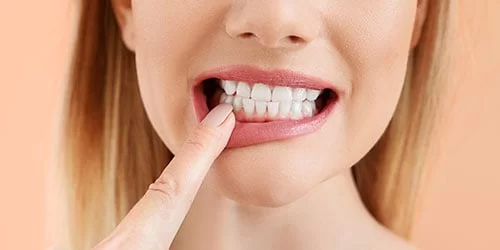
Enamel erosion occurs when the protective outer layer of your teeth begins to wear away. This can be caused by a variety of factors, including acidic foods and drinks, poor oral hygiene, and certain medical conditions. As the enamel erodes, it exposes the underlying dentin, leading to increased sensitivity and a higher risk of cavities. It's essential to understand the causes of enamel erosion in order to take preventative measures.
2. Why Preventing Enamel Erosion is Crucial for Your Oral Health
Enamel erosion is a silent threat to your oral health because it can progress without obvious symptoms at first. Once enamel is lost, it cannot be regenerated, making prevention the only viable solution. If left unchecked, enamel erosion can lead to increased tooth decay, sensitivity, and even tooth loss in extreme cases. Therefore, understanding how to protect enamel is key to maintaining a healthy smile.
3. Effective Steps to Prevent Enamel Erosion
There are several simple yet effective steps you can take to protect your enamel from erosion:
- Limit acidic food and drink: Citrus fruits, soda, and vinegar-based foods can erode enamel over time. Try to reduce consumption of these items or drink them through a straw to minimize contact with your teeth.
- Practice good oral hygiene: Brush your teeth twice daily with a fluoride toothpaste and use a soft-bristled toothbrush to prevent unnecessary abrasion.
- Rinse with water after eating acidic foods: Swishing water in your mouth helps neutralize acids and wash away food particles, reducing the risk of enamel damage.
- Chew sugar-free gum: Chewing gum stimulates saliva production, which helps to neutralize acids and remineralize enamel.
- Visit your dentist regularly: Regular dental checkups are essential for detecting early signs of enamel erosion and addressing them before they become more serious.
4. Real-Life Case: A Personal Story of Preventing Enamel Erosion
Sarah, a 32-year-old marketing executive, started noticing increased tooth sensitivity while eating hot or cold foods. After visiting her dentist, she was diagnosed with early-stage enamel erosion caused by her love for citrus fruits and sugary drinks. Following her dentist’s advice, Sarah took proactive steps by cutting back on acidic beverages, using fluoride toothpaste, and chewing sugar-free gum after meals. Within months, her sensitivity decreased, and her teeth remained strong and healthy.
5. Expert Advice for Enamel Care and Protection
According to dental professionals, protecting enamel is essential for long-term oral health. Dr. Michael Smith, a renowned dentist, recommends using a fluoride-rich toothpaste and avoiding brushing immediately after consuming acidic foods. "Allow at least 30 minutes after eating acidic foods before brushing," he advises, "to prevent brushing away softened enamel." Additionally, he suggests regular dental exams to catch any early signs of enamel wear.
6. Recommended Products for Enamel Protection
There are several products available that can help protect your enamel and reduce the risk of erosion. Consider using toothpaste specifically designed to strengthen enamel, such as enamel-protecting fluoride toothpaste. You can also find mouthwashes that help remineralize enamel. For the best options, check out Dentistry Toothtruth, which offers high-quality dental products tailored to enamel care.






 Bloomington Family Dental4.0 (298 review)
 Community Health Centers4.0 (206 review)
 Taher Family Dental5.0 (161 review)
 Greenway Family Dental4.0 (137 review)
 Valley Creek Family Dentistry4.0 (201 review)
 Chesterbrook Dental Associates Phoenixville5.0 (31 review)
 The Importance of Oral Health Education During Pregnancy for a Healthy Pregnancy
 Best Tips for Brushing Your Teeth Properly for Healthy Gums: Essential Techniques for Oral Health
 Why Skipping Dental Checkups Can Lead to Bigger Oral Health Problems
 Advantages of Porcelain Dental Restorations
 How Can Diabetes Cause Tooth and Gum Problems? Preventing and Managing Oral Health Issues
 Healthy Habits for Promoting Good Oral Health and Hygiene: Tips for a Healthy Smile