
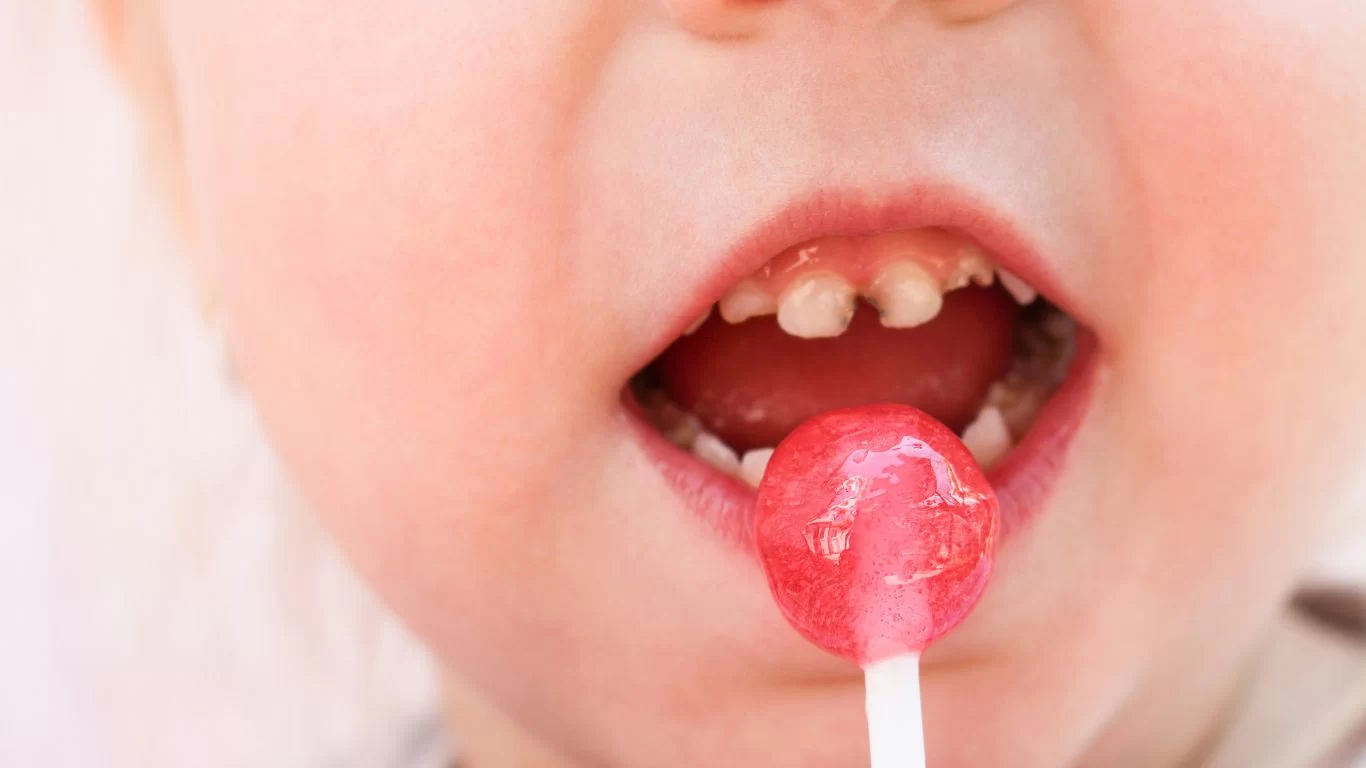
How to Prevent Early Childhood Cavities: Essential Tips for Parents
- Understanding Early Childhood Cavities
- Key Prevention Tips for Parents
- Good Dental Habits for Kids
- When to See a Dentist for Your Child
1. Understanding Early Childhood Cavities
Early childhood cavities, often referred to as baby bottle tooth decay, are a common issue that can affect young children, especially those between the ages of 1 and 5. Cavities in baby teeth are caused by a combination of sugary foods and drinks, poor oral hygiene, and insufficient fluoride. When not treated early, cavities can lead to pain, infections, and issues with the development of permanent teeth. Understanding the causes and risks of cavities in children is the first step in preventing them.
2. Key Prevention Tips for Parents
Preventing early childhood cavities is achievable with some simple steps. Here are the key tips that every parent should follow:
- Limit Sugary Foods and Drinks: Avoid giving your child sugary drinks like fruit juice, soda, and sweetened milk. These can cause tooth decay, especially when consumed frequently or before bed. Instead, opt for water or milk.
- Don't Put Your Baby to Bed with a Bottle: Never put your baby to bed with a bottle containing milk, juice, or sweet liquids. This can result in prolonged exposure to sugar, which increases the risk of cavities.
- Brush Your Child’s Teeth Early: As soon as your child's first tooth appears, start brushing with a soft toothbrush and a tiny smear of fluoride toothpaste. Begin this habit early to set the foundation for lifelong good oral hygiene.
- Use Fluoride: Fluoride is essential in preventing tooth decay. Ensure your child has access to fluoride through toothpaste, fluoride treatments at the dentist, or fluoridated water.
By following these preventive tips, you can significantly reduce the likelihood of cavities in your child's early years.
3. Good Dental Habits for Kids
Building good dental habits from an early age is crucial for cavity prevention. Here’s how to instill these habits in your child:
- Brush Twice a Day: Encourage your child to brush their teeth twice a day—once in the morning and once before bed. Make it a fun and routine part of their day so they begin to see it as normal.
- Floss Regularly: As your child gets older and their teeth start to touch, begin teaching them how to floss. Flossing helps remove food particles and plaque between the teeth that a toothbrush may miss.
- Regular Dental Checkups: Schedule regular dental visits, starting at age one or within six months of their first tooth appearing. Regular checkups will help detect cavities early and teach children the importance of oral care.
Good dental hygiene habits will provide your child with a strong foundation for healthy teeth and gums throughout their lives.
4. When to See a Dentist for Your Child
It’s important to start regular dental visits early to prevent problems like cavities. Here’s when you should take your child to the dentist:
- First Dental Visit: Schedule your child’s first dental visit by their first birthday or within six months of their first tooth appearing. This allows the dentist to monitor your child’s oral health and address any concerns early.
- If You Notice Signs of Cavities: If you notice any signs of cavities, such as discolored or pitted teeth, or if your child is complaining of tooth pain, make an appointment immediately. Early detection is key to treating cavities effectively and preventing further damage.
- If You Have Concerns About Your Child’s Oral Hygiene: If you’re unsure about how to care for your child’s teeth or if they’re resistant to brushing, consult your dentist for tips and advice.
Early visits and regular dental care are essential in maintaining healthy teeth and preventing childhood cavities.
Taking these steps will not only prevent early childhood cavities but will also set your child on the path to a lifetime of good dental health. For more information about preventing cavities and maintaining your child’s dental health, visit Dentistry Toothtruth.






 Metro Smiles Gage Park2.0 (36 review)
 Dr. Kwon Pediatric Dentistry Sedation Center4.0 (133 review)
 Rich Orthodontics -Willow Grove3.0 (39 review)
 Southside Community Health Services4.0 (186 review)
 Gentle Dental Avondale4.0 (208 review)
 Central Carolina Oral & Maxillofacial Surgery5.0 (51 review)
 The Importance of Oral Health Education During Pregnancy for a Healthy Pregnancy
 Best Tips for Brushing Your Teeth Properly for Healthy Gums: Essential Techniques for Oral Health
 Why Skipping Dental Checkups Can Lead to Bigger Oral Health Problems
 Advantages of Porcelain Dental Restorations
 How Can Diabetes Cause Tooth and Gum Problems? Preventing and Managing Oral Health Issues
 Healthy Habits for Promoting Good Oral Health and Hygiene: Tips for a Healthy Smile